
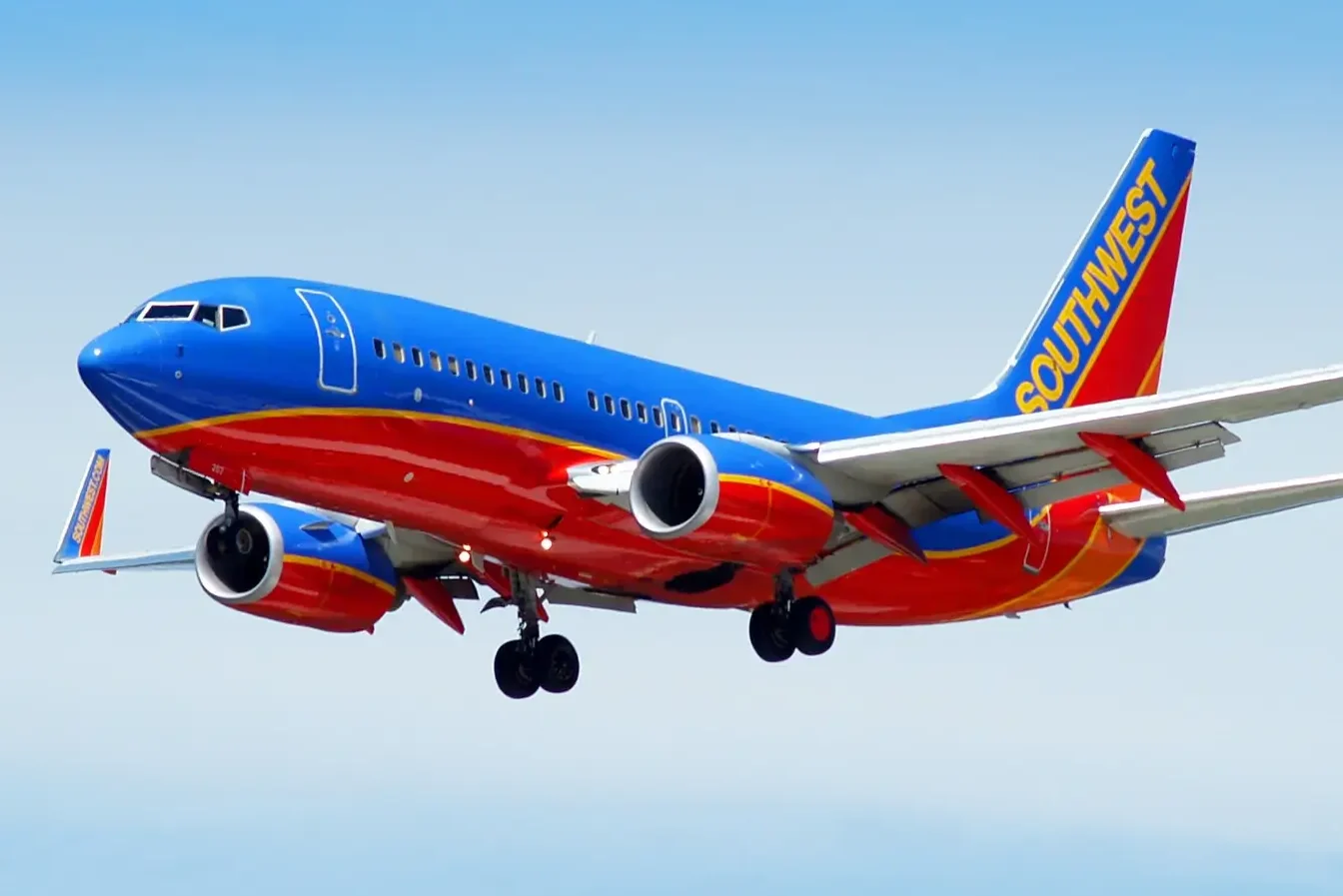
Southwest has confirmed its intent to continue reducing its reliance on ageing Boeing 737NG aircraft types for the remainder of 2025.
Based on confirmation from Tom Doxey, the airline’s Executive Vice President and CFO, during a recent quarterly earnings call and published transcripts, the intent to continue reducing its 737NG commitment was clear.
Southwest forecasts that by the end of 2025, it will remove up to 50 of the 737NG planes across its fleet as they make way for the delivery of the more efficient and natural replacement, 737 MAX.
The confirmation of 50 aircraft being shipped off also follows the news in late April that ongoing renewal efforts saw the retirement of 14 aircraft from the 737 family during the first quarter of 2025.
Those retirements aligned with the necessary capacity cuts will take effect in the second half of 2025 as Southwest experiences lower demand than initially anticipated.
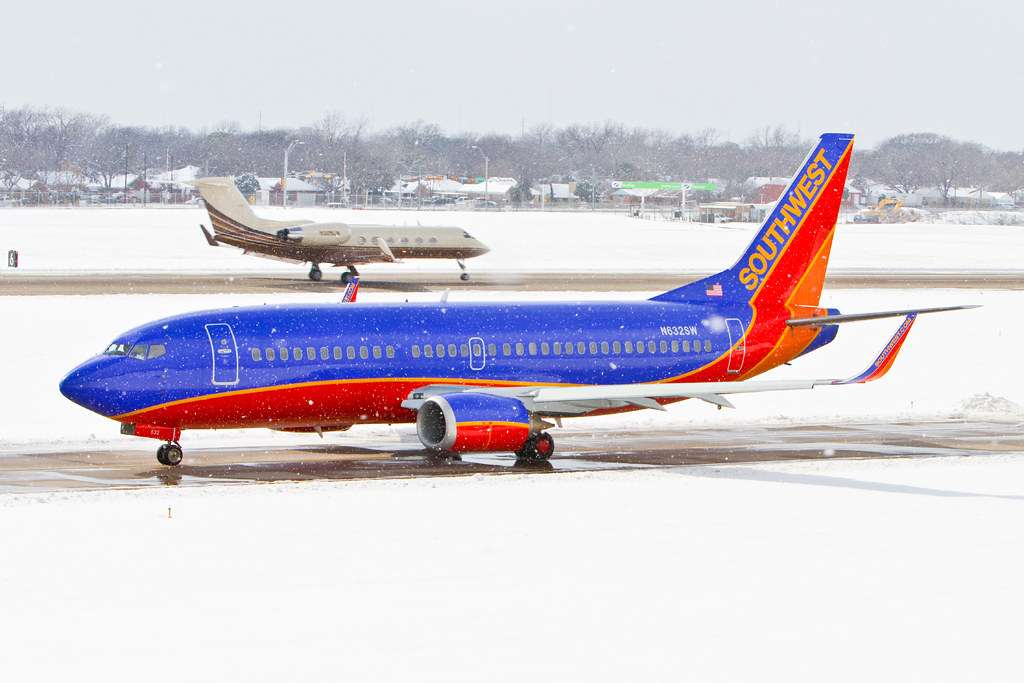
Renewal across the business is hugely important; however, achieving those targets has proved more challenging than initially anticipated, as supply chain woes have affected Boeing, among many other issues.
With Southwest solely relying on Boeing and the 737 MAX to fuel its future fleet, when variants expected to be delivered remain undelivered and output rates remain capped, it means overall annual delivery forecasts are down year after year.
Southwest Grows 737 MAX Commitment
However, with the retirement of beloved aircraft and the slowed transition towards next-generation MAX aircraft, it is not all doom and gloom.
Southwest is increasing its commitment to the 737 MAX, away from fleet retirement and other struggles in taking delivery of the next-generation Boeing planes.
As part of the latest confirmation arriving during the first quarter of 2025, the U.S. carrier confirmed it had turned nine options for the smallest 737-7 into firm commitments.
The confirmation is a vote of confidence in an aircraft type that remains uncertified, with a timeline for approval now seemingly non-existent.
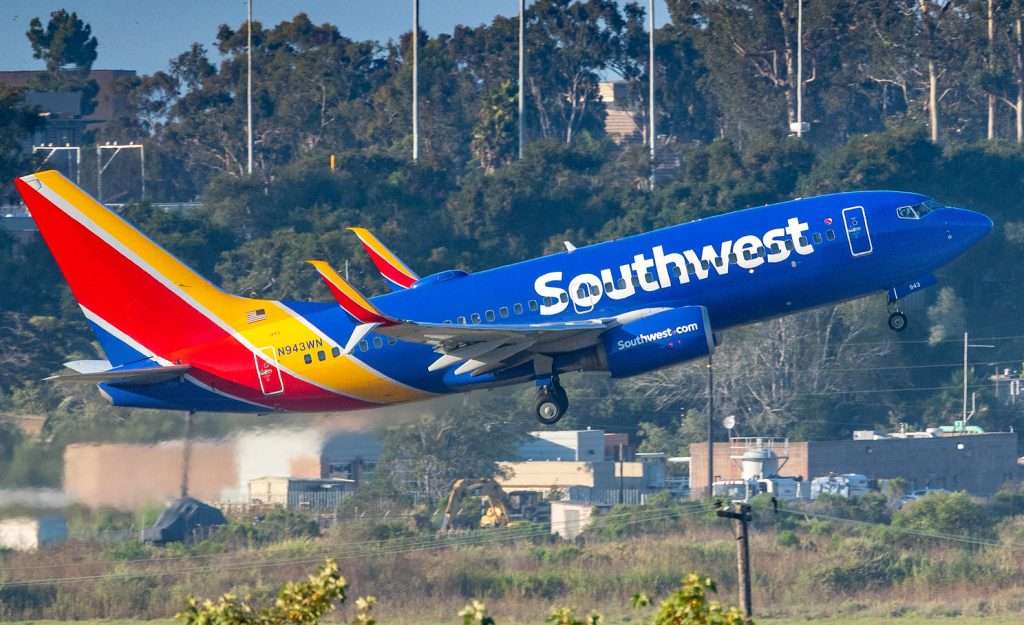
Southwest has over 300 firm orders for the 737-7. The -7 model is the smallest in the series but is an optimal replacement for the carrier’s existing 737NG’s.
Almost 200 options remain in the initial contracts signed that can be firmed up for Southwest; however, its ability to get the planes it desires on time has become one of the more challenging occurrences.
Delivery forecasting is expected to be wildly inaccurate across 2025 as Boeing cannot meet the figures that may have initially been expected.
As a result, Southwest has to slow renewal and growth, just like many other carriers. This is arguably felt more for the U.S. carrier because it relies on one aircraft family: the 737.
There are obvious benefits to putting all your eggs in one basket with strong commonality. However, obstacles can arise, and given Boeing’s last five-plus years, Southwest has been front and centre to see the adversity take over its beloved aircraft supplier and then onto itself as an airline facing the effects, too.

ABOUT THE AUTHOR
Daniel Fowkes is a Melbourne-based aviation analyst and journalist with over a decade of industry experience. As founder of Dj’s Aviation, he delivers trusted analysis on aircraft, airline strategy and global aviation trends for djsaviation.net
Related Articles




Stay Informed
Get the latest aviation news, analysis and route updates delivered to your inbox.
We respect your privacy. Unsubscribe at any time.
Enjoyed this story?
Make us your go-to for aviation news
Add us as a preferred source on Google and see our latest stories first in Top Stories.
Add Us On Your News Feed