

Garuda Indonesia faces aircraft groundings, impacting its ability to operate a routine schedule.
But why is the airline seeing planes parked? Is this a short-term problem, or will it affect them for a while longer?
The Groundings
Across the Garuda Indonesia Group, aircraft groundings persist. Whether this is for the mainline brand or Citilink, it remains a challenge that needs to be overcome.
Fleet data at Garuda Indonesia shows that 17 aircraft are parked, with 64 units listed as active. The bulk of the parking comes from the airline’s commitment to the A330 family.
Unfortunately for the airline, the reliance on the Airbus A330 is quite strong. This widebody family is seen at markets around the world and close to home, and the capacity is a huge positive.
Based on the data published May 10, 2025, seven of the carrier’s A330-300s are listed as parked, backed up by two A330-900s and two previous-generation A330-200s.

Unfortunately, while aircraft remain on the ground for the mainline division, things across the group get far worse when examining Citilink’s current struggles.
Citilink, also part of the Garuda Indonesia family, has almost more aircraft parked than active. Fleet data shows 28 units are listed as parked, primarily drawn from the A320 family, where six A320neos are parked and 15 of the A320-200s remain inactive.
All in all, group-wide, there are a huge number of planes on the ground, far more than the group would want, and no doubt it is affecting its ability to operate normally.
Why Is This Happening At Garuda?
Aircraft groundings will not be uncommon in 2025, especially as supply chain problems continue to be a theme across the industry, whether related to manufacturers or engine providers.
However, for Garuda Indonesia, their grounding centres are more so by reporting from Bloomberg around the necessary maintenance, which is becoming harder due to the required payments.
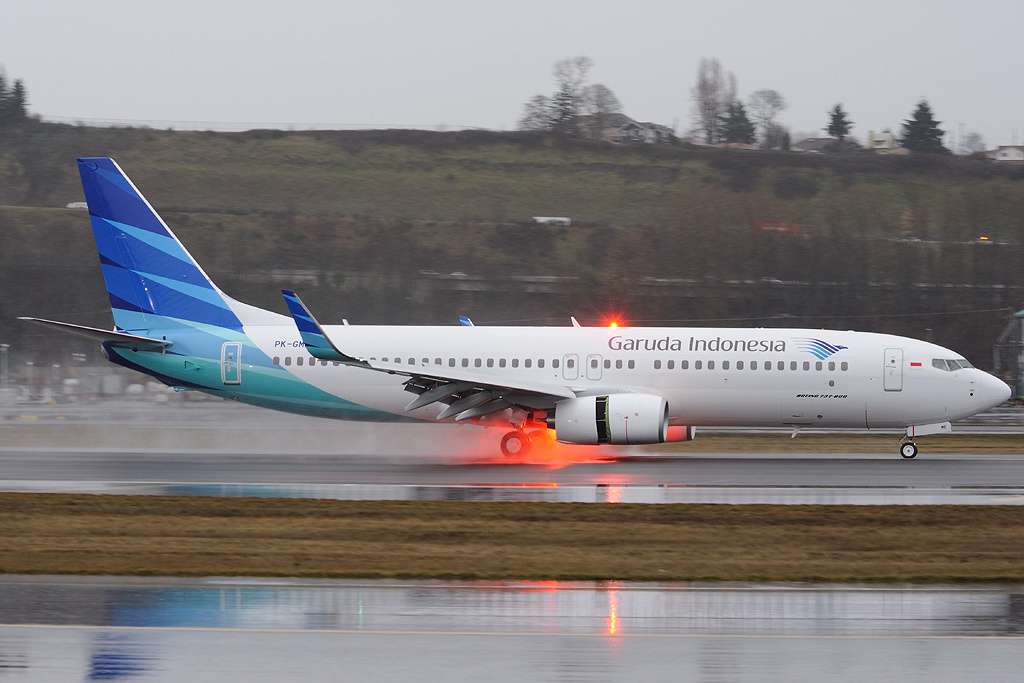
As financial concerns have been a prevalent problem for the airline in recent times and turnaround initiatives have been put in place, some remain sceptical about the trajectory the carrier is headed.
To cope with the struggles, forward payments are now being required by those conducting the maintenance to ensure they have the funds from Garuda Indonesia for labour and parts to get the planes back in working order.
What’s Next For Garuda Indonesia?
The next few months are going to be fascinating for Garuda Indonesia. Additionally, the carrier must find ways to mitigate some of the struggles in maintaining its fleet.
The Asian industry sector remains highly competitive, and airlines continue to find ways to outperform each other on their route maps and in specific locations.
The reality remains that if Garuda Indonesia does not have the required capacity available because planes are on the ground, it will struggle to commit to increasing its flying.
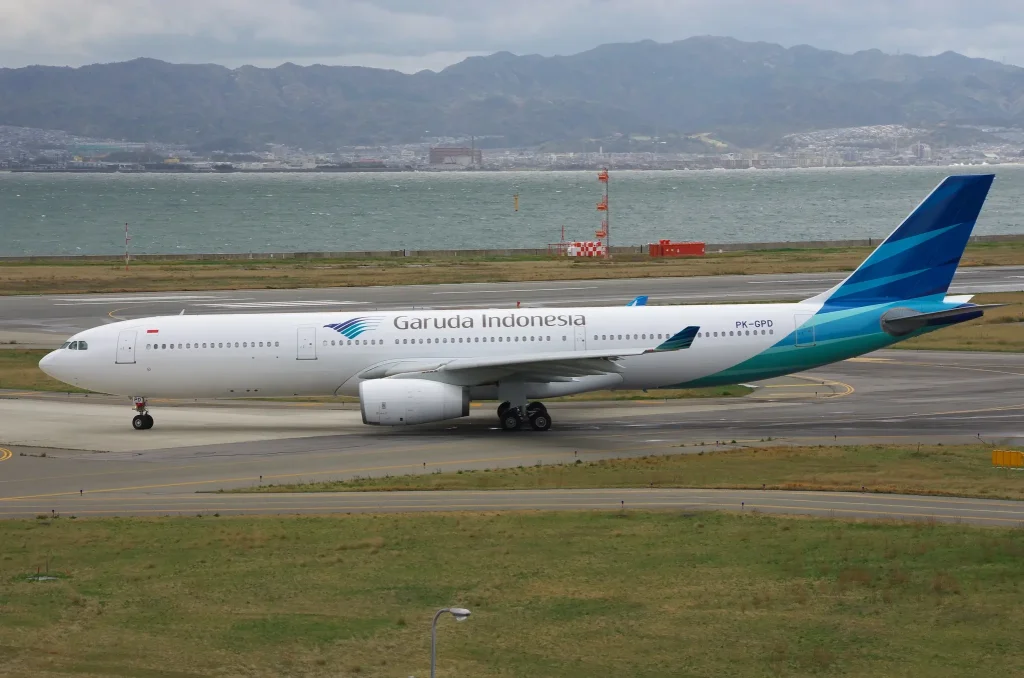
As a result, the possibility of continuing to lose market share and test its customer base’s patience because of cancelled flights will be closely watched in the future.
In an ideal world, Garuda Indonesia continues looking towards the future but equally places importance on ensuring its finances are in a stronger position to avoid situations such as what’s occurring now with payments related to maintaining the fleet.

ABOUT THE AUTHOR
Daniel Fowkes is a Melbourne-based aviation analyst and journalist with over a decade of industry experience. As founder of Dj’s Aviation, he delivers trusted analysis on aircraft, airline strategy and global aviation trends for djsaviation.net
Related Articles




Stay Informed
Get the latest aviation news, analysis and route updates delivered to your inbox.
We respect your privacy. Unsubscribe at any time.
Enjoyed this story?
Make us your go-to for aviation news
Add us as a preferred source on Google and see our latest stories first in Top Stories.
Add Us On Your News Feed