

China has informed all its airlines to stop taking delivery of new commercial airplanes from American planemaker, Boeing.
The newest report shows that the long-standing trade war between China and the United States is only worsening, as the ban on new commercial aircraft deliveries is crucial for the industry’s future.
Tensions between China and Boeing have been long-standing; however, arguably, those tensions have escalated since the beginning of 2025 with the persistent threat of tariffs since an administration change.
The impact on China has come in the form of the United States constantly threatening significant tariffs and looking to raise these substantially each week to threaten the country.
According to Bloomberg sources, China is reatliaiting with the country and is no longer willing to take on any Boeing deliveries for airlines requiring these planes.
The major retaliation act will see any new planes built and prepped for delivery, any aircraft in production or expected to enter production, and any progress halted as their final delivery remains in limbo.

This impacts the Chinese carriers that rely on these next-generation Boeing planes for their renewal and growth, which are quite a few; however, it is deemed necessary to cause harm and stand up to the tensions.
Boeing’s inability to deliver planes to Chinese operators will hurt its output rate. However, if the problem persists, it will force it to send these aircraft, once destined for Chinese carriers, elsewhere, which wouldn’t be the first time in its history.
China Follows Juneyao Airlines’ Ban On Boeing
China’s order to their operators comes days after Juneyao Airlines confirmed it would refuse to take on a new 787 Dreamliner destined for its business.
According to sources, reports suggested that Juneyao Airlines had decided to delay the acquisition of Boeing widebody aircraft. Broader reporting firmly supports this, implying China is banning the American planemaker.

Additional costs incurred in delivering planes from the United States have forced the Chinese carrier to reassess its options and delay acquisition efforts.
The 787 is crucial to Juneyao Airlines’ operation, representing the only widebody aircraft in their fleet. For the airline not to take delivery of an expected additional unit, retaliation is deemed internally as crucial.
Juneyao Airlines only has nine units part of the 787 family, all for the 787-9 with the high-capaciy enabling long-haul international service to markets that require capacity.
Is This Isolated To Boeing & China?
While China formally reacts to the ongoing political tensions between the United States and itself, other markets are also under close watch.
Boeing’s competitor, Airbus, has suggested that it would not hesitate to prioritise other global airlines away from the United States if tariffs resulted in additional costs for the planemaker to send new aircraft to the country.
These comments were then responded to by U.S. carrier Delta, who confirmed that they would also not take delivery of Airbus aircraft if additional costs were incurred.
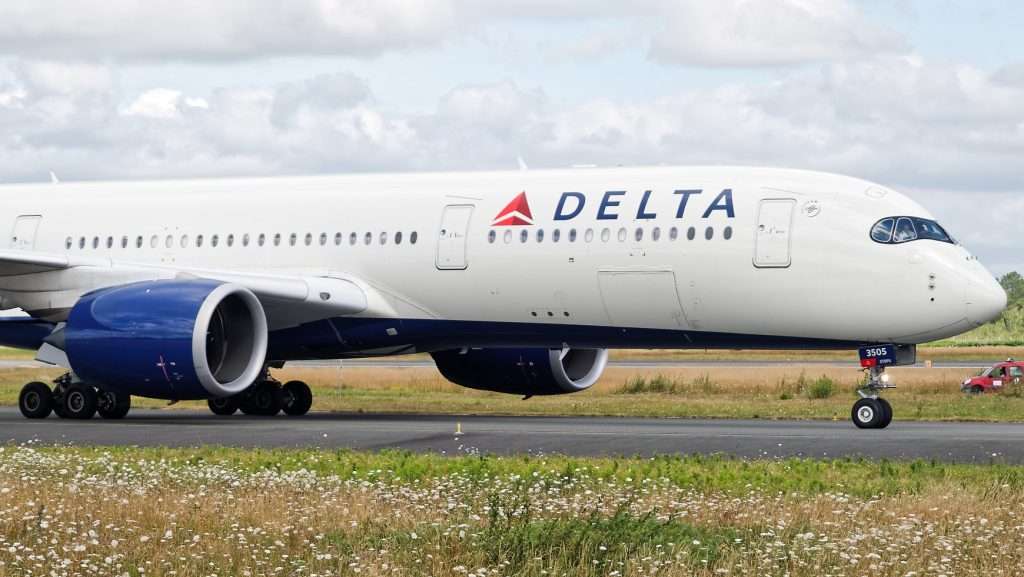
The company cannot justify the additional costs imposed on taking delivery of new commercial airplanes from Airbus. It would thus look to defer the delivery of the jets for an extended period until tensions ease.
While China is confirming its retaliation against Boeing, this is not isolated to just one industry sector, as other markets react to tariffs and political unease across multiple locations, primarily stemming from the United States.
What this means for the aviation industry remains unknown. Still, suppose new commercial aeroplane deliveries begin being banned in specific locations. In that case, this will hurt Boeing further and the airlines that need these planes for their long-term renewal, growth, capacity and more.

ABOUT THE AUTHOR
Daniel Fowkes is a Melbourne-based aviation analyst and journalist with over a decade of industry experience. As founder of Dj’s Aviation, he delivers trusted analysis on aircraft, airline strategy and global aviation trends for djsaviation.net
Related Articles




Stay Informed
Get the latest aviation news, analysis and route updates delivered to your inbox.
We respect your privacy. Unsubscribe at any time.
Enjoyed this story?
Make us your go-to for aviation news
Add us as a preferred source on Google and see our latest stories first in Top Stories.
Add Us On Your News Feed