

Virgin Atlantic is adjusting its route network by axing flights to multiple U.S. destinations.
One of the airline’s biggest decisions is to reduce its flying towards markets such as New York John F. Kennedy International Airport from the winter season 2025/26.
The scaling back of flights will see four flights per day instead of the typical five. Meanwhile, service adjustments will also occur on the West Coast, with Seattle seeing daily flights axed in favour of four flights per week instead.
Virgin Atlantic is still heavily committed to the U.S. sector, and the importance of this market cannot be understated; however, changes must be made.
The U.K.-based carrier cites the ongoing trade tensions with the United States, which have seen transatlantic bookings drop to specific destinations in the future. As a result, the company is reacting with necessary measures.
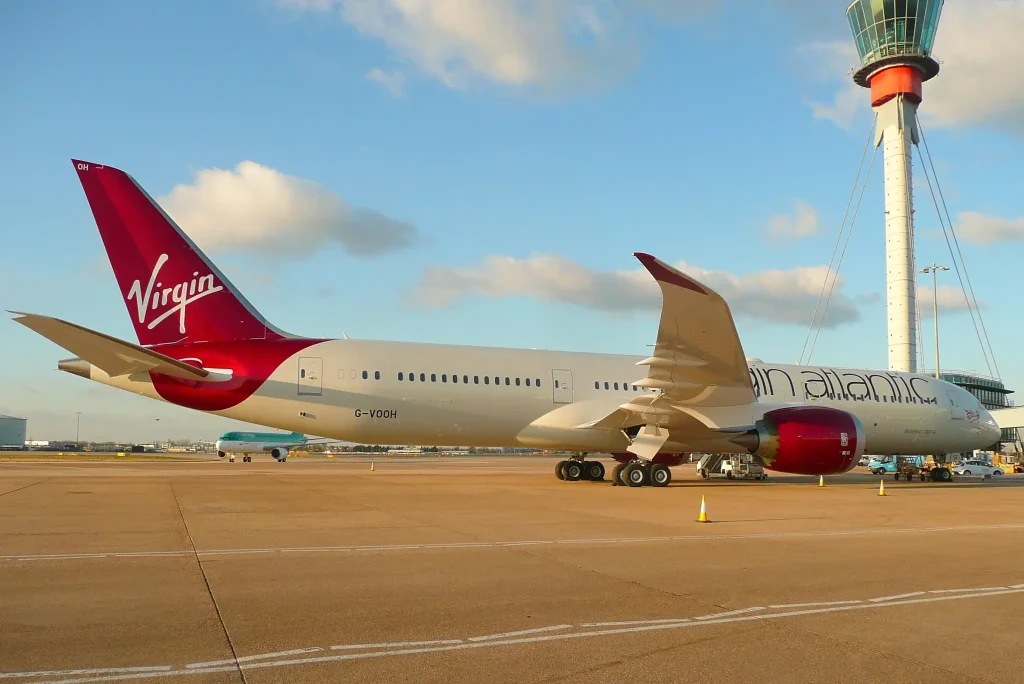
While some cities will see services axed, this doesn’t mean the airline is leaving the United States altogether or redeploying its aircraft to other global destinations.
Virgin Atlantic is expected to increase weekly flights to Orlando and San Francisco. These measures are being undertaken in response to where demand is the strongest.
Virgin Atlantic needs to ensure that it operates efficiently, which will enable it to achieve the best possible results across the board.
Virgin Atlantic Confirms Changes In U.S. Demand
However, the adjustments being made to Virgin Atlantic’s route network hardly come as a shock based on the carrier’s guidance, which was provided only last week.
During the airline’s publishing of 2024 results, which indicated a first profit since the COVID-19 pandemic, the carrier warned of dropping demand to several destinations in the United States.
Moreover, while summer bookings remained steady, they were down quite significantly year over year. The same feeling was happening with the northern winter schedule, set to commence from late October through March 2026.
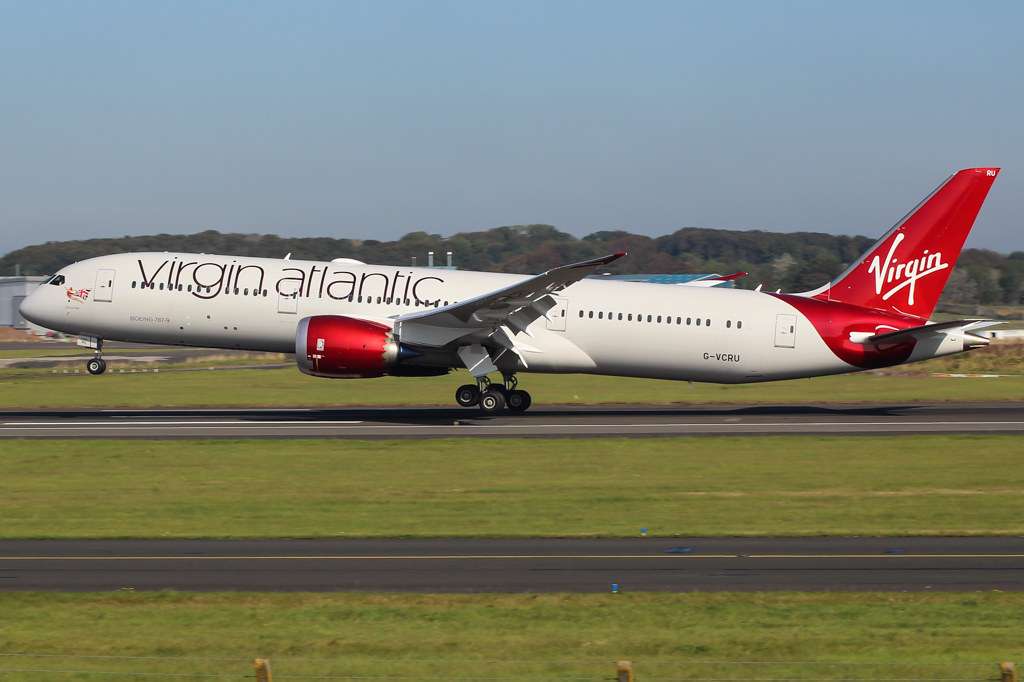
Virgin Atlantic’s U.S. market remains one of its most important; however, that doesn’t mean changes willn’t be made where necessary to ensure that efficient operations can continue.
With so much tension towards the United States due to the political landscape, the threat of tariffs among more bookings has dropped considerably for most airlines.
Weakening demand now forces these businesses to adjust their schedules, which can provide opportunities for other markets to experience increased service, even temporarily.

ABOUT THE AUTHOR
Daniel Fowkes is a Melbourne-based aviation analyst and journalist with over a decade of industry experience. As founder of Dj’s Aviation, he delivers trusted analysis on aircraft, airline strategy and global aviation trends for djsaviation.net
Related Articles




Stay Informed
Get the latest aviation news, analysis and route updates delivered to your inbox.
We respect your privacy. Unsubscribe at any time.
Enjoyed this story?
Make us your go-to for aviation news
Add us as a preferred source on Google and see our latest stories first in Top Stories.
Add Us On Your News FeedRelated articles
· Airlines
Allegiant Air Buys Six More 737-8s From Boeing
Daniel Fowkes
26/10/2026
· Airlines
Emirates vs Qatar Airways: The Gulf Superhub Rivalry Compared
Bryan Shelmon
26/10/2026
· Airlines
Riyadh Air Is Moving Away From Riyadh
Daniel Fowkes
26/10/2026
· Airlines
Emirates Isn’t Worried At All
Daniel Fowkes
25/10/2026