

Boeing is a leading aerospace manufacturer positioned to provide solutions to airlines seeking new aircraft, from single-aisle jets to widebodies.
However, the last few years have presented their fair share of problems. In 2025, what problems remain affecting the American planemaker, and can they be overcome?
777X Certification
One of Boeing’s most significant challenges has been in the certification of upcoming aircraft, notably visible through the delayed entry into service of the flagship 777X series.
The 777X was launched in 2013, pitted as a competitor to the A350 and an answer to the eventually ageing classic 777, which launched in the 1990s.
However, despite being launched 12 years ago, the plane remains five years overdue, not certified, not nearing approval, and has failed to see a delivery take place. As a result, customers’ frustrations have increased tenfold, presenting Boeing with its challenges.

As the planemaker has been unable to certify the series, further issues have been highlighted about their ability to stick to timelines, not have quality concerns emerge, and much more. All in all, this has threatened their market share and ability to secure prospective aircraft orders.
Where the 777X has been incapable of being approved and is a proven jet for airlines, its direct rival, the A350, has been enjoying years of operation, better availability, and a proven model that works, putting Boeing at risk of losing valuable market share.
Production Output Caps
Another impact of Boeing’s recent struggles to sustain quality has been its production rates, which have dropped considerably over recent years.
Production rates have dropped, and therefore so have deliveries. All this has occurred while backlogs have continued growing, and as a result, there have been considerable delays in delivering planes to customers.
Primarily centred around the 737 MAX, airlines have been incapable of taking the single-aisle jet on time. The FAA, the governing regulator, has increased its oversight of the plane maker tenfold, and because of this, it has reduced the plane makers’ monthly output.

Unfortunately, the FAA has also confirmed their insight into the airline will continue throughout 2025 with the grip not being eased. As a result, Boeing cannot increase production on the MAX and cannot work through its backlog quickly enough.
Some airlines have expressed their frustrations but equal understanding. These airlines have their hands tied as the situation concerning the availability of aircraft and delivery is decided by the FAA and when they allow the plane maker to increase their production rates.
Boeing’s Loss Of Trust
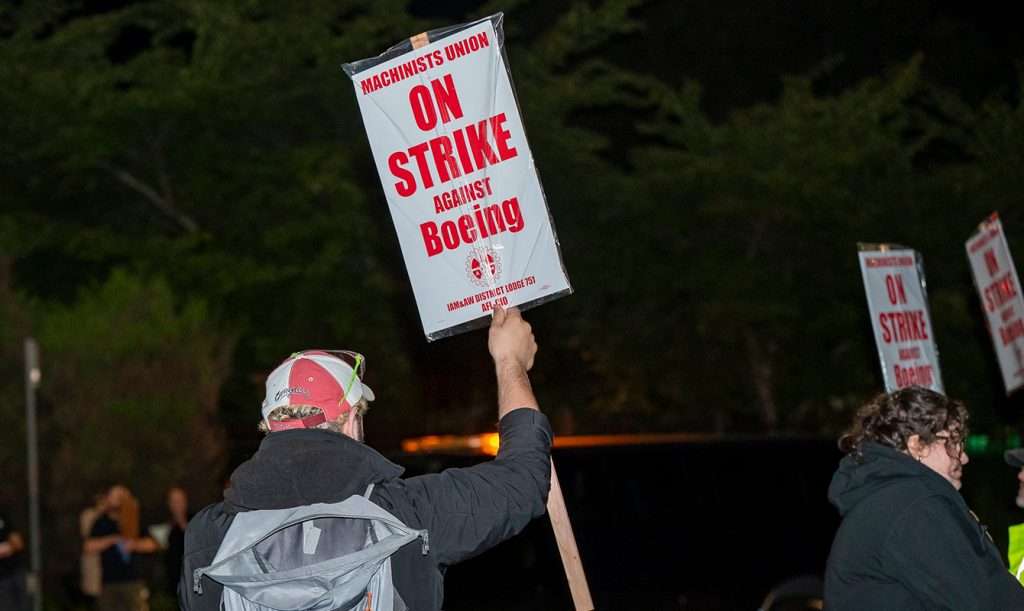
Another significant concern for Boeing is its loss of trust in key stakeholders. This loss of confidence has accumulated over many years, with poor decisions being made internally.
From the standpoint of the general public and once backers of the planemaker, much of the confidence in the Boeing product has been decimated. When the manufacturer is publicly mentioned, the general feedback is negative; once, it was pride.
Moreover, many employee groups have come out internally over the last decade and expressed frustration with the company’s state and lack of trust in upper management.
Unfortunately, for all these key stakeholders and even airline customers that have expressed their doubts, Boeing has an uphill battle to climb. Certain parties believe the planemaker is making good progress in turning around its efforts, but the response can’t be overnight.
In the past, the planemaker was said to have been improving and making the right choices. However, all that so-called progress unravelled at the beginning of 2024 when a door blowout unveiled fresh concerns with the manufacturer and the actual lack of progress that was made.
Now, Boeing is seemingly starting from scratch again and making necessary investments, but more importantly, it is taking its time. While trust will be hard to rebuild, this slowed approach is important for the business’s long-term health.
737 MAX Certification Woes
While much talk on certification has been around the upcoming flagship, the 777X, the reality remains that this isn’t the only aircraft that hasn’t been certified. Two variants in the MAX family have yet to be approved.
The 737-7 and the 737-10 have yet to receive certification. Similarly, their timelines for expected approval have only continued to balloon to the point where, now in 2025, the jets are still not approved to complete scheduled passenger flights.
These two variants, especially the high-capacity 737-10, will play an essential role for many airlines worldwide, given the lack of Boeing’s middle-of-the-market airline. For carriers who do not believe the 787-8 is the answer for NMA flying and want to stick with Boeing, the 737-10 is the only available option.
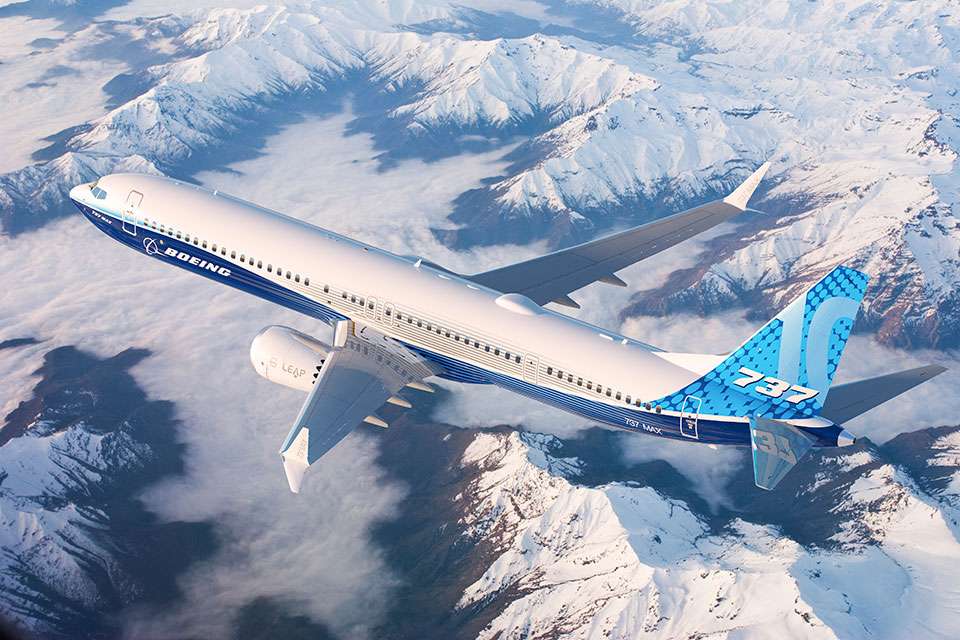
However, with so many delays in getting these variants approved, airlines have been forced to adjust their order books heavily. Some airlines require capacity immediately, and with MAX deliveries being delayed, they’ve forgone the capacity increases of the 737-10 for already certified units to ensure they can remain competitive.
Airlines making harsh decisions such as these shouldn’t have to happen. Still, they are a harsh reality of the situation unfolding for the American planemaker, and there is such uncertainty about when these two aircraft will be certified.
To Conclude
Boeing faces an uphill battle to turn around its fortunes and navigate the many problems that plague it as a business.
Honourable mentions include the company’s financial position and its battle with Airbus to become the next commercial airliner and not lose further ground.
All these matters and the many mentioned above will be essential to work through in the coming years to ensure it has a chance of long-term success and to close the gap between itself and Airbus if it stands any chance of regaining the title of the largest and most succesful planemaker in the world on an annual basis.

ABOUT THE AUTHOR
Daniel Fowkes is a Melbourne-based aviation analyst and journalist with over a decade of industry experience. As founder of Dj’s Aviation, he delivers trusted analysis on aircraft, airline strategy and global aviation trends for djsaviation.net
Leave a Reply
Related Articles




Stay Informed
Get the latest aviation news, analysis and route updates delivered to your inbox.
We respect your privacy. Unsubscribe at any time.
Enjoyed this story?
Make us your go-to for aviation news
Add us as a preferred source on Google and see our latest stories first in Top Stories.
Add Us On Your News Feed
Very sad