

The A350F is to be Airbus’ genuine next-generation freighter aimed at competing with Boeing and taking market share away.
Announced in the last several years, the aircraft was expected to be inching closer to its debut, but fresh delays have prevented this from going as planned.
What’s been happening with the A350F? Why does it have problems, and how are customers responding to this?
Airbus Production Woes
One of the industry’s most significant battles is supply chains. These supply chains have been shattered from airlines to aircraft manufacturers, and keeping up with demand has become problematic.
Airbus planned to continue increasing output rates to meet demand for the broader A350 family, enabling the debut of the A350F.
If executed, Airbus also expected that the increase in production would improve finances and overall performance daily, a positive step in the right direction.
However, these long-planned increases will not be possible due to the complexities of supply chains. Airbus has stated that its production rates for the passenger series will likely remain around six per month throughout 2025.

Despite these supply chain complications, the planemaker believes it still should be able to work through its backlog and has long-term goals of achieving 12 units per month by 2028.
Aside from the freighter, but ultimately playing a role in why the A350F has struggled to debut, Airbus has posed challenges in acquiring borderline basics such as seating and pushing back the production of units for airlines.
On a more severe scale, Airbus has noted several times that fuselage parts have been delivered late from Spirit AeroSystems. While this affects the aircraft in production, it also has a knock-on effect on other upcoming units that need to enter production halls.
That knock-on effect is felt with the A350F, part of the broader series, and the impact is felt without being certified or adequately produced.
Airbus Delays The A350F
The battle to get the A350 into a stable production environment forced Airbus to confirm that its upcoming game-changing A350 Freighter would be delayed to the second half of 2027 at the earliest.
Following reporting exclusively led by Reuters, there was speculation surrounding the A350F delay, which was to be confirmed.
Airbus previously outlined 2026 as the expected first delivery of the A350F and even targeted a first flight sometime in the backend of 2025.
However, as time progressed and revisions were made to the passenger program, it was deemed internally that the targets outlined would not be possible for the freighter series.
Ultimately, this is often the case; if the passenger series has complexities, those effects are thrown down to the freighter, with solving the passenger unit’s problems paramount before any further progression is made.
The A350F has already amassed over 50 orders. Furthermore, many more customers are currently weighing their options and whether the A350-1000F will be the desired choice.
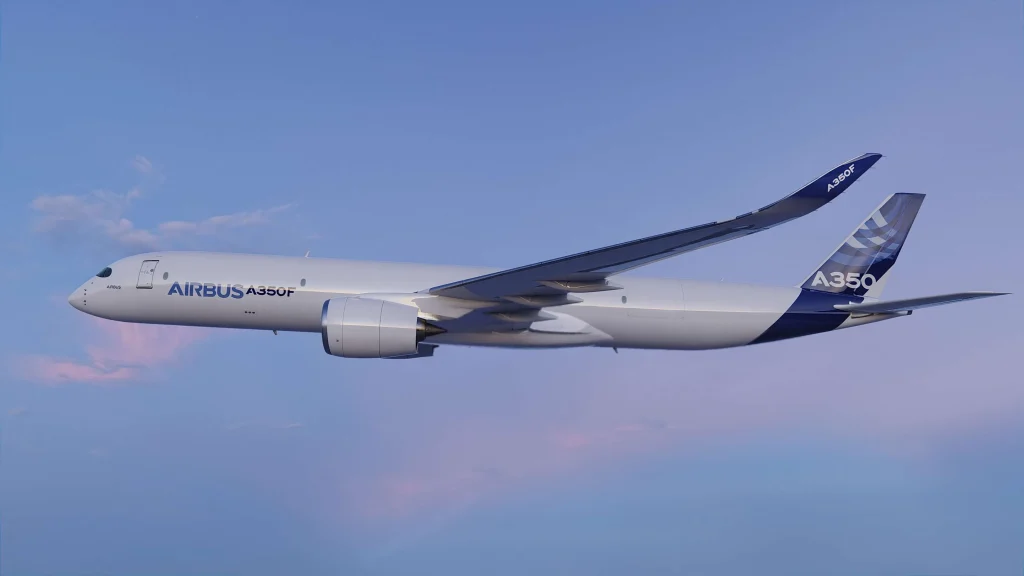
Therefore, while the program is experiencing fresh delays and the unit is experiencing problems spurred on by challenges across the A350, Airbus remains confident that the jet, once it enters service, will be a true game changer, especially as delays in aircraft launches are not uncommon.
Customer Reaction
Customers’ responses to the A350F delay have been mixed, with some coming out publicly and others not yet; however, the delay didn’t necessarily come as a shock.
In mid-2024, Air France-KLM, a customer of the upcoming A350 Freighter, confirmed that their first delivery in 2026 would be delayed until early 2027. This early move indicated that a program delay could be expected.
However, the airline group would take it one step further by confirming it would reduce the number of orders held for the A350F. This move is in direct response to the program’s delay.
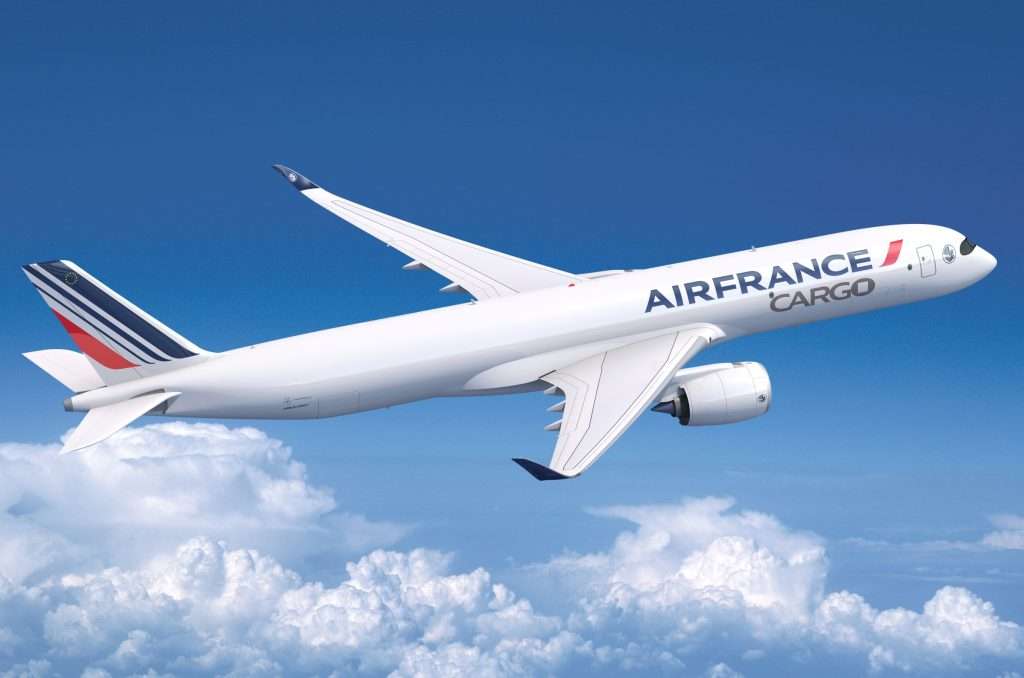
The Group confirmed it’ll now take just six freighters from Airbus instead of the previously arranged eight. The two units missing will be swapped for the passenger A350-900 version.
As for the split of these aircraft, the Group confirmed that three units will be destined for Air France’s cargo division, and the other three will be flown by closely tied to KLM Martinair, who are looking to overhaul their freight fleet.
Air France-KLM considers six units a well-rounded number that evenly splits the commitment to the jet, with three units destined for different freight brands within the Group.
Customers’ reactions to program delays will always vary. Some will understand the delays, whereas others will be more vocal about their frustrations with the planemaker.
Those frustrations can lead to order cancellations or shifts if customers’ confidence in the product drops or the delivery timeframes shift, making it no longer feasible to enter the airline business.
Meanwhile, in other cases, airlines can leverage their frustrations to secure better terms for prospective orders, making it hard to judge the validity of the claims.

ABOUT THE AUTHOR
Daniel Fowkes is a Melbourne-based aviation analyst and journalist with over a decade of industry experience. As founder of Dj’s Aviation, he delivers trusted analysis on aircraft, airline strategy and global aviation trends for djsaviation.net
Related Articles




Stay Informed
Get the latest aviation news, analysis and route updates delivered to your inbox.
We respect your privacy. Unsubscribe at any time.
Enjoyed this story?
Make us your go-to for aviation news
Add us as a preferred source on Google and see our latest stories first in Top Stories.
Add Us On Your News Feed