

Scoot, Singapore Airlines low-cost division is battling engine reliability woes across its A320 family series.
Speaking with local media, the airline’s Chief Executive Officer, Leslie Thng, discussed the impact the groundings are having on the situation with its fleet.
Scoot has all six of its Airbus A320neos grounded, which impacts its performance and puts more pressure on its day-to-day flying schedule as it looks to limit operational impacts.
These engine woes, spurred on by the supply chain crisis that continues to plague various engine types and aircraft around the world, have caused Scoot to rethink how it operates its current fleet.
Now, Scoot has confirmed that it’s looking to extend the lease agreements for some of the older A320ceo jets, which have been drafted in to complement the new engine model but also substantially aid capacity loss from these next-generation jets.
While it battles the Pratt & Whitney engine woes, the older A320ceo will take on the brunt of the workload to help manage capacity and ensure that Scoot’s performance doesn’t suffer too much.
How airlines cope with grounding their next-generation planes driven by engine woes changes dramatically. The impact is typically less for those who can secure aircraft on short—to medium—term leases than for those who cannot, but the situation remains far from ideal.
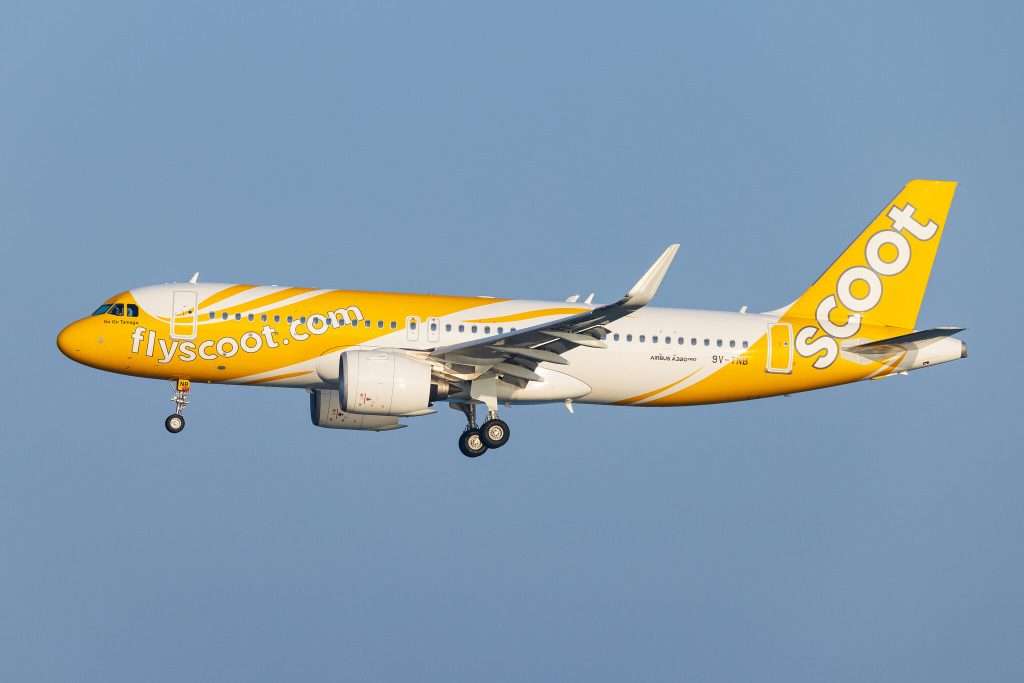
In more cases than one, it can also result in a reliance on older-generation aircraft, which prove to be more reliable but also equally less efficient. Therefore, the knock-on effect can be visible through financial reports, where the added costs of continuing with these older planes are felt.
Scoot One Of Many Airlines Hurting
Singapore-based Scoot has ultimately become the latest airline to publicly discuss the global engine crisis, which is affecting many different engine types.
Pratt & Whitney has been featured as one of the focal manufacturers of engines across the industry for its reliability woes and supply chain constraints.
Airbus single-aisle jets have been widely affected, ranging from the popular regional jet in the A220 upwards to the next-generation A320neo series.
Moreover, the widespread nature of the engine woes has been one of the more striking occurrences with no prisoners being let off the hook. The effects can be felt in Singapore, the United States, and New Zealand.
For airlines, the frustrations have been evident. However, there remains an understanding that not much can be done at this point other than to be patient and await things to smooth out with time.
Much of the frustration centres on the unknowns surrounding waiting time. Airlines have cited the lengthy maintenance, lack of spare parts, and general uncertainty from Pratt & Whitney about when woes will end as the biggest frustrations.
If airlines are incapable of receiving the crucial timeframes for when problems will end, forecasting elements such as fleet retirements, route launches, and more will be more challenging.

ABOUT THE AUTHOR
Daniel Fowkes is a Melbourne-based aviation analyst and journalist with over a decade of industry experience. As founder of Dj’s Aviation, he delivers trusted analysis on aircraft, airline strategy and global aviation trends for djsaviation.net
Related Articles




Stay Informed
Get the latest aviation news, analysis and route updates delivered to your inbox.
We respect your privacy. Unsubscribe at any time.
Enjoyed this story?
Make us your go-to for aviation news
Add us as a preferred source on Google and see our latest stories first in Top Stories.
Add Us On Your News Feed