
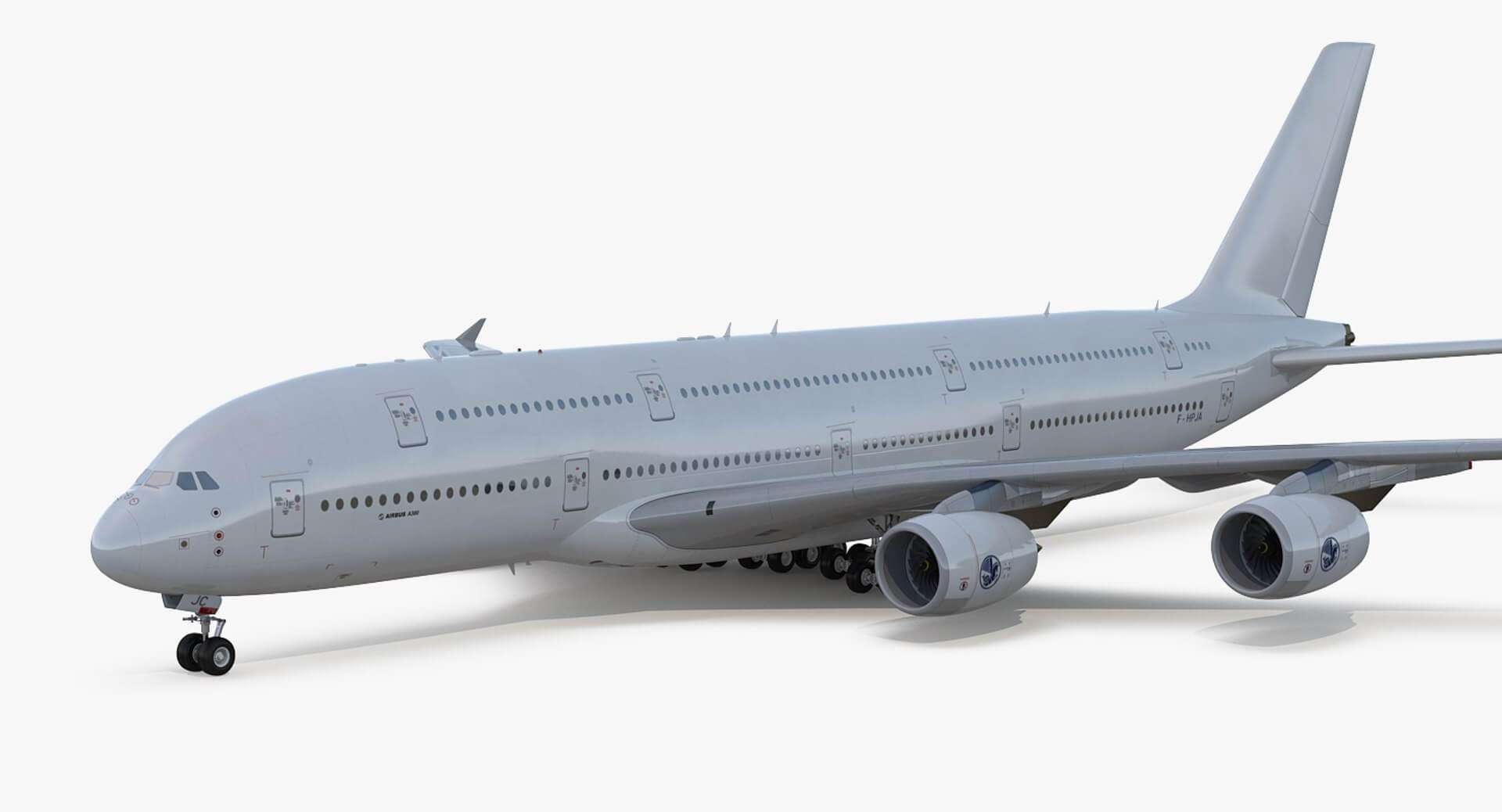
The Airbus A380neo and Boeing 747-8 represent two different prospective and realised widebody aircraft with similar ambitions to redefine long-haul flying. However, their outcomes would be very different but share similarities throughout the journey.
The A380neo acted as a conceptual upgrade to the A380-800 and was heavily pushed by Emirates in the late 2010s to respond to challenges with the original A380-800 inefficiencies.
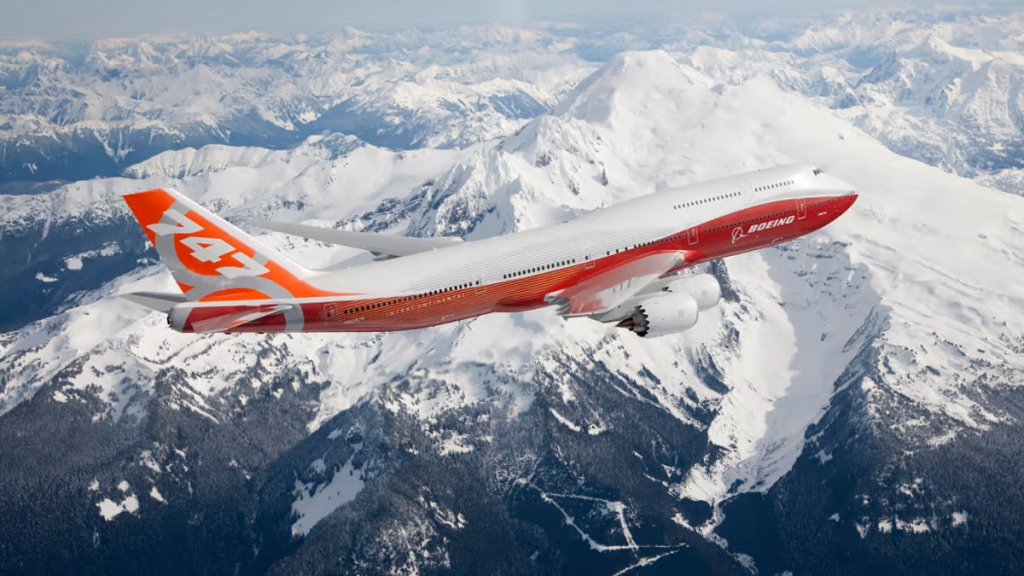
Meanwhile, the 747-8 officially launched and was Boeing’s final iteration of its iconic 747 series. The variant was designed to modernise the 747-400 with advancements that would compete with the A380-800.
While both aircraft aimed to redefine their market segments, despite even one launching, neither gained widespread acceptance across an industry dramatically changing.
Introducing The 747-8 & A380neo
The Boeing 747-8 aimed to leverage the legacy created through previous iterations to offer increased capacity and greater efficiency through improved fuel burn and other endeavours.
Released in two versions, the 747-8 saw its passenger variant aimed to serve as an important replacement option for airlines looking to offload existing 747s. However, a focus was also on combatting sales of the A380-800, which was emerging then.
Despite the seeming advantages to adopting such a plane, the 747-8 struggled to compete against twin-engine aircraft, which offer greater flexibility and, for most operators, also came with a far reduced risk.
Ultimately, just the three airlines would commit to the 747-8, with Lufthansa, Korean Air and Air China purchasing the passenger variant. While the 747-8F would see wider adoption, its success wasn’t as optimal.
Had the A380neo been developed, it would have built on the foundation of the A380-800, focusing on addressing the original model’s shortcomings, which arguably played just some of the role in this older variant’s struggles.
Emirates, the largest operator of the A380-800, was the only customer that proposed such a variant, seeing it as one that could include next-generation engines to improve fuel efficiency alongside other design tweaks.
These upgrades could have made the A380neo more viable for long-haul, high-capacity routes while helping replace existing A380-800s; at least, this is what Emirates believed, not with the manufacturer’s backing that was needed to produce the plane.
A Limited Market For These Planes
The limited appeal of the A380neo and 747-8 highlights a trend that has primarily plagued the industry regarding quad-engined aircraft.
That trend has seen airlines gradually shift from ultra-large aircraft that would once dominate the industry to more modest alternatives.
By the late 2010s, the market had undoubtedly evolved, with airlines focusing on point-to-point networks over the traditional hub-and-spoke model. While several airlines still rely on this hub and spoke model, they realise it can be done more efficiently now.
Twin-engine aircraft like the 777, A350, and 787 have emerged as the preferred choice for long-haul flying because they come with less risk, better efficiency, flexibility, and can operate in various markets.
To succeed, quad-engined jets require specific market conditions with high passenger demand between mega hubs. From the offing, this is a market that can, therefore, be tough to crack into.
For most airlines, the aircraft required to succeed in these markets are too expensive; however, worse still, the airlines in question will struggle to find a dedicated route that will see them reap the rewards of such a plane.
While Emirates remained committed to the A380 program, even its extensive love for the aircraft could not justify Airbus developing the A380neo without broader market support.
Similarly, Boeing struggled to attract customers for the 747-8 passenger variant even though, unlike the A380neo, this widebody was produced. This was the age that saw the quad-engined dominance come to an end.
But What Do Airlines Want Today?
The rise of twin-engine jets like the A350 and 787 has truly redefined the widebody scene, and for all the right reasons, although aviation enthusiasts may argue differently.
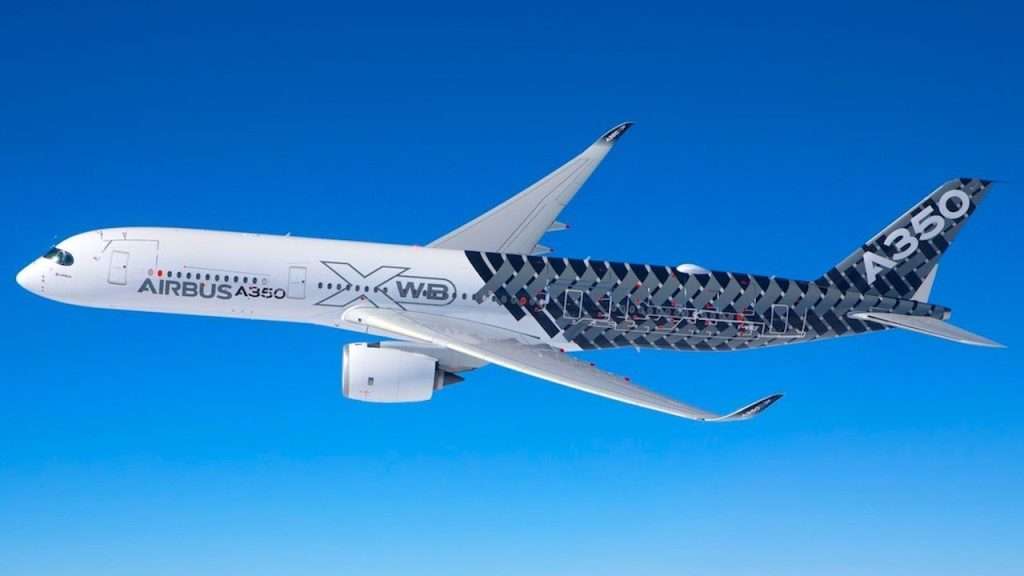
These aircraft offer the perfect balance of range, efficiency, and versatility. This allows airlines to serve many different routes of varying distances profitably.
Since conception, the A350 has received over 1,000 orders, just like the 787, which has also been a significant success. These models enable airlines to operate direct point-to-point flights.
The failure to launch the A380neo, paired with the failure of the 747-8 to secure orders, showed that such a market for the airline was no longer present.
Comparing The Two Planes Limited Success
While the A380neo never launched, comparing the A380-800 to the 747-8 regarding their adoption presents two very different outcomes but common themes of struggles throughout.
Moreover, their performance highlights how challenging it would have been for an A380neo to succeed despite interest from the largest customer in the Emirates.
The A380-800, despite its iconic status, saw limited success outside Emirates, with production ceasing in 2021. The Dubai-based carrier was the driver of the program, delivering well over 100 units and thus truly supporting the program.
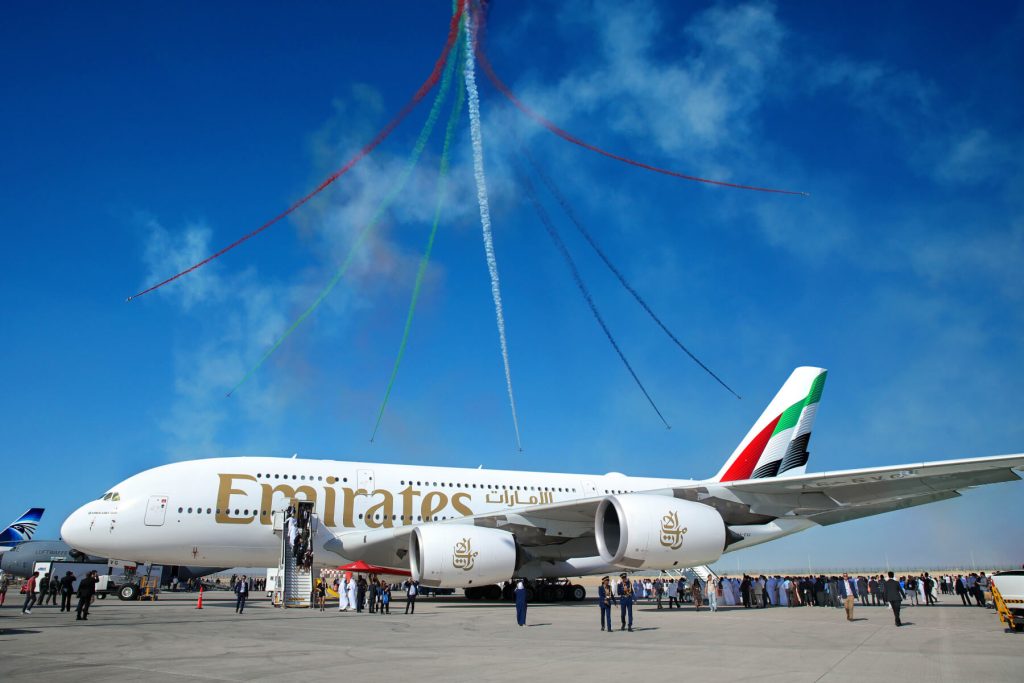
Had Emirates not committed to the A380, arguments could’ve been made. It would’ve selected the 747-8, but suppose it hadn’t either, the A380 fate would’ve been even more frowned upon and aligned with the 747-8 further.
The poor figures across the board highlight the challenges of sustaining demand for ultra-large aircraft. If Airbus had proceeded with the A380neo, it likely would have faced a similar fate.
To Conclude
The story of the prospective A380neo and 747-8 indicates the changing industry and how interest from one specific carrier won’t justify an aircraft being produced.
Moreover, despite Boeing’s many attempts to launch a new 747 variant and the 747-8 acting as the last iteration, it reached a point where, arguably, the series was no longer as desired as it once was.
Airlines have moved towards successors of these high-capacity jets, as seen through the A350 and the upcoming 777X. While these planes will not adequately be a like-for-like replacement, they will still fill the shoes of some airlines.

ABOUT THE AUTHOR
Daniel Fowkes is a Melbourne-based aviation analyst and journalist with over a decade of industry experience. As founder of Dj’s Aviation, he delivers trusted analysis on aircraft, airline strategy and global aviation trends for djsaviation.net
Related Articles




Stay Informed
Get the latest aviation news, analysis and route updates delivered to your inbox.
We respect your privacy. Unsubscribe at any time.
Enjoyed this story?
Make us your go-to for aviation news
Add us as a preferred source on Google and see our latest stories first in Top Stories.
Add Us On Your News Feed