

As airlines worldwide continue to retire the 757, is a possible 757 MAX the short-term solution to many cries for a new middle-of-the-market airliner?
Since entering the industry, the 757 has cemented its position as a mainstay in the medium-haul market. Its versatile design and range of capabilities have made it a favourite among airlines for decades.
However, production of the 757 ended in 2004, and the market has since shifted dramatically toward newer, more efficient jets. Some airlines have held onto their 757s, believing that no perfect replacement exists and that compromises will have to be made.
As Boeing grapples with the prospect of addressing the so-called “middle of the market” segment, some have pointed to a 757 MAX over the last decade.
In essence, it would be a plane that would reimagine the classic series using modern technology. But is a 757 MAX truly Boeing’s next step, or is it an impractical solution that will forever remain a dream?
What Would A 757 MAX Be?
A 757 MAX would theoretically build upon the original 757 design in a similar fashion to new versions of other beloved aircraft that have been developed recently.
The MAX would incorporate updated engines, aerodynamic improvements, and modern avionics to compete with the efficiency and performance of other newer planes produced by Airbus in the best possible manner.
Furthermore, a 757 MAX could address a niche market gap between single-aisle jets like the Boeing 737 MAX 10 and widebodies like the 787 Dreamliner. This a market gap that onlookers have often discussed as empty.
Such a 757 MAx could also be the answer to airlines seeking to replace aging 757s still in service or those looking for a plane capable of efficiently handling transcontinental and transatlantic routes but without the firepower of a widebody.
However, developing a 757 MAX would require Boeing to overcome significant hurdles, from production challenges to the fate of the 757, which hasn’t been in production for two decades and has continued to fade out of the limelight.
The Aviation Industry Has Changed
If produced, the 757 MAX could neatly fit into the middle-of-the-market segment, which has been underserved since the retirement of the original 757.
Over the last decade, airlines like Delta and United, among other leading aircraft lessors, have expressed interest in medium-capacity, long-range aircraft to fill this gap.
Ultimately, as Boeing faced complexities with its own business, Airbus has capitalized on this demand with its A321XLR. This newly launched variant has proven extremely popular with airlines that will leverage the enhanced range of capabilities to reach new and emerging markets.

A reimagined 757 could challenge the A321XLR with enhanced capacity, among other noteworthy improvements, for, after all, the XLR is hardly a clean sheet. The aircraft could also be a versatile workhorse for airlines operating on high-density routes that don’t justify a widebody jet.
However, while the theoretical demand exists and possible markets the aircraft could slot into are nice talking points, Boeing’s ability to produce such a jet is the biggest hurdle.
No New Plane From Boeing
Despite the potential market for a 757 MAX, Boeing is not currently positioned to launch a new commercial aircraft. This was only recently confirmed by Kelly Ortberg, the newly appointed CEO.
Financially, the company is still recovering from the massively debilitating 737 MAX crisis and the COVID-19 pandemic. The grounding of the MAX cost Boeing billions and damaged its reputation while also uncovering many other problems.
In addition to financial constraints, Boeing faces deep-rooted operational issues. Production disruptions have led to quality control concerns and delivery delays, highlighting systemic inefficiencies in Boeing’s manufacturing processes.
While these issues were put on the back burner, regulators such as the FAA argue this went on for too long. Across 2024, they have increased their oversight tenfold, limiting the wiggle room for Boeing to stretch its wings.
Furthermore, management shuffles in recent years have created instability, making it difficult for the company to commit to a long-term project like a new aircraft.
The 777X program, once touted as a flagship project, has also suffered from delays and escalating costs. With the first delivery pushed back to 2026, Boeing’s resources remain tied up in completing this overdue project, among many other uncertified 737 MAX jets.
Thus, introducing a new jet, such as the 757 MAX, while maybe required at a certain point in the industry, would stretch the minimal resources available to the point of no return and be a mistake.
Boeing Already Ended The 757
One of the biggest hurdles to developing a 757 MAX is that production of the original 757 ceased nearly two decades ago.
Restarting the production line would be a monumental task that would take a colossal undertaking from a resource and financial standpoint. Much of the tooling and equipment used to manufacture the original 757 have been dismantled or repurposed.
However, even from the standpoint of the all-important workforce that made the 757 program what it was, which has been moved on and largely retired, the undertaking would be immense.
Designing a MAX variant would require extensive modifications to meet modern safety and efficiency standards. New engines, materials, and avionics systems must be integrated into the design.
These updates, while necessary to make the plane a worthwhile purchase for airlines, would come at a considerable cost and could result in a lengthy development timeline. That development time would also exclude the certification process, one of Boeing’s greatest challenges.
Would A 757 MAX Be A Good Idea?
The appeal of aircraft such as the 757 MAX and even the 767 MAX is primarily their ability to act as a bridge between the already established 737 MAX and 787.
However, the feasibility and effectiveness of these variants, as mentioned above, that never launched raise greater questions about the market surrounding them.
The commercial aviation industry has evolved since the 757’s prime, and airlines now prioritize smaller, more fuel-efficient aircraft that can operate on a wider range of routes.
That flexibility has been a driving force behind airlines worldwide’ success with only a handful of aircraft types.
While the 757 doesn’t have a direct replacement in something like the 757 MAX, its overall mission has lived on through the development of other planes. Some airlines may argue that jets such as the A321XLR or 737-10 aren’t optimal replacements but are as close as possible.
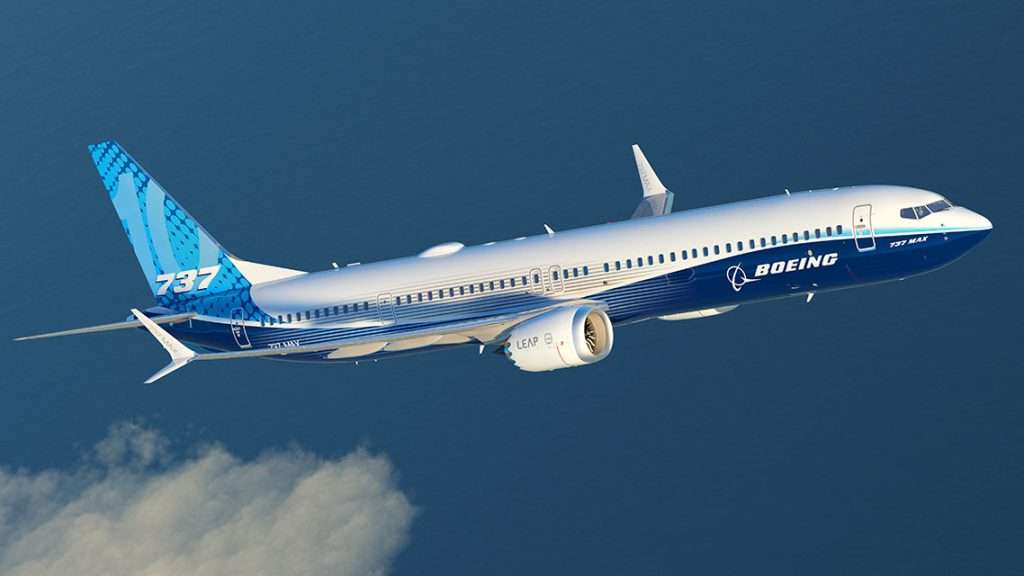
If a 757 MAX had been proceeded with, it would’ve needed to launch far sooner than the mid-2020s to stand any chance of success.
Moreover, examining the last five years at Boeing, even if the type had launched 10 years ago, its entry into service would’ve been plagued by the issues that have since come. Even if launched, it would’ve likely acted as a short-term solution only.
Boeing has argued that it wants its next commercial airplane to be a true upgrade. Part of the reason nothing has launched is that it feels that launching a plane in the last five years wouldn’t have been the major upgrade airlines deserved.
What Is Next For Boeing?
The 757 MAX will forever remain a what-if. Boeing must have other focuses for its next commercial aircraft whenever it launches.
Current groundwork has begun with studies such as the TTBW in association with NASA, which are already underway to find ways to make the next commercial aeroplane even more sustainable.

However, before this becomes the primary focus, Boeing must continue to stabilise its business, address quality concerns, rebuild trust with customers and the broader public, and become the company everyone wants it to be again.
All this will take time, but Boeing knows it must continue moving in a more positive direction for the greater good of itself as a business, even if that won’t include a 757 MAX.

ABOUT THE AUTHOR
Daniel Fowkes is a Melbourne-based aviation analyst and journalist with over a decade of industry experience. As founder of Dj’s Aviation, he delivers trusted analysis on aircraft, airline strategy and global aviation trends for djsaviation.net
Leave a Reply
Related Articles




Stay Informed
Get the latest aviation news, analysis and route updates delivered to your inbox.
We respect your privacy. Unsubscribe at any time.
Enjoyed this story?
Make us your go-to for aviation news
Add us as a preferred source on Google and see our latest stories first in Top Stories.
Add Us On Your News Feed
I thought the 797 was going to address this needs of this segment? Also, I would not use the ‘MAX’ moniker ever again after the 737 MAX disaster(s).
I like Boeing but Jesus Christ !, Don’t they learn the MAX after any Boeing model is….bad luck :-))). Can they just call it B797 or even B1007 . Anything else with a MAX name is invoking death due to poor engineering !!!!