

Boeing’s persistent desire to innovate and launch new planes throughout the mid-to-late 1900s and early 2000s underpinned its business success.
However, innovation has been somewhat less successful in the last decade, and many onlookers have wondered what the American manufacturer’s next move will be.
Much of that focus comes from Boeing’s direct competitor, Airbus, which continues to advance and widen the gap with its commercial airplane offerings.
Given Boeing’s stature as one of the world’s leading aircraft manufacturers, calls for the company to unveil a new aircraft to compete with Airbus have continued.
However, the manufacturer has clarified that launching a new commercial airplane isn’t a priority for several fundamental reasons.
Boeing’s New CEO…
Kelly Ortberg, the man tasked with turning around Boeing and the newly appointed CEO, recently spoke about the planemaker’s status within the industry and how that translates to prospects for a new aircraft.
Ortberg noted that the company has been burning through cash for most of 2024 as it grapples with ongoing production and certification issues. This has left the planemaker little to no room to invest in an entirely new design.
Further suggestions were made that a new aircraft may not be required at this point, pointing to existing product lines that meet current market demands. Ortberg’s stance has received mixed reactions, as its competitor only widens the gap.

Moreover, some onlookers felt that Boeing had needed a new plane for many years but hadn’t moved ahead because of its complications. Those gains from Airbus have been seen through the A321XLR, for which Boeing has no true competitor.
Aircraft types such as these, alongside airlines feeling that there is a lack of a dedicated 757 replacement and NMA on the market, could point towards missed opportunities from Boeing.
The Collapse Of Boeing Since 2019
The past few years, however, have been nothing short of tumultuous for Boeing. These years have cast doubt on the planemaker’s ability to undertake such a colossal project, which would likely involve a clean sheet with massively updated technologies.
The 737 MAX crisis, triggered by two fatal crashes, exposed deep flaws in the company’s engineering, certification, and corporate culture. As a result, regulator scrutiny on Boeing has intensified, and this was heightened at the beginning of 2024 when a door blowout revealed that work across the four years following the crashes hadn’t done all that much.
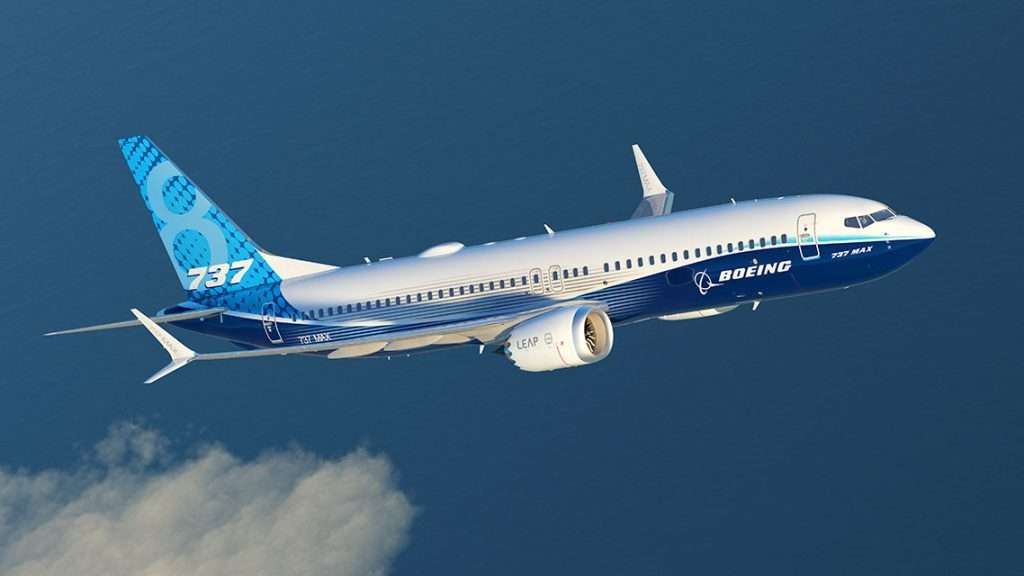
Boeing has been forced to regain the trust of not just the regulators but also airline customers and even passengers, who already saw the planemaker as a tainted brand and now may perceive it as in an unrecoverable state, where the brand will forever be viewed in one light.
Compounding these issues is Boeing’s inability to certify current aircraft that impact airline operations. The 777X program, for instance, has faced repeated delays, with the first delivery pushed back to 2026 after another company delay.
Production issues have added another layer of complexity. The 787 Dreamliner faced prolonged delivery suspensions due to quality control concerns. These challenges have hurt the company’s bottom line and highlighted inefficiencies that must be resolved.
It hasn’t just been the 787 Dreamliner; the 737 MAX has also seen suspensions in deliveries and production across many periods in the last half-decade, resulting in this needing its complete focus.
How The Pandemic Hurt Boeing
The COVID-19 pandemic dealt a heavy blow to the aviation industry, and Boeing was no exception. Airlines cancelled orders and deferred deliveries, significantly impacting Boeing’s cash flow.
The pandemic also delayed any potential discussions about new aircraft, as manufacturers and airlines focused on survival rather than growth and weren’t looking to commit to new aircraft with so much uncertainty around the industry.
Emerging from the pandemic, Boeing faced a very different scenario than it may have imagined. During the pandemic, it also battled to get the 737 MAX back in the skies, with regulators heavily inspecting the jet.
Investigations around this period uncovered a corporate culture overly focused on cost-cutting, often at the expense of safety and quality. Employees on the floor often went unheard when voicing their concerns.
Ultimately, fixing these systemic issues has taken precedence. While it was a priority at the turn of the decade, it didn’t see much progress until a door blowout incident in the first week of 2024 revealed the underlying issues.
As a result, Boeing’s ability to proceed with ambitious projects such as a new commercial airplane wouldn’t have made much sense, no matter how much it wanted to close the gap between itself and its competitor, Airbus.
Did Boeing Miss Out With No NMA?
Some industry analysts argue that Boeing missed a critical window when launching a new plane. Airbus has taken the lead in the narrowbody market, particularly with the A321XLR, a hit among airlines having only just entered scheduled passenger service.
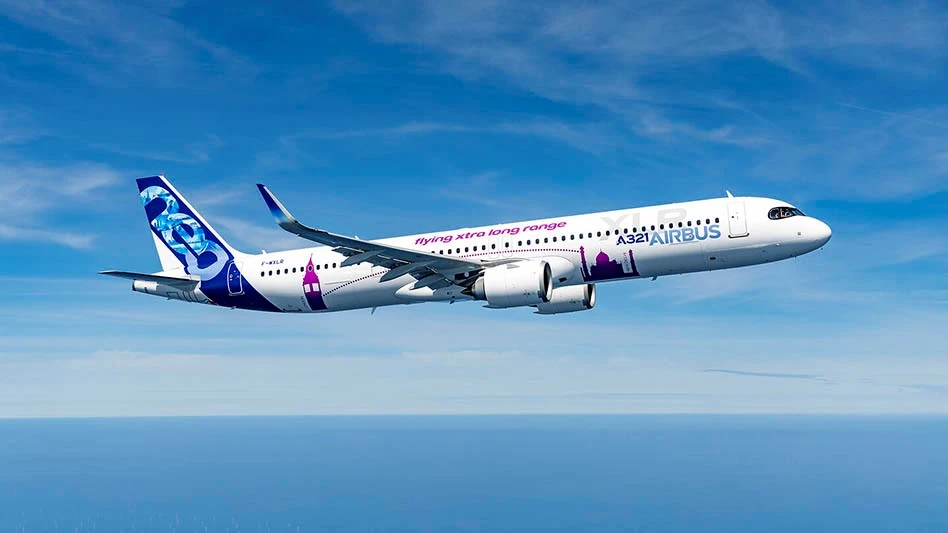
Boeing’s absence in this segment has been a hot topic of conversation recently, leading to speculation that it may have ceded the middle-of-the-market space to its rival and will struggle to recover in the future without an almighty effort.
However, by not launching a new commercial airliner, Boeing may also have decided that waiting would be a better decision, especially if such a plane was to be a clean sheet.
Developing new technologies, particularly regarding sustainability, could redefine the kind of commercial aircraft offered in the coming decades. By waiting, Boeing may lose ground now; however, in the long run, it can position itself to leapfrog Airbus with its next-generation type.
The Road To Recovery
Boeing still has a long road ahead before its primary focus is launching a new commercial airliner.
As touched on, several reasons have prevented the company from proceeding with a new plane, and while that allows Airbus to take significant strides ahead, it is arguably the right move.
By not launching a new plane, the American manufacturer has the opportunity to strictly focus on the rebuilding of its own business by sorting through supply chain niggles, production difficulties, output problems and certification delays.
While a new plane may not seem on the horizon, Boeing must continue assessing what’s next and studying new technologies to eventually adopt into a new commercial airliner.

ABOUT THE AUTHOR
Daniel Fowkes is a Melbourne-based aviation analyst and journalist with over a decade of industry experience. As founder of Dj’s Aviation, he delivers trusted analysis on aircraft, airline strategy and global aviation trends for djsaviation.net
Leave a Reply
Related Articles




Stay Informed
Get the latest aviation news, analysis and route updates delivered to your inbox.
We respect your privacy. Unsubscribe at any time.
Enjoyed this story?
Make us your go-to for aviation news
Add us as a preferred source on Google and see our latest stories first in Top Stories.
Add Us On Your News Feed
Why didn’t Anyone mentioning that Boeing went Woke & DEI? As I recall the “door” inspector was DEI job hire. Boeing is a great company. What needs a leader like our president-elect? Donald Trump That I believe the sky will be unlimited.