
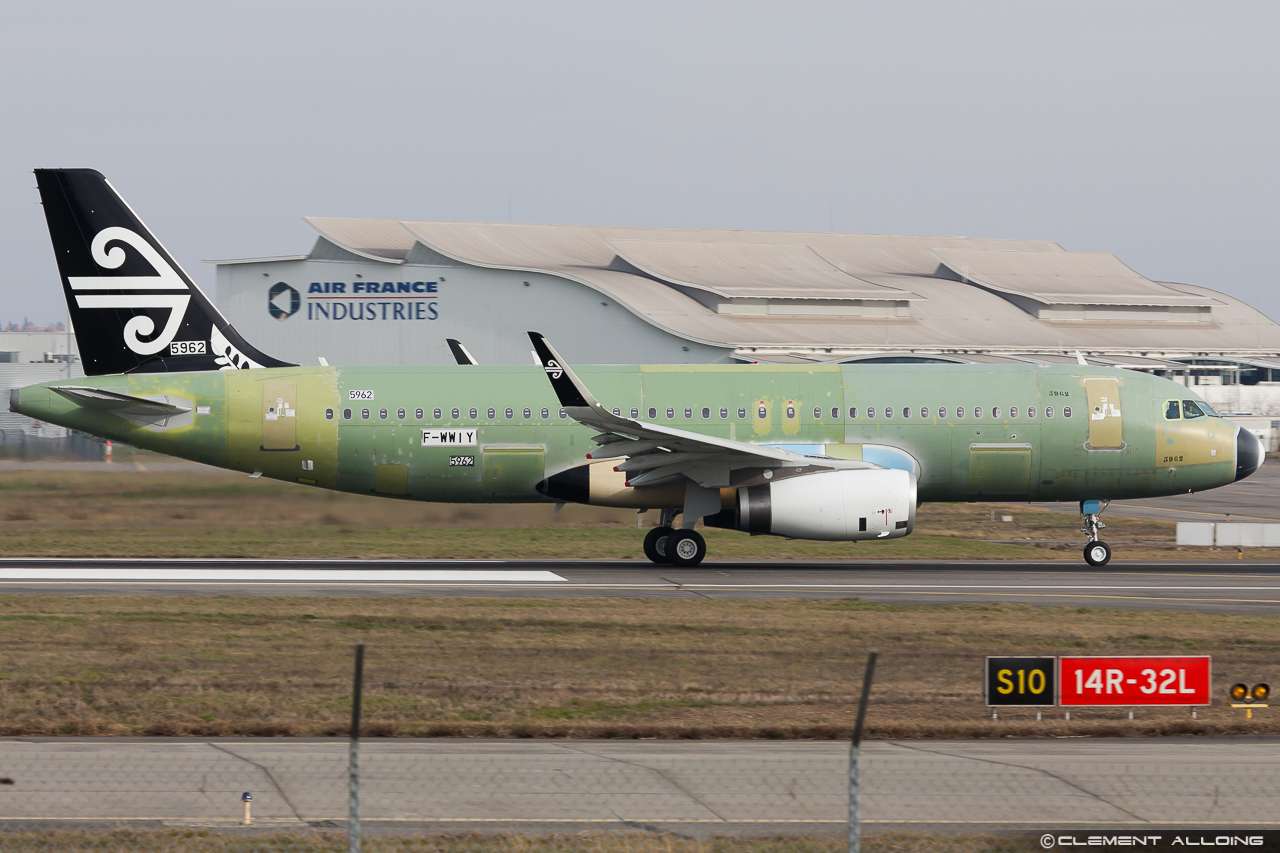
Despite a turbulent last 18 months filled with battling for market share across key regions, Air New Zealand expects a busy summer schedule.
To ensure it is perfectly poised to meet high levels of demand, Air New Zealand will look to draft additional aircraft on a short-term lease to mitigate capacity limitations.
The New Zealand Herald reports that much of the focus will be on serving domestic demand, with the airline preparing for a hectic Christmas. Based on bookings, Air New Zealand expects robust demand throughout the holiday season.
Away from focusing on adding aircraft in the short term, Air New Zealand will also make changes to how it uses its aircraft in a bid to become more efficient.
The utilisation changes will primarily occur through a shift in widebody operations, which will focus on ensuring aircraft operate for 14 to 16 hours daily and limit the time spent on the ground.
By adjusting its overall aircraft usage, the airline believes it can operate with even fewer widebodies than it once had prior to the pandemic while still operating a just as large network.
Air New Zealand Used To Leasing
Unfortunately, this means of answering capacity requirements, while beneficial to be present, is far from ideal. At the very least, Air New Zealand is used to such a thing occurring and has ventured into the leasing market several times in the last decade.
Air New Zealand has arguably been one of the most impacted airlines in the region it calls home by related aircraft issues in recent times. In the mid-2010s, the airline faced Rolls Royce Trent 1000 difficulties, which left 787s grounded, and the leasing market was the only solution.
Nowadays, the airline is facing the impact of the Pratt & Whitney GTF engine crisis, which is hurting its narrowbody operations, focusing on the A320neo family.
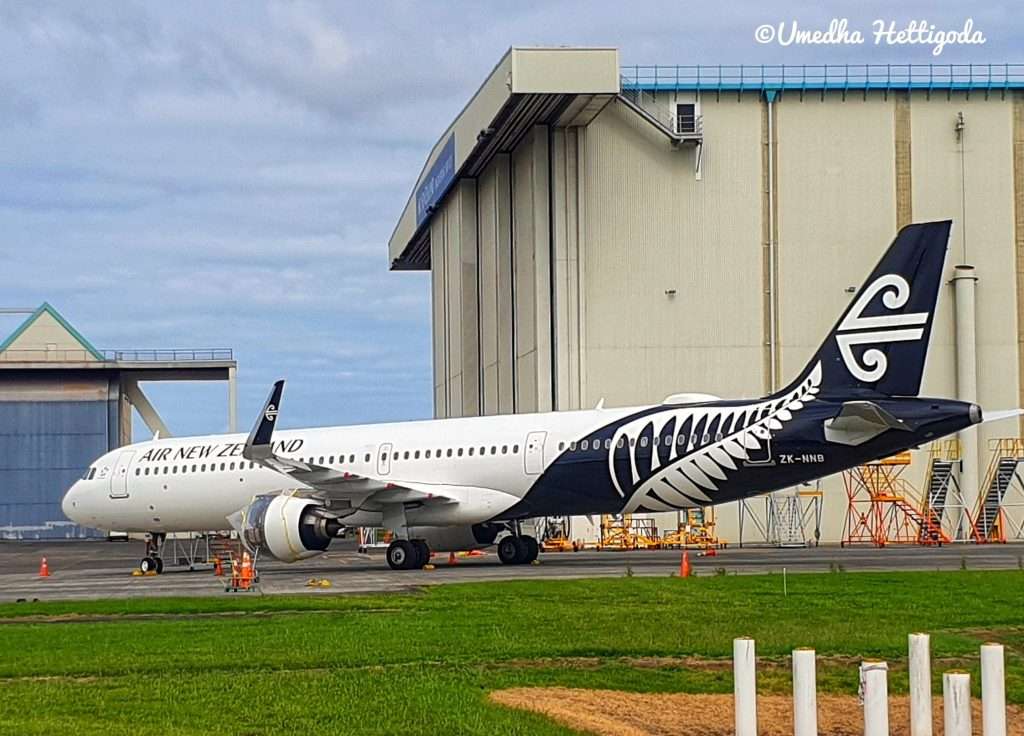
The A320neo family is part of the airline’s long-term vision, outlined some time ago to revamp the fleet and move towards more efficient flying.
However, the carrier was hardly going to imagine such a crisis would occur with an aircraft meant to have the opposite effect upon delivery.
The Struggle To Reactivate Planes
Air New Zealand’s CEO further highlighted the difficulties in activating aircraft that have been parked in long-term storage for a considerable period.
The carrier cites elements such as the retraining of crew who must get familiar with an aircraft once again as time-consuming; however, factors such as just getting the specific aircraft ready to re-enter service also take time.
Much of that focus relates to its fleet of Boeing 777s, which Air New Zealand has said is far from as easy as some would imagine.
Qantas has also revealed something similar to Air New Zealand, however, with its fleet of Airbus A380s, citing that while the capacity has been essential, actually getting these planes back in the air has been a challenge unlike any other.
These repercussions from the pandemic are still being felt in some manner. However, newfound challenges such as supply chains, among others, have led to further troubles in fully rebuilding certain elements as intended.

ABOUT THE AUTHOR
Daniel Fowkes is a Melbourne-based aviation analyst and journalist with over a decade of industry experience. As founder of Dj’s Aviation, he delivers trusted analysis on aircraft, airline strategy and global aviation trends for djsaviation.net
Related Articles




Stay Informed
Get the latest aviation news, analysis and route updates delivered to your inbox.
We respect your privacy. Unsubscribe at any time.
Enjoyed this story?
Make us your go-to for aviation news
Add us as a preferred source on Google and see our latest stories first in Top Stories.
Add Us On Your News Feed