

The Boeing 787 remains a highly efficient and successful long-haul aircraft that debuted some time ago.
As the 787 has developed, there’s been discussion about how Boeing can cement its position as an industry leader.
These endeavours could include increasing the maximum takeoff weight, further enhancements, or entering a completely different market: the airfreight scene.
The Boeing 787F
Talk of a Boeing 787 Freighter has surfaced on several occasions, primarily spurred by Boeing’s efforts to enter the new era of freighter operations.
As reported by the source, Dave Calhoun, the former Boeing CEO, and as broken by leading trade publications such as Bloomberg, the 787F was one of the many options being considered by the plane maker.
Boeing knows it won’t be permitted to continue producing other older-generation freight planes, as it needs to comply with emissions rules around the globe; thus, replacements are being discussed.
Replacement Option?
As Boeing looks to enhance its commercial aircraft portfolio, with a focus on freight operations, it needs to be wary of replacement efforts as well.
The 777F replacement is the newly announced 777-8F, which should enter service in the latter stages of this decade.

Whereas the 767F is still a popular freighter aircraft operating worldwide today and thus needs a replacement, the 787F steps in.
The planemaker has stated that such a variant could be their desired answer as they move towards greater efficiency and harmony across their network.
It isn’t a lie that the 787 has been game-changing for so many airlines, and Boeing would hope a similar could be achieved thanks to a freighter conversion on either ageing units come the 2030s or even as a pure-born freighter that’d be able to fly into the 2050s and 2060s.
Boeing Must Pace Itself
In the aforementioned discussions, Calhoun stated that they had to pace themselves in developing their freighter portfolio. Furthermore, it was important not to pull the trigger too soon.
It has been turbulent over the last half-decade at Boeing, and the focus now lies elsewhere, on repairing relationships and stabilising output.
The business has been in disarray, and while focus on the future must remain, moving forward with a new freighter type while other parts are in turmoil wouldn’t be ideal.
At this stage, Boeing knows its main priority is to get its already-announced 777-8F shipped to customers at some point, with certification of the 777-9 required before progress can occur.
Is There Demand For A 787F?
While the 787F has been discussed, what would the demand be like if the aircraft were released? The current market for Boeing 787 freighters appears mixed.
On the one hand, the surge in cargo demand experienced during the pandemic has normalised, leading freight companies to scale back their expectations.
The positives of this have been visible through FedEx, which has been able to phase out ageing fleet types in favour of more efficient operations.
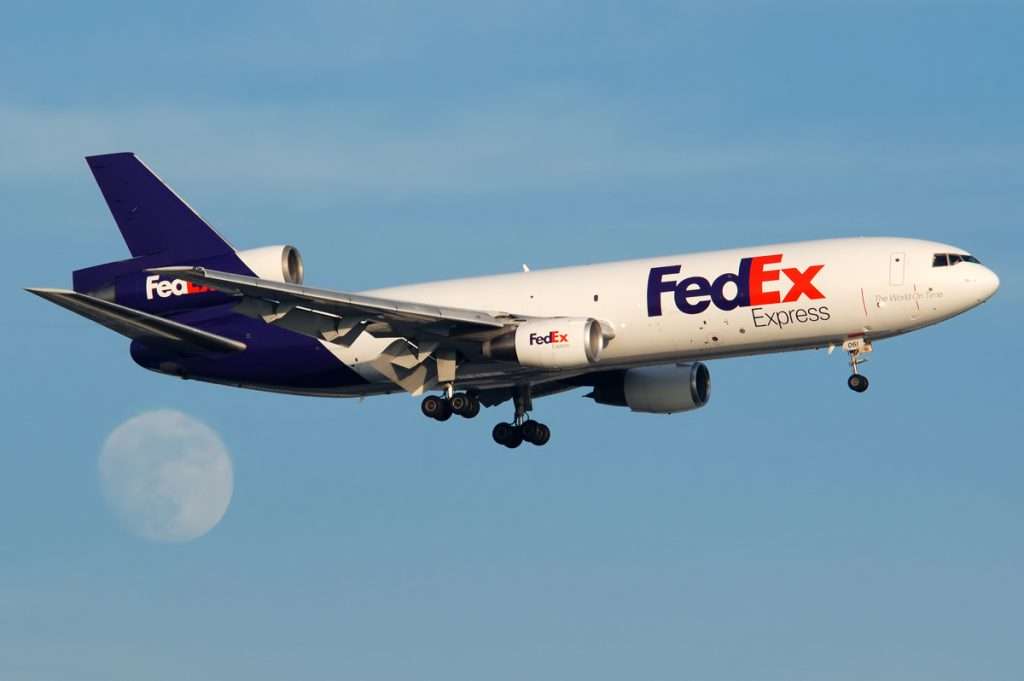
However, it also meant that some freight companies have slowed growth, which, in essence, has tempered expectations for new aircraft deliveries and prospective orders.
The Boeing 767F has performed well in this environment, effectively meeting cargo needs. However, as touched on, the 767F’s long-term vision wouldn’t be the same as that of a 787 freighter. There’s much to consider, and ultimately, a substantial internal evaluation is required.
A Need For Efficient Aircraft
One aspect of this prospective 787F is the desire for a more fuel-efficient, environmentally friendly aircraft that appeals to cargo operators seeking to reduce operating costs and comply with stringent emissions regulations.
However, the associated costs of developing a 787F are high. While not as intensive as a clean-sheet design, converting the 787 into a freighter involves considerable engineering modifications, including reinforcing the fuselage for cargo operations and optimising the aircraft for payload and loading capabilities.
Furthermore, there are challenges, such as the materials used, for which considerations must be made to ensure the jet’s structural integrity is maintained.
While Boeing has expressed consideration for the 787F, something it would need to have done some time ago when it first explored the 787 passenger plane, much needs to be factored in.
As a result, many onlookers argue that this would be a more long-term solution. Further, if Boeing advances this new era of aircraft, slated to launch in the 2030s, could a freighter emerge at this point?
Freight operators are known to hang onto their aircraft far longer than in passenger operations, so could these companies look to retain their existing aircraft or move towards available options such as the 777F?
Time will tell for this project, but Boeing has been keeping a close eye on such a prospective aircraft for many years, but it has yet to pull the trigger.

ABOUT THE AUTHOR
Daniel Fowkes is a Melbourne-based aviation analyst and journalist with over a decade of industry experience. As founder of Dj’s Aviation, he delivers trusted analysis on aircraft, airline strategy and global aviation trends for djsaviation.net
Related Articles




Stay Informed
Get the latest aviation news, analysis and route updates delivered to your inbox.
We respect your privacy. Unsubscribe at any time.
Enjoyed this story?
Make us your go-to for aviation news
Add us as a preferred source on Google and see our latest stories first in Top Stories.
Add Us On Your News Feed