

The Airbus A340 has excelled as a widebody optimal for long-haul flying, but its skinny body comes with a punch—four engines.
Since entering the industry, the aircraft has faced many challenges, including an economic downturn, competition and a major shift.
But in the end, why did the A340 fall short of expectations, and why did the European manufacturer end the programme?
The A340s Downfall
One of the primary reasons for the decline of the Airbus A340 was the aviation industry’s shift towards more fuel-efficient aircraft.
This will always be the most significant reason when discussing quad-engined aircraft.
While the blandest reason is one of the most critical to explore, it’s one of the most critical for the A340, which, unlike its counterparts, the A380 and 747, didn’t come with a partial or complete second deck.
The Airbus A340 instead saw its selling point be that of ETOPS, which was still in the infant stages at the time of the first A340 introduction.
As a result, for customers who required long-haul flying, the A340 presented an opportunity to capture demand on their networks sooner rather than later.
The Emergence Of Twin Engine Aircraft
Only shortly after the manufacturer offered the A340 did other aircraft begin to emerge. Not only was it deemed that these aircraft had significant cost benefits, but they were typically a less risky option.
Many lean on the 777’s development as the beginning of a new era for long-haul travel, which was enhanced and highlighted further through Boeing’s own 787 and the eventual development of the A350.
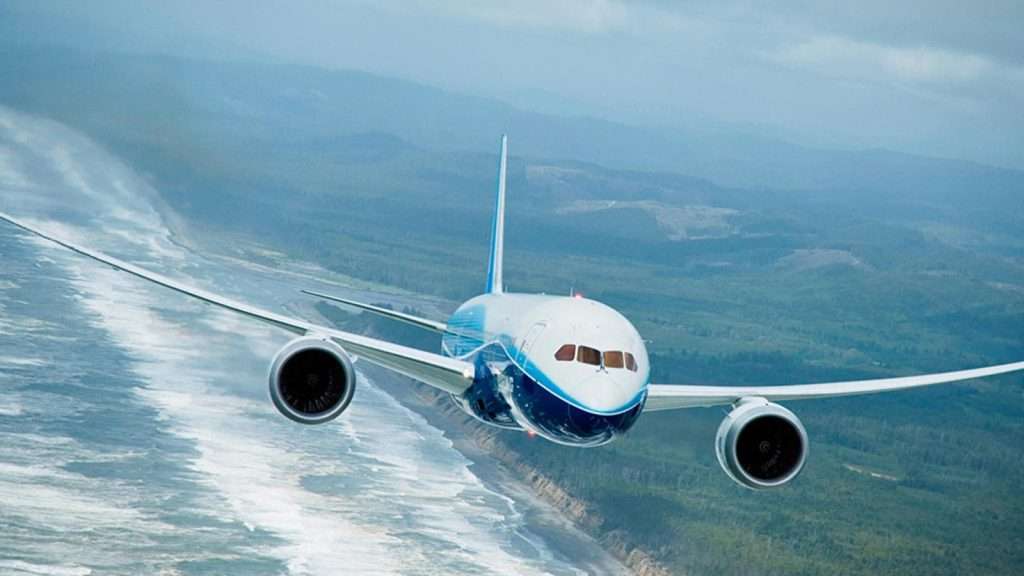
All these aircraft types offer similar capacity and range variants and can all operate at a far lower cost, whether concerning elements such as maintenance of general fuel.
As airlines also put greater emphasis on being environmentally friendly, planes like the A340 became increasingly unfavourable as the mid-2020s approached.
Slowly but surely, where the A340 had excelled, more favourable alternatives became available, meaning that the A340 wasn’t required and Airbus would pull the plug on the programme.
What About A Second-Hand Market?
The decline of the A340s after the realisation that there were greater alternatives elsewhere was highlighted by the lack of a second-hand market for the aircraft type.
Some families can extend their operational life significantly after their first operator retires the type. This has been seen with the A320, 737, 757 and 767 series, among many others.
In some cases, the aircraft can be sold to niche operators before being retired; in others, they’ll be converted into freighters.
While the A340 found a niche among certain operators needing its specific capabilities, such as long-haul flights into and out of more unique markets because of cheap acquisition costs, this market needed to be more significant to sustain strong secondary demand that was visible with other aircraft types.
Most airlines preferred more versatile aircraft that efficiently served a broader range of routes.
Pressures From The Economy
Unfortunately, the A340 fall coincided with several exterior difficulties impacting its performance and long-term usability.
Take a look at the global financial crisis of the late 2000s. This was a crucial catalyst for many airlines to rethink their aircraft operations and make harsh cuts to their fleet where necessary.
Considering the fluctuation and rising fuel prices, the viability of operating four-engine aircraft for most airlines wasn’t there.
Competition From Boeing 777
Analysts argue that one of Airbus’s A340 competitors, the Boeing 777, played a large role in the decline of the quad-engined offering, even at its launch.
Around the time the A340 emerged into the market, the 777 was also a central talking point. As the industry entered the 2000s and Boeing continued developing its 777, especially through the 777-300ER, there was high capacity and efficiency.
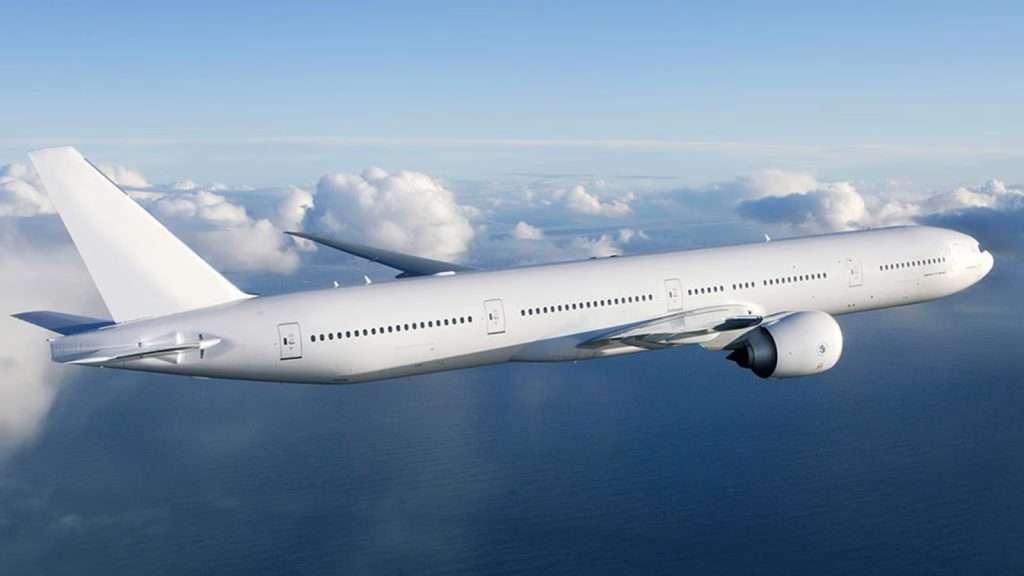
These two planes, released simultaneously for many airlines, showed key differences and, ultimately, several advancements that the 777 adopted that the A340 didn’t.
To Conclude
The Airbus A340 was not ideal but maybe, to a certain extent, never achieved the ambitions laid out for it during the initial conception and launch phase.
While some factors were outside the manufacturer’s control, analysts today highlight that the aircraft came about when airlines were leaning away from such jets.
Ultimately, considering the struggles to find airlines willing to take on the risk, it became an aircraft that fell wildly out of favour relatively quickly.

ABOUT THE AUTHOR
Daniel Fowkes is a Melbourne-based aviation analyst and journalist with over a decade of industry experience. As founder of Dj’s Aviation, he delivers trusted analysis on aircraft, airline strategy and global aviation trends for djsaviation.net
Related Articles




Stay Informed
Get the latest aviation news, analysis and route updates delivered to your inbox.
We respect your privacy. Unsubscribe at any time.
Enjoyed this story?
Make us your go-to for aviation news
Add us as a preferred source on Google and see our latest stories first in Top Stories.
Add Us On Your News Feed