

Wizz Air is looking to continue expanding its network rapidly following new updates from the airline’s CEO.
In an interview published with index.hu, József Váradi said that the major budget airline’s growth plans were well underway.
If all goes according to plan, the airline wants a fleet exceeding 500 aircraft by 2030-2032. This would be a considerable jump from just over 200 currently operational and reflect deliveries of more than 300 aircraft.
Wizz Air already has a considerable order book for next-generation Airbus aircraft. These aircraft are expected to be important as the airline competes with existing budget carriers and is in a hotly contested market.
By adding hundreds of new aircraft to the fleet in the next five to six years, the airline also wants to offer 1 million flights per year to transport more than 170 million passengers. For reference, in 2023, more than 63 million passengers flew the airline, so significant growth is expected.
Wizz Air hasn’t been afraid to order in big over the last few years in response to the resurgence of demand following the pandemic and projected growth. Airlines such as Wizz know they must order aircraft now and in the future to ensure they have the available assets by the 2030s. As a result, many aircraft programs are beginning to be sold out through the remainder of this decade.
In August 2023, the airline signed a firm contract for 75 additional A321neo family aircraft. Through this commitment, the airline became, at the time, the largest member of the single-aisle family, now resting at 434. The A320 family commitment stood at 565 jets overall.
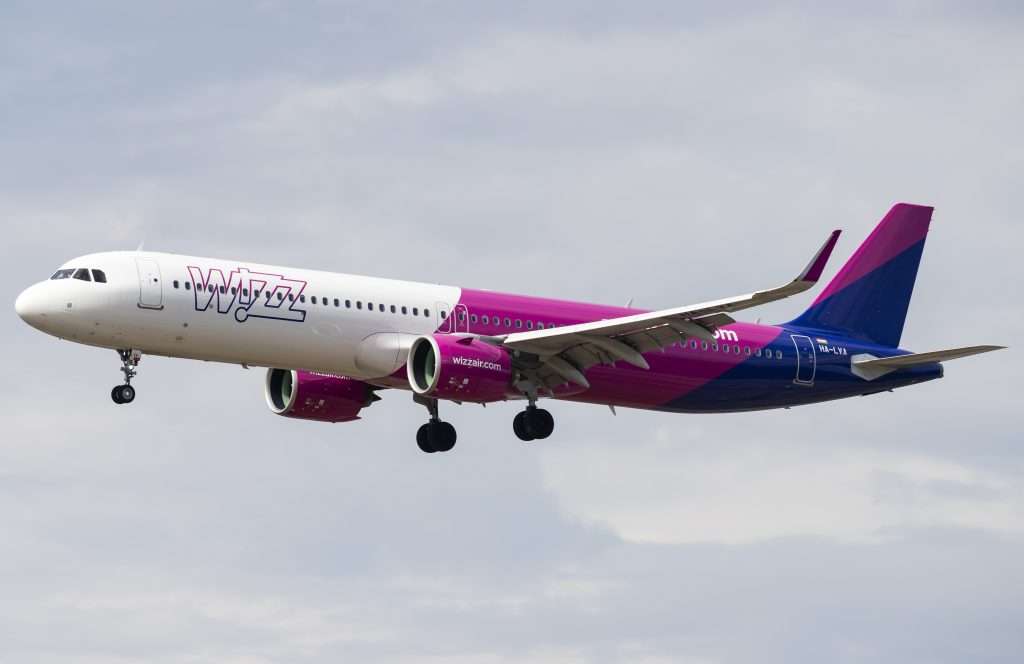
Through these aircraft purchases and, eventually, deliveries, Wizz Air knows plenty of opportunities regarding routes and bases. Having a fleet tally of over half a thousand will also see the expansion of its geographic reach, and Wizz Air looks to cement itself as a force to be reckoned with.
While Wizz Air is one of the European airlines battling aircraft groundings caused by the Pratt & Whitney engine saga, it still keeps hopes high. The carrier says it’s been forced to adjust schedules, and its short-term overall performance has been affected.
Meanwhile, Wizz Air also knows it has seen an impact from the ongoing tensions in nearby regions, from the war in Ukraine to the ongoing conflict surrounding Israel. The airline has responded to these conflicts by changing how it operates and where it sends aircraft.

ABOUT THE AUTHOR
Daniel Fowkes is a Melbourne-based aviation analyst and journalist with over a decade of industry experience. As founder of Dj’s Aviation, he delivers trusted analysis on aircraft, airline strategy and global aviation trends for djsaviation.net
Related Articles




Stay Informed
Get the latest aviation news, analysis and route updates delivered to your inbox.
We respect your privacy. Unsubscribe at any time.
Enjoyed this story?
Make us your go-to for aviation news
Add us as a preferred source on Google and see our latest stories first in Top Stories.
Add Us On Your News Feed