
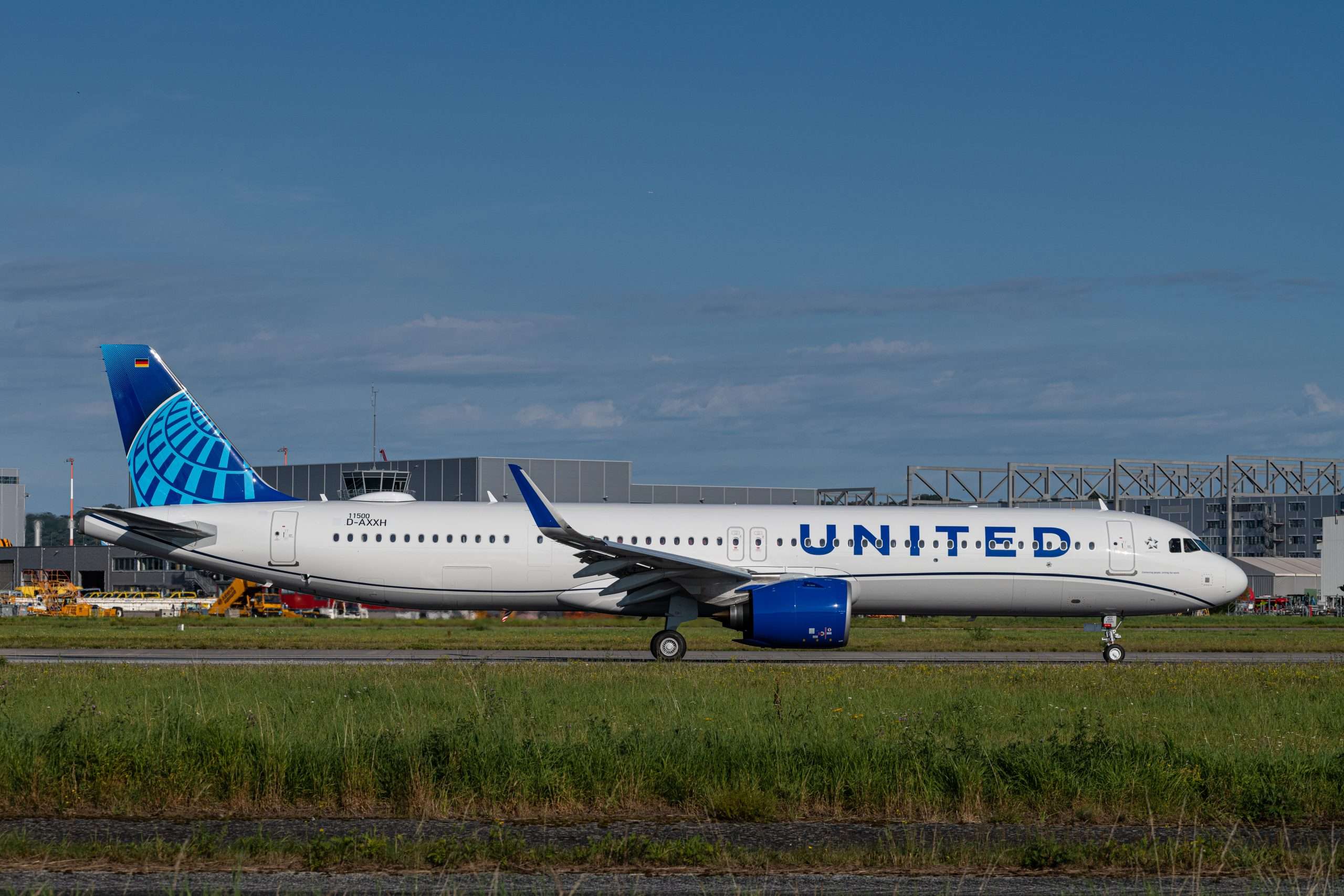
United Airlines has been one of the primary airlines impacted by the latest problems at Boeing, with aircraft deliveries further postponed.
The U.S. airline has a large order for the Boeing 737-10. This is the largest aircraft in the MAX series, and its additional capacity is a selling point for airlines around the world.
However, while a selling point and an aircraft that has been ordered in numbers, it’s also a variant that remains uncertified. In essence, it isn’t permitted to fly with passengers aboard airlines.
The plane makers’ timeline for certification hasn’t been met repeatedly, so airlines have been left scrambling to alter their retirement and schedule plans.
When a door blowout occurred aboard a MAX aircraft, Boeing was plunged back into a world of darkness and unknown, and key customers such as United knew it was immediately time to prepare for the worst.
While impacted by the 737-9 mandated groundings, the uncertified nature of the 737-10 became the more pressing cause for concern, as did the likely delays and growth impact.
United quickly said growth would slow over the coming years and that the 737-10 had been removed from their immediate fleet plan. As a result, the major airline needed to find ways to compensate for lost capacity.
Finding Ways To Cope
Some airlines have dealt with supply chain-related difficulties in recent years by retaining older aircraft longer than expected.
However, for United, these 737-10s were to truly enhance its offering and growth potential, so without this plane now included in its plan, it’s been forced to look elsewhere.
The United CEO, Scott Kirby, said on several occasions that he would look towards additional A321neos or 737-9s to cope with the lost ground. However, a key consideration would be the price and availability associated with the deal. These are in-demand aircraft, and not many units are hanging around to be picked up.
Bloomberg now reports that United Airlines is close to securing upwards of three dozen A321neo jets from lessors to support its long-term efforts. At a minimum, this would mean 36 additional aircraft would join the fleet.
A new leasing contract cannot necessarily fulfil what the 737-10 was going to achieve for the airline and is a frustrating contract they’re forced to pursue, but if successful, it’ll lessen some of the pressures.

ABOUT THE AUTHOR
Daniel Fowkes is a Melbourne-based aviation analyst and journalist with over a decade of industry experience. As founder of Dj’s Aviation, he delivers trusted analysis on aircraft, airline strategy and global aviation trends for djsaviation.net
Related Articles




Stay Informed
Get the latest aviation news, analysis and route updates delivered to your inbox.
We respect your privacy. Unsubscribe at any time.
Enjoyed this story?
Make us your go-to for aviation news
Add us as a preferred source on Google and see our latest stories first in Top Stories.
Add Us On Your News FeedRelated articles
· Airlines
Allegiant Air Buys Six More 737-8s From Boeing
Daniel Fowkes
26/10/2026
· Airlines
Emirates vs Qatar Airways: The Gulf Superhub Rivalry Compared
Bryan Shelmon
26/10/2026
· Airlines
Riyadh Air Is Moving Away From Riyadh
Daniel Fowkes
26/10/2026
· Airlines
Emirates Isn’t Worried At All
Daniel Fowkes
25/10/2026