

In 2019, Airbus announced the A321XLR, a next-gen single-aisle aircraft that aims to redefine what it means to fly a smaller aircraft across longer distances.
The aircraft wouldn’t just be a simple narrowbody but push the limits of what was previously thought possible with single aisles.
Since conception, the A321XLR has been renowned for its extended-range capabilities and, upon launch, attracted hundreds of orders. But why was it even announced?
A Gap In The Market
One of the many reasons Airbus moved ahead with an A321XLR was its ability to pounce on a market that lacked any real firm competition.
Toward the latter stages of the 2010s, Boeing was said not to be moving forward with a new middle-of-the-market airliner anytime soon.
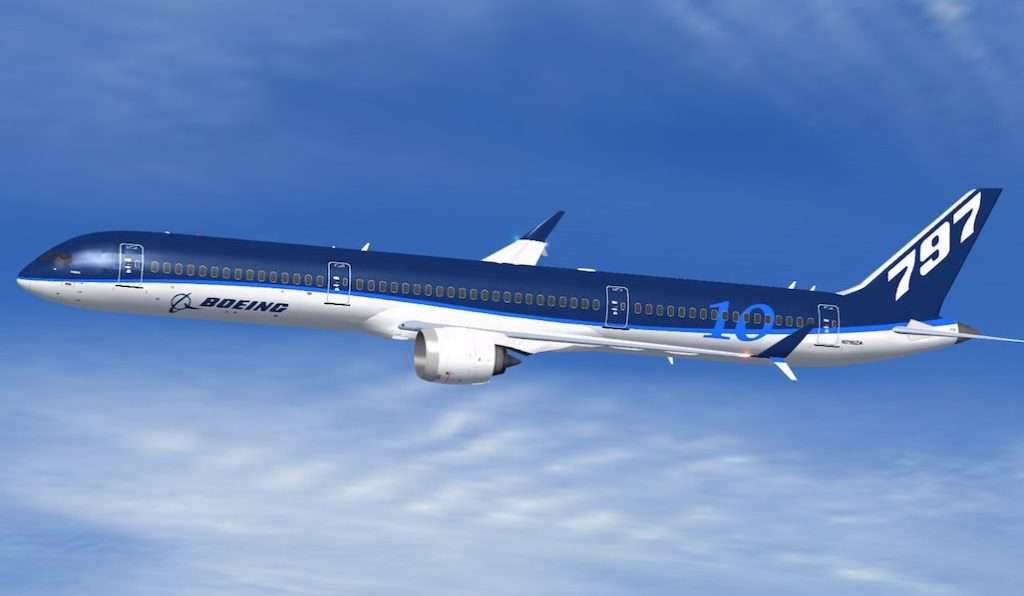
As a result, this gave Airbus a fantastic opportunity to build upon a platform already existing in its A321neo series, which had the potential to be enhanced further.
Airbus had already played around with the A321LR, and its long-range capabilities have given airlines greater opportunities to fly. So, could the planemaker extend those range limitations further?
Enhancing the A321neo would align with rumours surrounding an A322 and also remove the need for a clean sheet to attract more of the market share that was, at the time, up for grabs entirely by the European planemaker.
Boeing’s Loss Turns Into Airbus’ Win
Several companies committed to the A321XLR when it was launched in 2019; however, others held off on placing an order.
Those companies that held out on ordering the A321XLR but still had interest were mainly doing so as they waited for Boeing to respond or instead held onto even a little remaining hope.
These were companies still operating the 757 and/or 767 who were in the camp that Boeing had not adequately replaced the aircraft.
As time progressed, Boeing’s inability to replace these aforementioned aircraft types turned into Airbus’ win; despite Boeing pitching the MAX and 787, these jets are not considered the ideal replacement for some carriers.
Thanks to this belief, the A321XLR has stood true as a fantastic alternative for more niche markets while still putting pressure on existing aircraft types, such as larger widebodies that can be freed up to fly elsewhere.
The A321XLR is a cost-effective way to develop airline fleets. Furthermore, it allows Airbus to get potential Boeing customers into the ecosystem, which can be considered a small win when pitching new offerings to them in the future.
Widebodies Aren’t Always Optimal
This gap in the market can also centre around the idea that, in some instances, widebody aircraft simply aren’t adequate for specific routing.
As a result, it pushes airlines that wouldn’t operate with widebodies the opportunity to rival larger airlines across longer flights with a more modest alternative.
However, where widebodies are utilised, they may not be considered the most optimal for certain niche markets. The XLR, by easing pressure on some companies with their widebodies, opens up the opportunity for better connectivity worldwide.
In some instances, this sees the number of cities focused on airlines increasing on an international network.
Understanding The A321XLR
The Airbus A321XLR is undoubtedly a fascinating prospect for airlines worldwide that can use capabilities such as those of this plane to their advantage.
Airbus defines the A321XLR as structurally very similar to the A321neo and generally part of the A320neo family. However, the XLR’s main focal point is the rear centre tank, which holds a capacity of 12,0900 litres of fuel.
As a result, when you pair this with the optional centre tank, the XLR’s maximum range can stretch to 4,700 natural miles or 11 hours of flying time. Simply put, this redefines airlines’ daily flying into key markets.
Airbus believes the XLR can sit with widebodies in the airline fleet, increasing flexibility while adding capacity over base A320neo models.
Building On The A321LRs Success
The A321LR has shown what is possible with enhancements for several customers, so it isn’t hard to imagine the positive effects the A321XLR will have.
Jetstar in Australia is one of the more recent adopters of the A321LR.
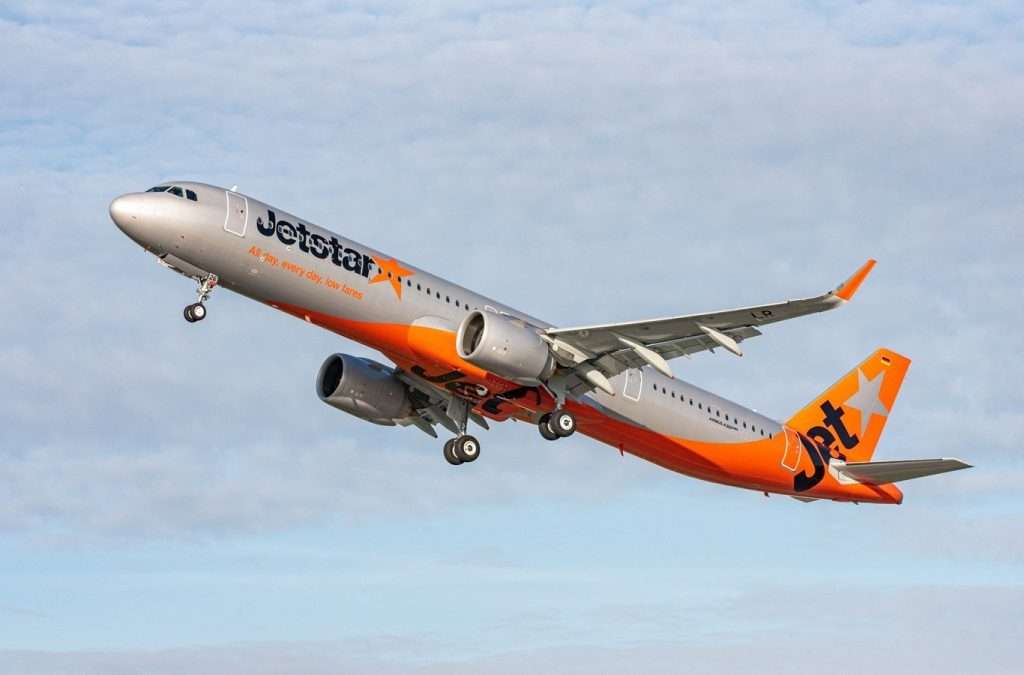
Since entering service, this variant has drastically eased pressure on their fleet of 787s and thus opened up several new route possibilities.
The A321XLR Is A Hit
Upon launch, the XLR attracted hundreds of new orders in the first week, and now, over 20 customers have committed to the jet worldwide.
Airbus describes it as a network extender, and thus, for an airline based in the United States, it opens up further travel towards, say, not just the eastern part of Europe but further to the central and western parts.
The XLR has had its fair share of concerns in 2022 and 2023. However, the plane has now received its certification and will soon enter service.
In the future, whether with Qantas or American Airlines, the plane will serve a purpose, and its presence will continue to grow across many markets.

ABOUT THE AUTHOR
Daniel Fowkes is a Melbourne-based aviation analyst and journalist with over a decade of industry experience. As founder of Dj’s Aviation, he delivers trusted analysis on aircraft, airline strategy and global aviation trends for djsaviation.net
Related Articles




Stay Informed
Get the latest aviation news, analysis and route updates delivered to your inbox.
We respect your privacy. Unsubscribe at any time.
Enjoyed this story?
Make us your go-to for aviation news
Add us as a preferred source on Google and see our latest stories first in Top Stories.
Add Us On Your News Feed