

In the 2010s, Virgin Atlantic’s reliability with the Boeing 787 was abysmal, creating multiple problems for the U.K. carrier.
The state-of-the-art aircraft, acquired with the intention of improving the airline’s operations, was instead continuously parked due to ongoing issues.
What happened with the 787 fleet, and where is the aircraft now at the airline all these years on?
Virgin Atlantic’s 787 Purchase
Virgin Atlantic purchased the Boeing 787 in 2007, a deal which saw the airline look to elevate its long-haul product and find ways to replace some of its older aircraft types, which were only becoming less efficient.
For Boeing, the sale of the aircraft to the U.K. carrier was straightforward, as it was able to demonstrate that the upcoming 787 would have substantially better fuel burn figures compared to previous-generation widebody jets.
Virgin Atlantic, which was in the process of considering its future, felt that this would be a crucial metric for analysts when making their decision.

Additionally, with an enhanced focus on the environment and reducing not just emissions but also footprint as the decades passed, these new highly efficient jets, such as the 787, became a compelling solution for airlines.
At the time of the deal, the airline committed to 15 Dreamliners, valued at $2.8 billion at list prices, marking the largest order to date for the airline.
The airline also included options for eight more of the 787-9s, followed up by purchase rights for an additional 20 of the 787s should the airline, at any point later after the initial contract signing, choose to increase its reliance, with demand growing as the years progress.
Virgin Atlantic described the aircraft as revolutionary, with its Chief Executive Officer, Steve Ridgway, at the time stating that it would bring the industry a step forward by reducing its environmental impact.

Moreover, the airline was betting on the aircraft to also bring a fresh feel for customers, thanks to its innovative design and advancements in technology, which would be unlike any other aircraft in the fleet.
Problems Begin On The 787
Unfortunately, despite all the promises made about the 787 fleet at the time of acquisition, the aircraft throughout the 2010s faced several obstacles that impacted its operations with the business.
Many would argue that most of the 787’s time with the business has been clouded by operational challenges, which were largely visible through the Rolls-Royce Trent 1000 engines.
Just a mere handful of years after taking the first delivery of the jet, the Trent 1000 began to encounter several durability concerns, and the reliability of these engines was questioned, leading to premature wear that should not have occurred.
As a result, with the turbine blades, among other areas, under scrutiny, what was described as defects prompted inspections and lengthy maintenance periods as investigators attempted to determine the cause of the issue.
787 Groundings Begin To Take Shape
With engine issues becoming a more prominent feature for the airline across the mid-to-latter stages of the 2010s, Virgin Atlantic was forced to evaluate its schedule.
For Virgin Atlantic, schedule adjustments were made as aircraft were placed on the ground for lengthy periods, and the company recognised that it would not be able to sustain operations to key markets without an adequate number of active aircraft.

To cope, the carrier looked towards the leasing market to source more aircraft with relatively quick notice so that there would be a limited impact on its customer base across key routes.
While Virgin Atlantic did work closely with Boeing and Rolls-Royce during this period, it was not smooth sailing, with groundings becoming a common occurrence; jets spent not just days but months on the ground with their engines stripped.
Despite efforts to turn to the leasing market, this was not a straightforward option, as the configuration of inbound aircraft raised concerns, creating a product mismatch that led to frustrations among paying customers who did not receive the product they had intended to purchase.
Groundings and problems that lasted months turned into years, with the issue affecting other airlines around the world, including those in Japan, such as ANA and Japan Airlines, as well as Air New Zealand on the other side of the globe.
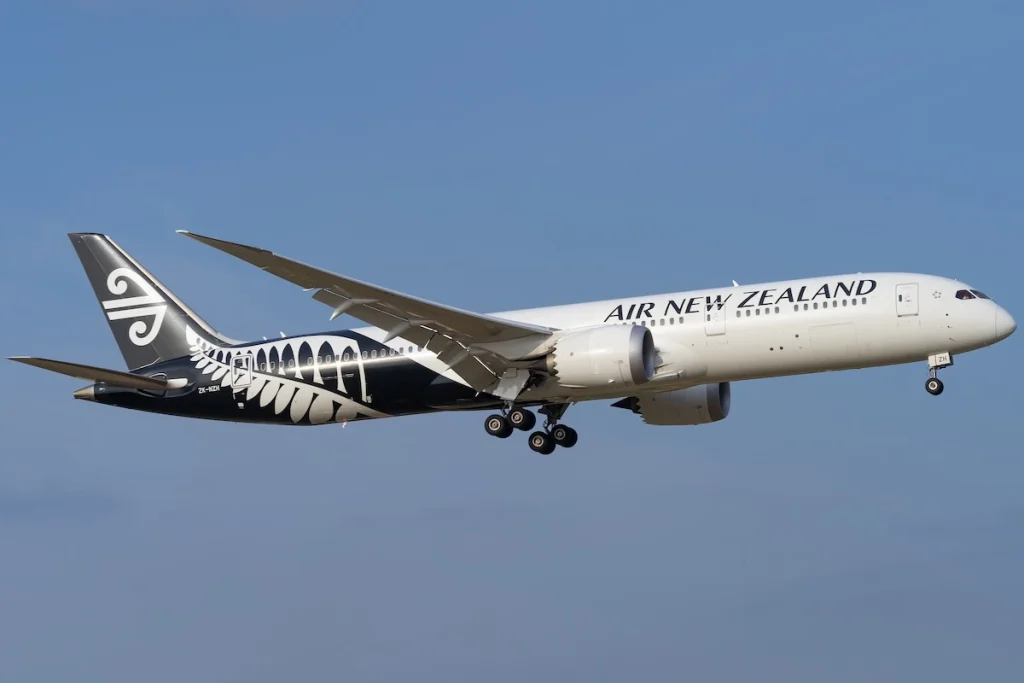
With Rolls-Royce also struggling to support the airlines, which were facing durability concerns, there was an inability to promptly examine replacement parts or engines, resulting in aircraft remaining on the ground longer than intended.
The Long-Term Impact
Unfortunately, although the grounding persisted for some time and the aircraft eventually returned to service, the disruption has still been felt at Virgin Atlantic.
Described only this year as a cycle of issues that have occurred over the past decade, the airline was forced to moderate its growth plans for 2025 due to struggles with its engines.
Looking back to the second half of 2024, the airline stated that it would take measures to revise its forecast while also minimising the impact on customers, with the understanding that some 787s may not be available for flying during specific periods.

With the first delivery of the 787 scheduled for 2014, it has now been well over a decade of struggles with this aircraft. While it may have flown by for some, it has been a troublesome decade for the airline, which should have been thriving with the aircraft.
Instead of having this new piece of equipment operate reliably, it has been an absolute basket case of emotion and drama. As a result, the carrier has not been able to extract the full potential out of the jet, a frustrating thing to come to terms with.
Virgin Atlantic’s CEO stated that they believed the Trent 1000 had not been a suitable engine, ultimately a poor choice. While the engine is not inherently unsafe, the issue lies in the excessive number of cycles.
The estimates indicate that the Trent 1000 would require running a third of the cycles of a traditional engine before needing the same level of maintenance as the 787, presenting a far from ideal picture.

ABOUT THE AUTHOR
Daniel Fowkes is a Melbourne-based aviation analyst and journalist with over a decade of industry experience. As founder of Dj’s Aviation, he delivers trusted analysis on aircraft, airline strategy and global aviation trends for djsaviation.net
Leave a Reply
Related Articles




Stay Informed
Get the latest aviation news, analysis and route updates delivered to your inbox.
We respect your privacy. Unsubscribe at any time.
Enjoyed this story?
Make us your go-to for aviation news
Add us as a preferred source on Google and see our latest stories first in Top Stories.
Add Us On Your News Feed
Very damning for RR. I imagine Henry Royce would have been more thorough before putting the Trent on the market!! On the other hand although the blade issue seems to have been resolved,the damage will not be easy to overcome
As ex Virgin Atlantic cabin crew, I am delighted you are still putting flight crew and passenger safety at the top of the list. So sorry to hear of the financial impact it has caused but your continued due diligence demonstrates why you are such a great airline to fly with. Putting safety first is paramount and hope considerations for your future fleet strategy reeps well deserved reward and success!
While I applaud Virgins strict adherence to passenger safety. I stopped flying with the airline in the late 2010s because their 787 cabins were so poor and cramped . Their customer service at the time was also well below standard . This article goes some way to explaining some of the problems that I encountered with Virgin back then but I am happy now with my alternatives so doubt that I will give them another chance