
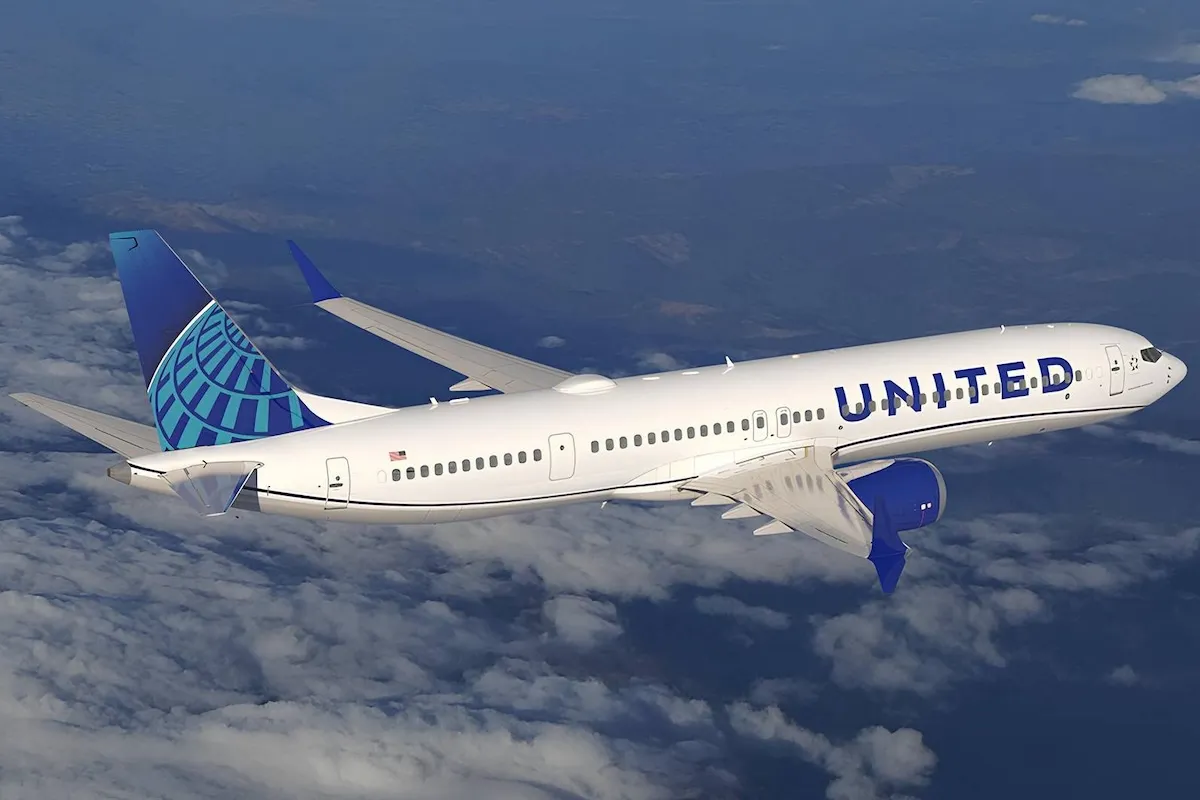
United Airlines faces a new cabin pressure issue with its upcoming delivery of the long-delayed Boeing 737-10.
As certification nears completion after the FAA approved the smallest 737-7, new hurdles surround the lie-flat seats ordered for the aircraft, which have sat in storage for more than half a decade.
The seats intended for the 737-10s were part of a cabin strategy implemented years ago, when the 737-10 was first expected to be delivered to the U.S. airline. However, since then, United has installed a different premium transcontinental product on the A321neo.
The unfamiliarity of the product among premium passengers highlights how the multi-year certification delays to the 737-10 have disrupted not just the airline’s fleet plan but also its interior strategy across the network.
Lie-Flat Seats for United Airlines Sit in Storage
Scott Kirby, United Airlines chief executive, outlined his company’s plan eight years ago to deploy the 737 MAX 10 across high-yielding transcontinental routes and fit the planes with lie-flat premium seating.
When Kirby outlined the planned deployment and interior strategy for the largest 737 MAX family member, it also came with the expectation that it would enter commercial service in 2020. Now, United Airlines is expected to begin flying the 737-10 with passengers in 2027, representing a seven-year delay similar to the 777-9.
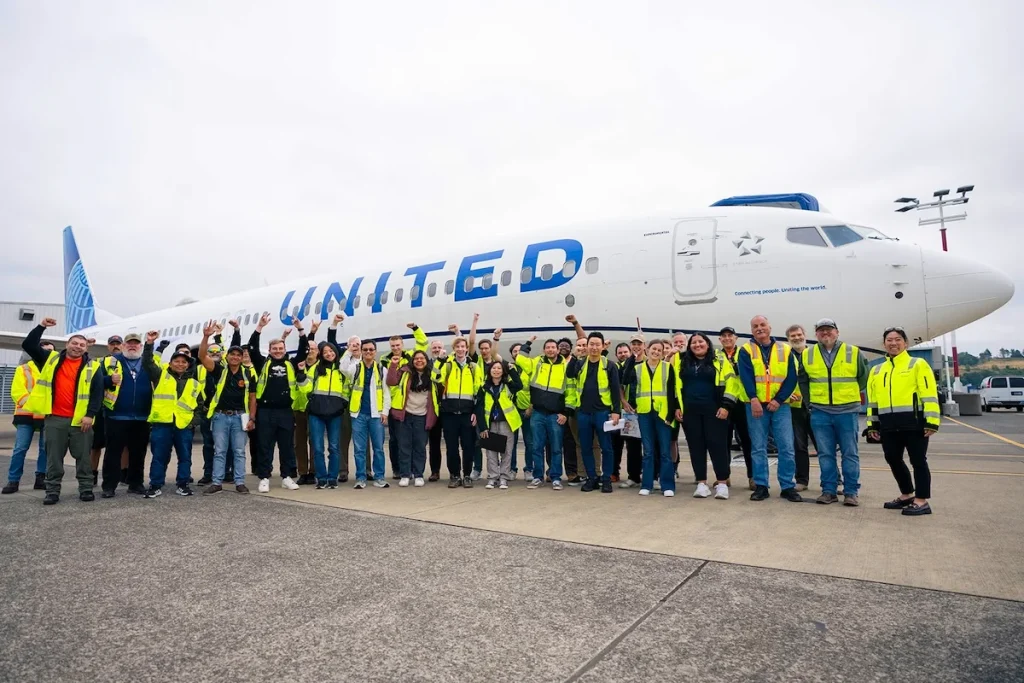
Over the years, however, this has meant United Airlines has had to hold a large batch of lie-flat seats designated for these aircraft, but without immediate use, as aircraft delivery and production have not transpired as expected. Kirby said that with such a large number of seats, they were useless because they did not fit other aircraft.
Airlines like United Airlines are methodical in designing their seat products in partnership with suppliers, and key design elements, including dimensions, locations, galleys, lavatories, and other requirements, must be considered before clearance and overall installation.
These discussions also take place years before a new aircraft enters service to ensure a streamlined installation upon delivery. The 737-10’s lack of airframe approval has negated the early preparation United Airlines did and complicated matters because the seats are not easily transferable to another narrowbody already in service.
With no 737-10 cabin layout revealed yet, the original concept is dated, having been developed before United Airlines adopted Premium Plus, adding further complexity to the seat mix.
Certification Delays Change the United Fleet Plan
The 737-10’s delayed approval has complicated seat planning, and United Airlines has also adjusted its fleet plan after years of delays and uncertainty over the handover of an aircraft expected to be critical to the next phase of single-aisle growth.
With the 737-7 certified by the Federal Aviation Administration on 3 August 2026, this was an important milestone for the planemaker in bringing an extended period of delays closer to an end.
But it still left the 737-10 without the green light it needs to move forward. Boeing is continuing to work through the remaining pillars and expects the variant to follow closely after the 737-7, provided there are no further delays.

While progress continues faster than in previous years, United Airlines has seen the delays heavily impact its own planning. The airline is expected to take delivery of more than 150 737-10s over time. However, year after year its filings have confirmed delivery pushbacks and, over time, switches to other aircraft variants that could be secured sooner.
The delays have therefore shifted a lot of the domestic premium narrowbody capacity onto the dedicated Airbus A321neo subfleet known as the Coastliner. These aircraft are equipped with 20 Polaris suites, 12 Premium Plus seats and an updated economy product for the heavy transcontinental operations.
United Airlines’ decision to deploy its A321neo in this new configuration shows the airline adapting to the situation. It has also shown how other single-aisle delays have impacted the business and forced change. Now, the airline must determine whether its original 737-10 strategy still holds up or whether the redesigned A321neo cabins and customer feedback are better suited.

ABOUT THE AUTHOR
Daniel Fowkes is a Melbourne-based aviation analyst and journalist with over a decade of industry experience. As founder of Dj’s Aviation, he delivers trusted analysis on aircraft, airline strategy and global aviation trends for djsaviation.net
Related Articles




Stay Informed
Get the latest aviation news, analysis and route updates delivered to your inbox.
We respect your privacy. Unsubscribe at any time.
Enjoyed this story?
Make us your go-to for aviation news
Add us as a preferred source on Google and see our latest stories first in Top Stories.
Add Us On Your News FeedRelated articles
· Airlines
Allegiant Air Buys Six More 737-8s From Boeing
Daniel Fowkes
26/10/2026
· Airlines
Emirates vs Qatar Airways: The Gulf Superhub Rivalry Compared
Bryan Shelmon
26/10/2026
· Airlines
Riyadh Air Is Moving Away From Riyadh
Daniel Fowkes
26/10/2026
· Airlines
Emirates Isn’t Worried At All
Daniel Fowkes
25/10/2026