

In 2020, Thai Airways grounded its Airbus A380 fleet among many other fleet types to survive the COVID-19 pandemic.
However, this was an airline riddled by financial troubles before demand dropped, putting the future of the aircraft in doubt, even if restrictions eased.
What happened with the A380 fleet? Why was it parked? Was the plane ever going to return? How is the company moving forward?
Thai Airways & The A380
Thai Airways’ relationship with the Airbus A380 began with an order in the mid-2000s for six units, a decision that saw it join a list of other esteemed global carriers committing to the world’s largest passenger plane.
Through a hub-and-spoke model originating from Bangkok, the carrier believed the A380 marked a new era for travel, addressing pent-up demand and the growing concerns associated with airports facing slot constraints.

Unfortunately, upon taking delivery of the Airbus A380, Thai Airways quickly realised that the program was more of a burden than initially thought, and turning a profit with the jet proved to be a challenge.
Only as time progressed did Thai Airways come to realise that opting to purchase the Airbus A380 may not have been the right decision.
Labelled as a mismatch, Thai Airways joined a list of airlines that attempted to leverage the scale of the A380 to their advantage, but it didn’t pan out as intended.
Thai Airways Grounds Fleet
When the COVID-19 pandemic hit, Thai Airways wasn’t as reactive during the early stages, choosing to keep the plane flying.
By, however, April 1 things had shifted, and the global situation was only continuing to worsen by the day, with demand simply not returning.
As airlines began to try to preserve their operations, Thai Airways made the tough but neccesary decision to park the A380 fleet.

At the time of parking, while no decision on its future had formally been made, there were already murmurs that the aircraft was not going to stick around for the long term.
Ultimately, Thai Airways would confirm the permanent retirement of the aircraft type in a bid to streamline, using the opportunity of zero demand to see the A380 gracefully exit.
A Possible Return To Flying?
While Thai Airways had all but confirmed the retirement of the Airbus A380, they were one of the many airlines that either mulled or moved ahead with reactivation plans.
In 2022, Flightglobal reported that the Thailand-based carrier was evaluating the prospective benefits that would’ve existed if it had moved ahead with the return of the superjumbo.
Thai Airways was specifically looking towards high-demand routes as it emerged from the COVID-19 pandemic, believing that the high-capacity nature of the quad-engined program could benefit its network.

However, these plans naturally did not move ahead; most onlookers believed the thought of returning these A380’s to service would’ve been a big mistake.
Returning the aircraft to service includes more than just flying the plane with passengers a day after reactivating it, as seen with Qantas, which called its own reactivation of the world’s largest passenger plane one of the most challenging tasks undertaken.
Not only does it take a sizeable amount of cash to get the plane back in service, which Thai Airways did not necessarily have, but it also requires significant resources to make it happen.
The A380 Fleet Up For Sale
By the mid-point of 2023, Thai Airways initiated the process of selling its then-inactive fleet of Airbus A380’s.
This occurred during a period of financial troubles; this was a move indeed not unexpected, given that the airline had decided against reactivating the program.

Thai Airways invited bidders to begin with a deposit of $50,000 per aircraft and said they wanted their expressions of interest to be completed by September 2023.
The A380 sale joined other aircraft that were also up for sale, including the already retired quad-engined jets of the Airbus A340 and Boeing 747.
During a period, as touched on, where financial struggles were occurring, there was a desire by the carrier to grow its financial position with additional cash.
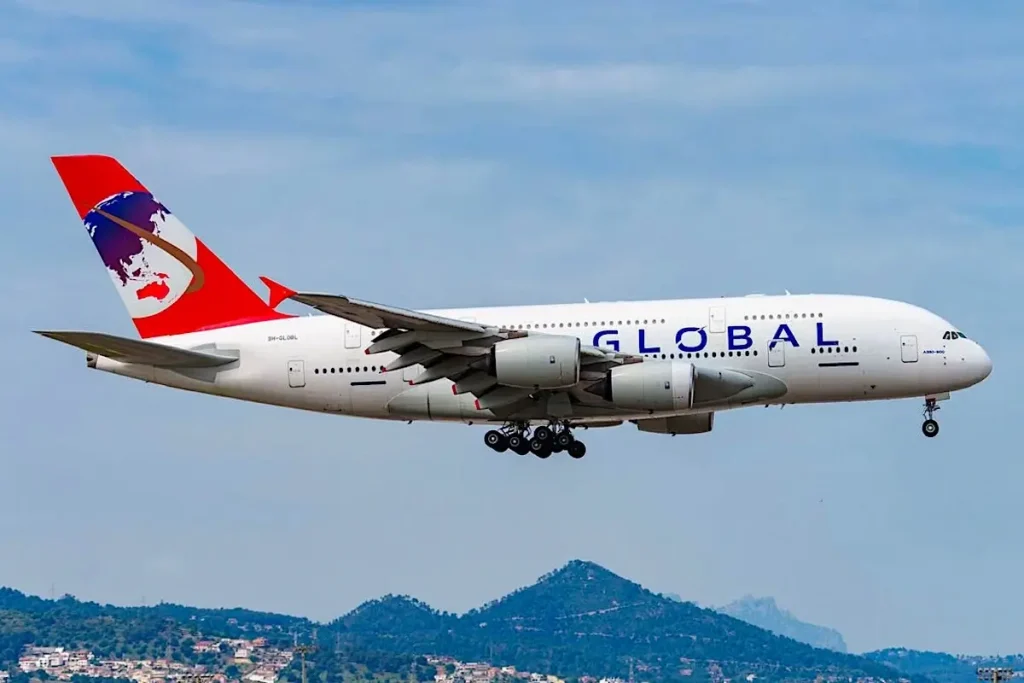
However, other than the prospective Global Airlines, which wants to launch scheduled operations with the Airbus A380 and possibly airlines seeking to keep the superjumbo and need parts, the bidders were always scarce.
A.D. and S.B. checks on the aircraft had also not been completed. If any bidder were to have been successful, they would’ve needed to fly the plane out of Thailand themselves.
A New Era For Thai Airways
Ultimately, the retirement of the Airbus A380 follows a string of decisions made by the company to streamline and become more efficient.
Nowadays, the Thai Airways fleet consists of twin-engine aircraft from Airbus and Boeing, notably featuring types such as the A350 and 787, which lead the way.
Thai Airways’ sizeable order for 45 of the 787 Dreamliners in the last couple of years, which will be delivered moving forward, is not only going to help cover for some of the retired aircraft but bring more efficiency to the business.

The carrier would argue that having a fleet with younger aircraft is crucial to driving profits, and while there have been hardships, the business is now finally primed for growth.
Ultimately, grounding the Airbus A380 during the height of the pandemic, followed by a retirement, turned out to be the right decision.

ABOUT THE AUTHOR
Daniel Fowkes is a Melbourne-based aviation analyst and journalist with over a decade of industry experience. As founder of Dj’s Aviation, he delivers trusted analysis on aircraft, airline strategy and global aviation trends for djsaviation.net
Leave a Reply
Related Articles




Stay Informed
Get the latest aviation news, analysis and route updates delivered to your inbox.
We respect your privacy. Unsubscribe at any time.
Enjoyed this story?
Make us your go-to for aviation news
Add us as a preferred source on Google and see our latest stories first in Top Stories.
Add Us On Your News FeedRelated articles
· Airlines
Allegiant Air Buys Six More 737-8s From Boeing
Daniel Fowkes
26/10/2026
· Airlines
Emirates vs Qatar Airways: The Gulf Superhub Rivalry Compared
Bryan Shelmon
26/10/2026
· Airlines
Riyadh Air Is Moving Away From Riyadh
Daniel Fowkes
26/10/2026
· Airlines
Emirates Isn’t Worried At All
Daniel Fowkes
25/10/2026
Well you kind of hope that they find it ok when and if the volume of traffic gets back and surpasses to what it was when they bought the A380,s . Because if their volume goes up dramatically,that could also do them an injustice by not having the capacity to be able to cope .
You can only hope that they would be right
In my opinion, Thai airways, still long way to go, this base of my experience; I try them in business class this year from Sydney to Istanbul 25/06/25return 28/07/25; the service, on ground, the cabin crew (uniform man and woman and the appearance for me just tired, need upgrade – the food low than ok, the drinks just ok) the plane/cabin super super old. The configuration seats just super super old, need a good clean, it make me so upset to choose them, but I got it ego, just to see how the handle the competition after COVID, I think Thai airways far away from Malaysian,Vietnam, Singapore airways, I did use that 3 carriers in business class.
Thai need to lifted their games. Just tired.
Not think they could sale this great planes. They are still rotting on the tarmac in bkk. A shame to spoil money but not surprised from thai airways.