
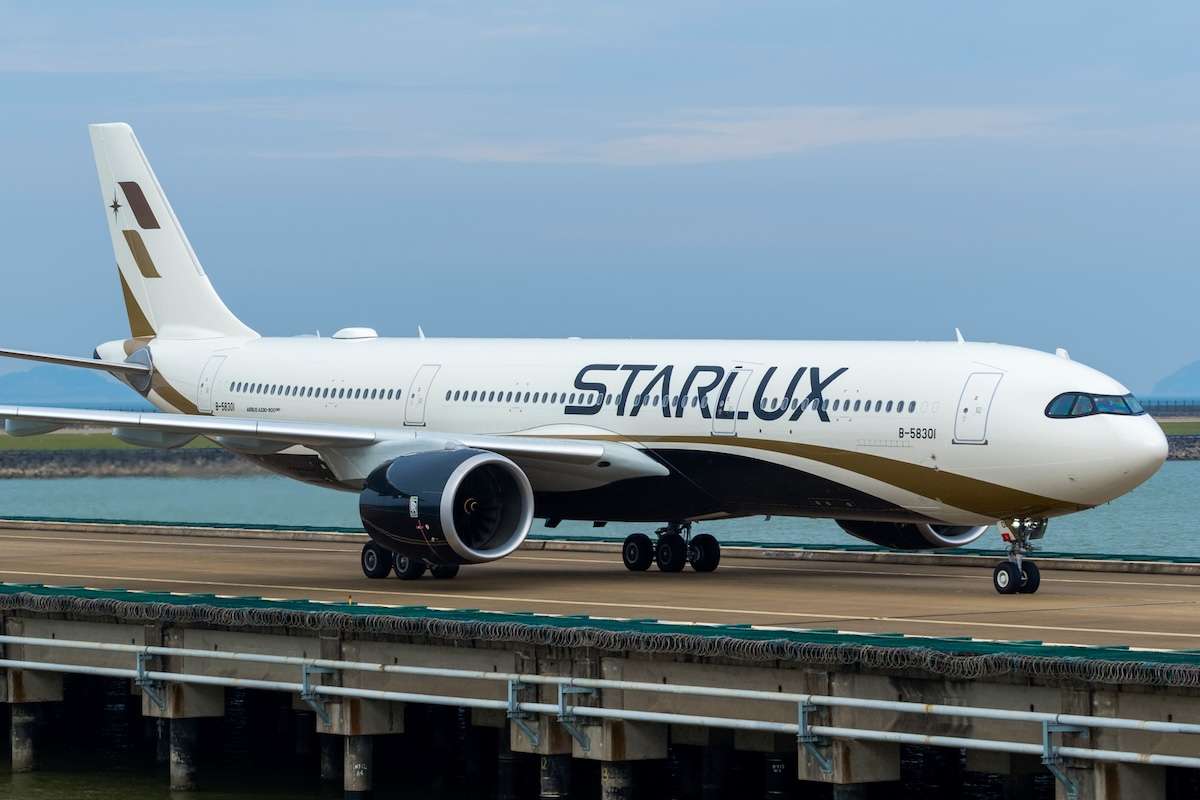
STARLUX has moved ahead with the monetization of three of its newest aircraft from the Airbus A330neo family, selling the jets.
As part of a transaction with Taiwanese lessors, FCB Leasing Co and Taishin D.A. Financo Co, the airline will ship three A330-900 jets to these lessors but will not technically remove the planes from service.
Under the agreement, these planes will be retained through a long-term lease, mirroring a strategy often used by many other airlines to free up balance sheet capital while ensuring that capacity is preserved and the schedule remains intact.
STARLUX has been expanding rapidly since its launch, positioning itself as a luxury carrier for Taiwan and broader Asia. As a result, it remains important for the business to stay stable and focus on sustainable, long-term growth.
STARLUX Builds Its Operation & Finances
Since launching in 2018, STARLUX has pursued a widebody-led growth strategy that also blends premium travel with accessibility, achieved through an all-Airbus fleet, including narrowbody jets to complement the larger jets.
The A330neo within that family has played an important role in long-term success. STARLUX is leveraging the lower acquisition costs of the smaller A350s as an efficient base to serve medium- to long-haul sectors. This is specifically pitched where demand is strong, but may not require the current largest Airbus widebody in production.

With that in mind, the airline has continued to build the A330neo’s presence, and selling three units immediately, then leasing them back to the business, allows for the realisation of capital without disrupting the network.
That near-term financial gain is exactly what the business wants to help ensure momentum can continue in growth, especially following hefty investments in the product, such as cabins and even lounges, for what is still an established airline but is attempting to target high-end demand.
STARLUX’s A330neo Role
Operationally, the A330-900 has been useful to STARLIX across a range of routes, whether based around leisure locations or medium-haul business markets. Creating that perfect blend has been important, but it comes through trial and error.
The range of these aircraft enables service to Southeast Asia, India, the Middle East and even where neccesary parts of Europe, and the cabin product attached is also top of the line. As a result, the configuration means that there’s enough premium demand to help fit markets where the A350 would be oversupplied and hurt margins.
STARLUX’s A330neos are configured in a two-class layout with 297 seats. A more premium experience is expected to offer 28 Business Class seats in a 1-2-1 layout, complemented by 269 Economy Class seats in a 2-4-2 layout at the rear of the cabin.
Not a Completely Risk-Free Option
Even with STARLUX retaining the A330neo jets, moves such as the sale of three aircraft to lessors carry risks. These types of deals add fixed operational costs and can reduce corporate margins, up to and including outright ownership.
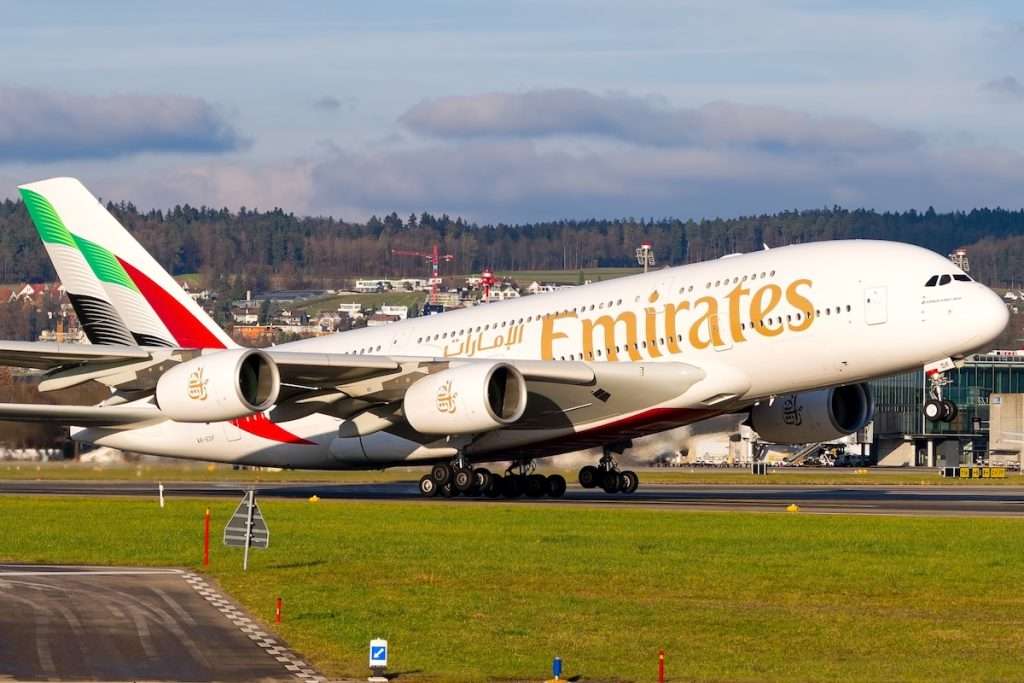
Moves expose airliens as well to demand by lessors once the initial contractual terms come to an end, if the market conditions change, or in the case of Emirates and their A380s and 777s, present a natural point of full purchase at a much cheaper cost than buying outright initially.
STARLUX needs to continue growing to make these types of moves worthwhile, and, with that, ensure that the use of the A330neo can be justified by deploying it on routes that yield returns, whether through high load factors or premium demand.

ABOUT THE AUTHOR
Daniel Fowkes is a Melbourne-based aviation analyst and journalist with over a decade of industry experience. As founder of Dj’s Aviation, he delivers trusted analysis on aircraft, airline strategy and global aviation trends for djsaviation.net
Related Articles




Stay Informed
Get the latest aviation news, analysis and route updates delivered to your inbox.
We respect your privacy. Unsubscribe at any time.
Enjoyed this story?
Make us your go-to for aviation news
Add us as a preferred source on Google and see our latest stories first in Top Stories.
Add Us On Your News Feed