
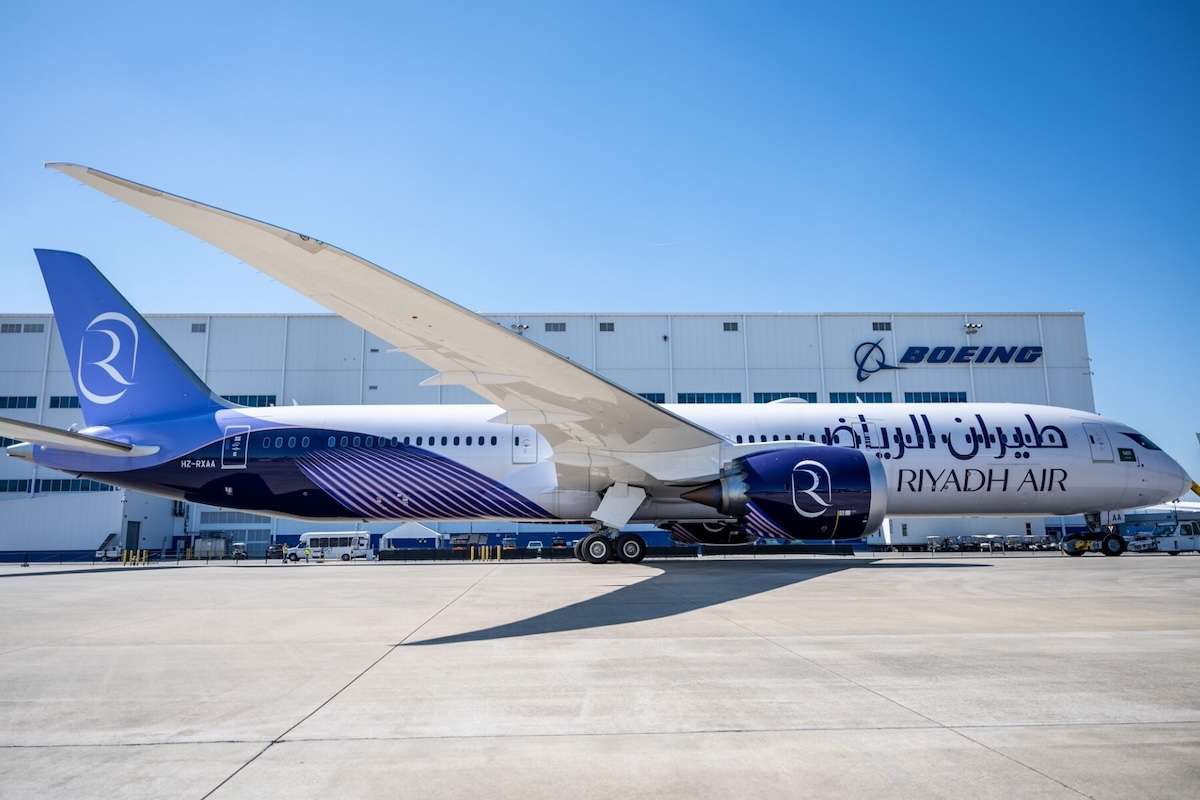
Riyadh Air‘s path to launching scheduled service to the United States has become all the more clear with the US Department of Transport (DOT) giving the start-up approval.
The approval that the Saudi carrier had been seeking will now allow them to operate flights to and from American cities in the future and represnets a clearing of a regulatory hurdle that allows such flights.
As Riyadh Air evolves its network to include more international destinations, given its ambition, it was only a matter of time before it would begin approaching the United States about launching service there.
Given that the U.S. is one of the richest long-haul markets and is tied to strong business, Government, and even leisure travel in premium cabins, there is significant appeal in what the airline can do here.
Building a global map without the United States would be sabotage, and Riyadh Air isn’t having that happen. Beyond its own appeal to the traffic market, every move is calculated and tied to the broader economic diversification currently underway in Saudi Arabia.
What The DOT Approval Means
With the DOT granting Riyadh Air the right to operate scheduled and charter services between Saudi Arabia and the United States, the DOT essentially said the airline was permitted to do so after a review.
The review followed an application lodged by the airline this year, which sparked wild speculation and reporting about the airline’s plans to offer service to the United States. The worst-kept secret is that the airline finds ways to evolve.
Riyadh Air has said it wants to fly to at least 100 international destinations by 2030, which would expand its presence in many countries, including the United States, aligning with the web of foreign carriers with which it has established relationships.
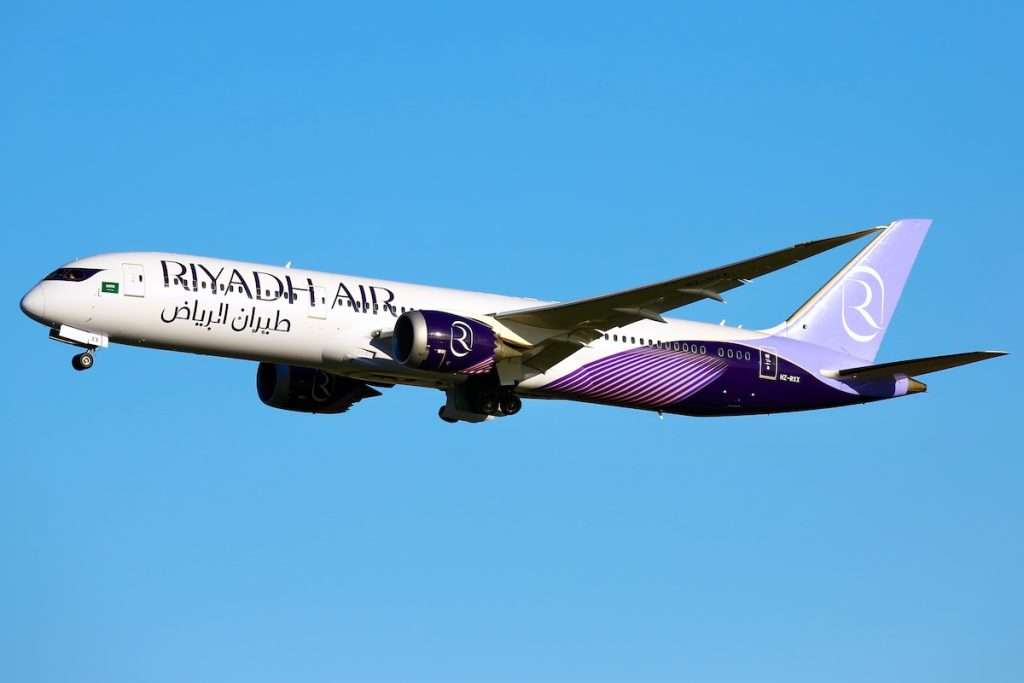
The approval now gives Riyadh Air formal clearance to begin formulating its U.S. network without restrictions. Naturally, the airline must continue its likely already-ongoing feasibility studies to determine the first US city and which slots are available to match its schedule.
However, the DOT ruling does mean there are no further political or regulatory barriers preventing the airline from offering regular passenger services. As such, it’s down to the airline to work out the first city, or cities, discuss with the airport and begin flights.
Riyadh Air Launches With The 787
Riyadh Air is still in its infancy, despite the buzz and huge ambitions for rapid growth; its early phase has now commenced with the first scheduled passenger flights using the Boeing 787 from Riyadh to London Heathrow.
Launched last week, these services were made possible by the delivery of the first production-built aircraft for the airline, part of its founding order for widebody aircraft. Delays to the 787’s delivery prevented the airline from getting up and running sooner, but now that the handovers have been completed, it’s looking to scale, and quickly.
The airline’s opening act has seen it order up to 72 Boeing 787 Dreamliners to form the initial backbone of its widebody fleet and enable routes like London Heathrow to begin, alongside others, whether long-haul or regional.
Tony Douglas, the CEO of the airline, has said he wants to be flying to 22 cities by March 2027; however, much of that will depend on the rate at which Boeing delivers Dreamliners. Speed isn’t a focus for the planemaker, not just as it seeks to implement a new standard of culture and safety, but also due to existing supply chain constraints.
While the 787s will drive growth in the early stages, the airline has also ordered the Airbus A350-1000. This high-capacity model is key to growing capacity into international markets moving forward. What is the biggest global aviation start-up in modern history will also see many A321neos as part of the building blocks for the short- to medium-haul regional fleet, where widebodies cannot be justified.
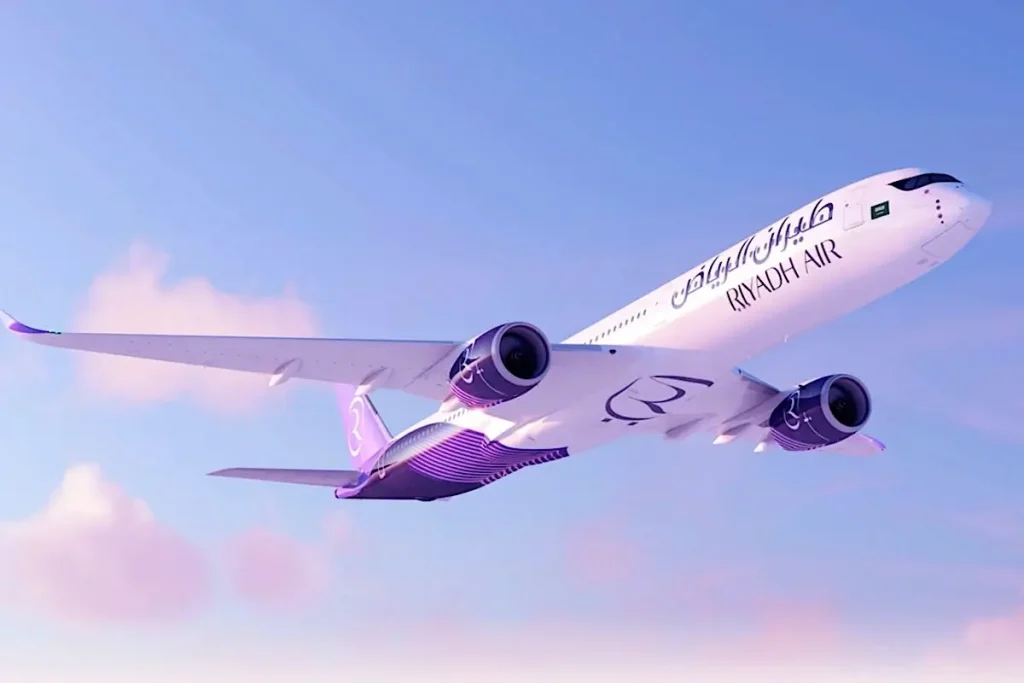
For the moment, this fleet mix, likely to scale and evolve just as the airlines’ ambitions for their long-term future do, will provide flexibility and quickly put many long-haul routes within reach, all with a full-service cabin.
Each aircraft will serve a different role, whether it’s density and premium cabins, range, short-haul perfection, and more. The mix of next-generation jets also helps keep costs down, improving the start-up’s bottom line.

ABOUT THE AUTHOR
Daniel Fowkes is a Melbourne-based aviation analyst and journalist with over a decade of industry experience. As founder of Dj’s Aviation, he delivers trusted analysis on aircraft, airline strategy and global aviation trends for djsaviation.net
Leave a Reply
Related Articles




Stay Informed
Get the latest aviation news, analysis and route updates delivered to your inbox.
We respect your privacy. Unsubscribe at any time.
Enjoyed this story?
Make us your go-to for aviation news
Add us as a preferred source on Google and see our latest stories first in Top Stories.
Add Us On Your News FeedRelated articles
· Airlines
Allegiant Air Buys Six More 737-8s From Boeing
Daniel Fowkes
26/10/2026
· Airlines
Emirates vs Qatar Airways: The Gulf Superhub Rivalry Compared
Bryan Shelmon
26/10/2026
· Airlines
Riyadh Air Is Moving Away From Riyadh
Daniel Fowkes
26/10/2026
· Airlines
Emirates Isn’t Worried At All
Daniel Fowkes
25/10/2026
It’s interesting to see Riyadh Air expanding like this. I wonder how the service will compare to others.