
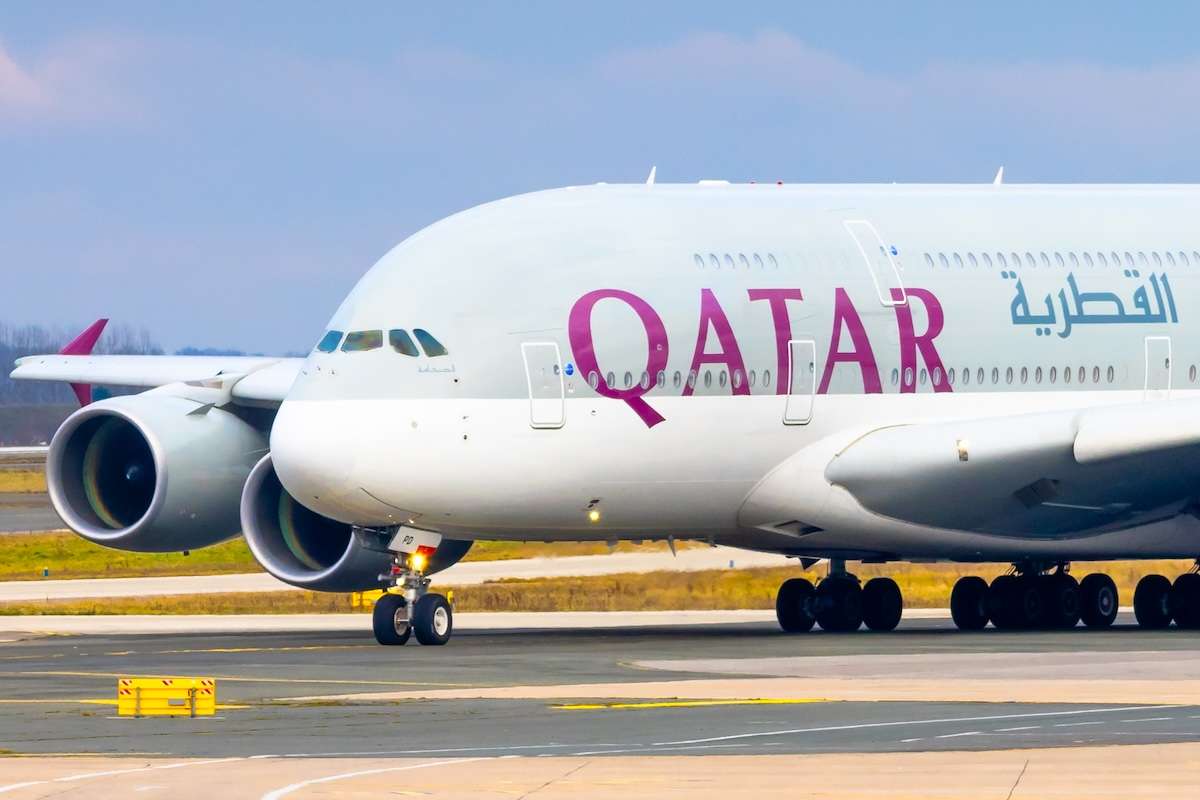
Qatar Airways is slated to conclude Airbus A380 operations to Australia and Singapore as part of a shift in how it chooses to operate the world’s largest passenger
Flagged by Simple Flying, with thanks to Cirium, the airline has made schedule adjustments over the last week, shifting the A380 away from specific markets.
What Qatar Airways Is Changing
Under previous schedules, the Airbus A380, which was grounded earlier this year following the outbreak of conflict in Iran and the reduction of operations, was scheduled to operate daily to Sydney Kingsford Smith, then to Singapore Changi.
The A380-800’s deployment to Singapore Changi from Hamad International Airport was brief during 2026, with just a few departures at the beginning of the year, after which service shifted to the A350-900 and A350-1000. However, the intent was clear: to see the superjumbo return to service from 16 September 2026.
Now, the airline will not reinstate Airbus A380 service; instead, the A350-900 and A350-1000 will continue to be used, giving the airline flexibility and, while offering fewer seats per flight, the opportunity to ensure schedules can be aligned for onward connectivity and for peak leisure and business travellers.
Over in Australia, the Airbus A380 was a staple on services to Sydney Kingsford Smith and, once upon a time, was also seen in Melbourne and Perth, before the quad-engined superjumbo became so heavily frowned upon by the business and the COVID-19 pandemic decimated international travel.
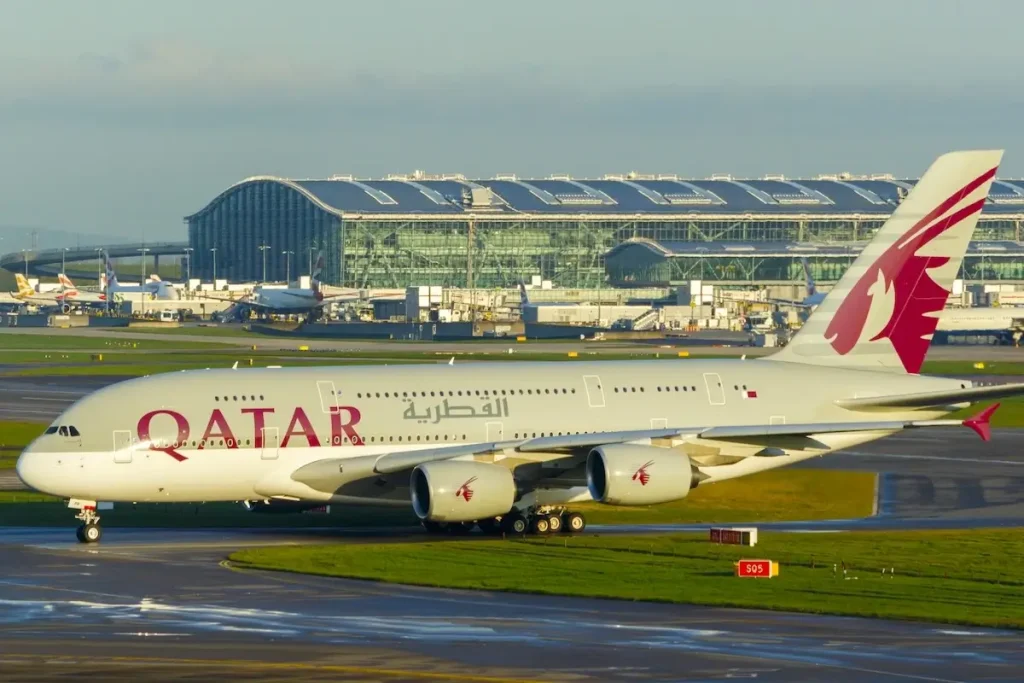
Sydney will, instead of welcoming the A380 back, revert to the Boeing 777-300ER, which will cut overall capacity per flight compared to the superjumbo and mean the dedicated First Class cabin will no longer be present on the route.
For Singapore and Sydney, it also means fewer business-class seats; the trade-off results from the Airbus A380 not being deployed to these two premium cities. However, that doesn’t mean a return won’t ever be possible.
Qatar Airways has long held reservations about the long-term use of the Airbus A380. Still, its mini-comeback has been significant enough to prompt more global cities to welcome the jet back following the pandemic. As demand continues to evolve, it would be impossible to rule out the jet returning to these markets, but for now, the return won’t proceed as planned.
Qatar Airways’ Complicated A380 Relationship
Qatar Airways’ decisions regarding the Airbus A380 will always come under a fine microscope, certainly driven not just by the superjumbo’s stature but also by the lengthy battle the airline has had with the aircraft and its complicated relationship with it.
Over time, and at the height of the COVID-19 pandemic, the former CEO, Akbar Al Baker, publicly declared that there was no future for the aircraft. He went so far as to say that the commitment it made to the model could be seen as one of the worst fleet decisions in the company’s history.
Baker put pressure on the fuel burn aspect and environmental footprint, which made it less favourable than other, more efficient models. These comments are from the back of the year prior to documented interest in the prospect of an A380neo, which would address some airlines’ complaints about efficiency; however, this model never launched.
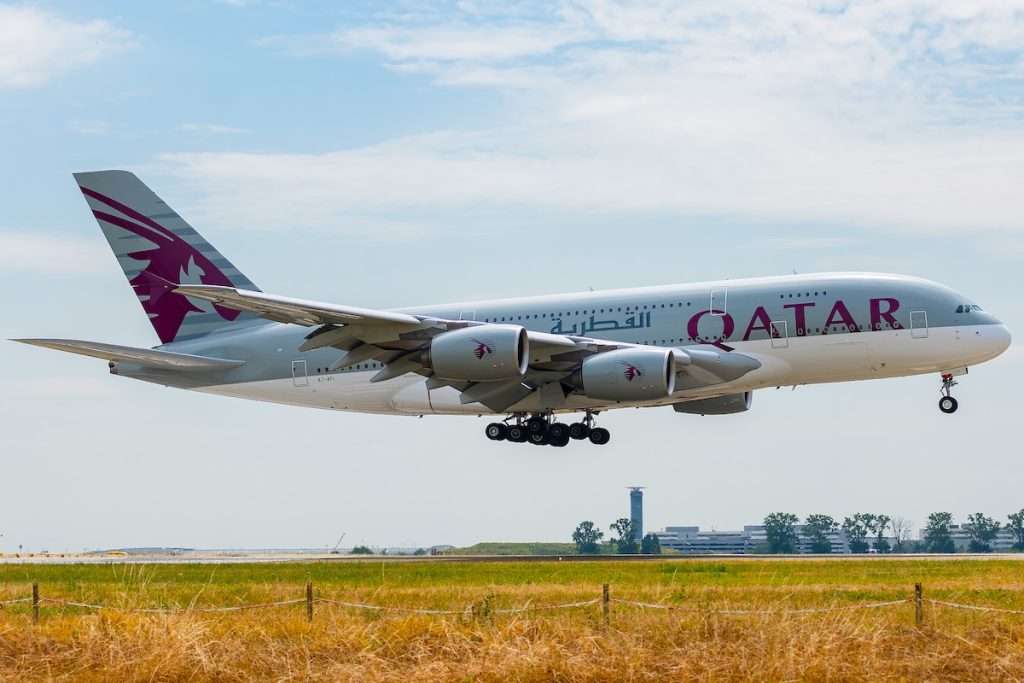
During the COVID-19 pandemic, Qatar Airways parked its A380 fleet and had no intention of bringing the model back, going so far as to retire the aircraft for good. That was until demand surged, and with Airbus and Boeing struggling to deliver new planes, airlines were left scrambling to meet it.
For the Doha-based carrier, the A380s presented themselves as an easy short- to medium-term fix for capacity pressures. That return has since seen the aircraft deployed across many markets worldwide, including Sydney, Paris, and Bangkok.
Now, while the A380 isn’t viewed as something that’ll remain in the network forever, its role will certainly last longer than first imagined, in a yo-yo-type moment where a future once not present has now arrived. With that said, the A380 remains flexible and its shift away from Sydney and Singapore, while not worth it, certainly doesn’t have to be permanent.

ABOUT THE AUTHOR
Daniel Fowkes is a Melbourne-based aviation analyst and journalist with over a decade of industry experience. As founder of Dj’s Aviation, he delivers trusted analysis on aircraft, airline strategy and global aviation trends for djsaviation.net
Leave a Reply
Related Articles




Stay Informed
Get the latest aviation news, analysis and route updates delivered to your inbox.
We respect your privacy. Unsubscribe at any time.
Enjoyed this story?
Make us your go-to for aviation news
Add us as a preferred source on Google and see our latest stories first in Top Stories.
Add Us On Your News Feed
Did they mention which routes are affected? Always interesting to see how airlines are adjusting their fleets.