
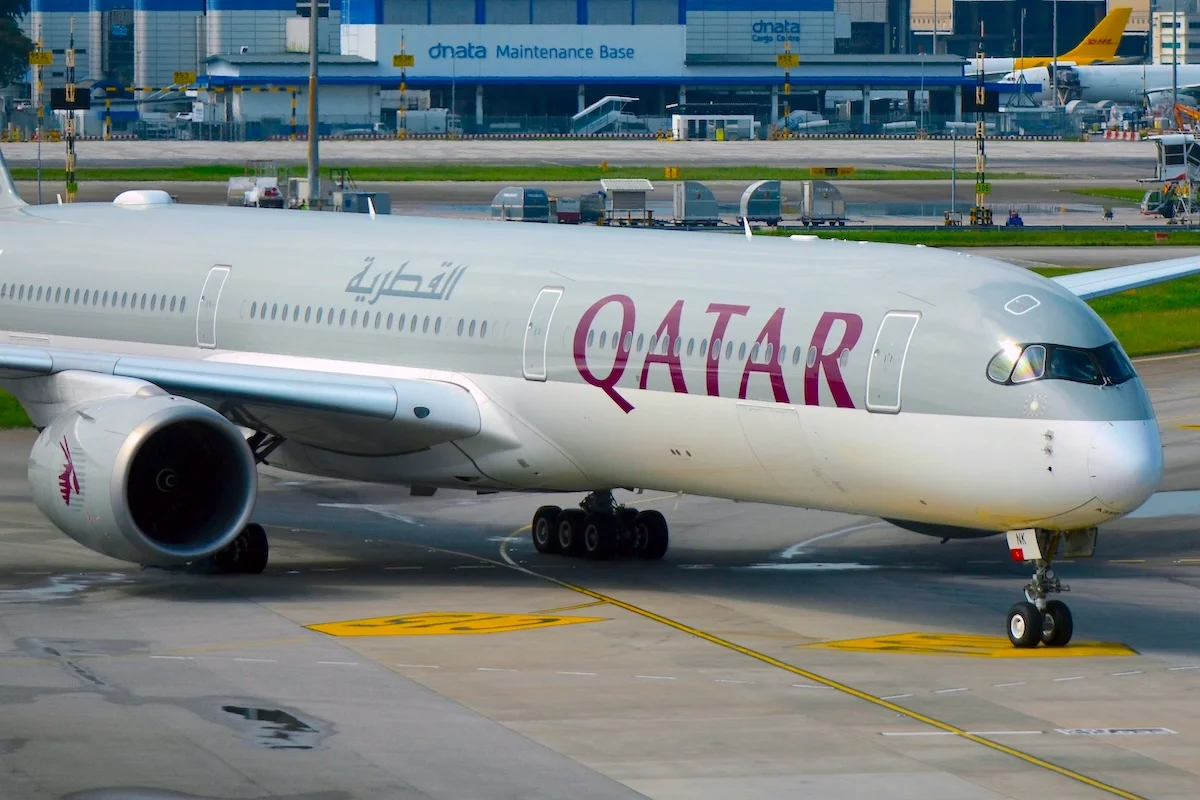
Qatar Airways is trimming capacity to the United States for its Northern Winter 2026/27 schedule, and with it come changes to the Airbus A350 operation.
As the airline has battled throughout 2026 with the persistent need to adjust its frequencies, the near-term is expected to be no different, with all U.S. gateways to be served but with changes.
The Changed Winter Pattern To The US
Based on the Doha-based carrier’s latest schedule filing for 16 September 2026 through 24 March 2027, there will be several reductions, mostly involving the Airbus A350, across the United States from its hub in Doha.
Daily service to Atlanta will be reduced to four weekly flights, all on the A350-1000, but the shift represents a significant drop in seat count. That will also be seen in Boston, with daily service on the A350-900 dropping to four a week.
On the West Coast, Qatar Airways is shifting its Los Angeles service from daily down to four times a week with the A350-1000, the high-capacity Airbus jet still serving the route pairing. Miami will see a small trim, with 10 flights a week dropping to a daily rotation of 7.
Furthermore, while changes are happening, the Doha-based carrier is keeping other North American routes steady. That will include the daily Boeing 777-300ER service to Chicago O’Hare and the double-daily Dallas-Fort Worth service operated by the A350-1000.
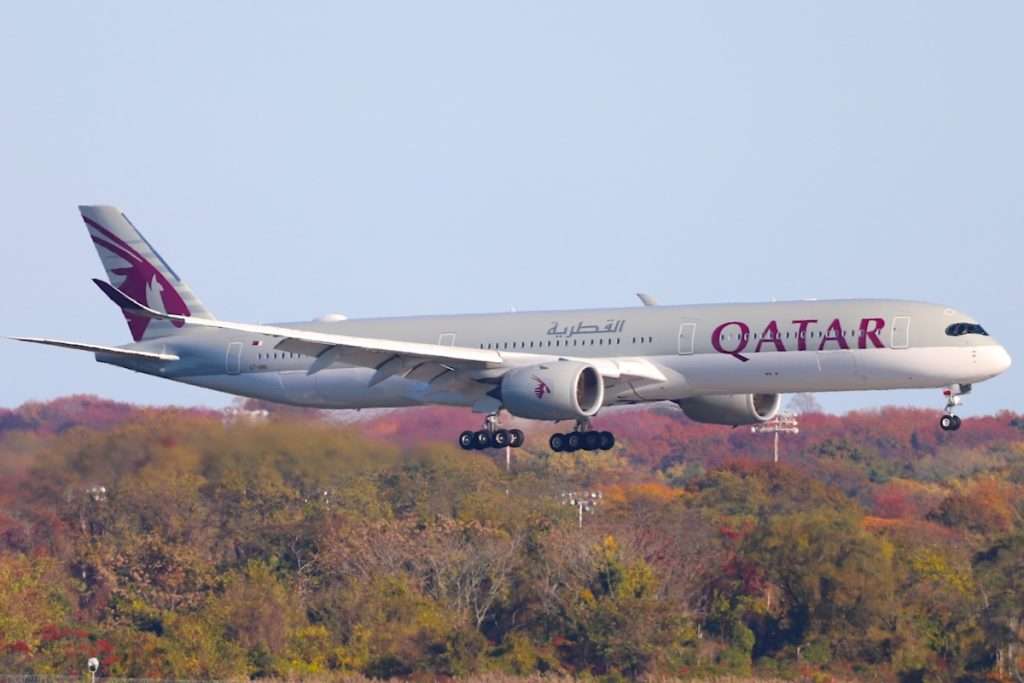
Qatar Airways remains committed to offering daily A350-1000 flights to Houston, with Montreal and Toronto seeing daily A350-1000 service across the border in Canada. The network remains steady, with Philadelphia and Seattle receiving daily flights on the A350-900 and 777-300ER, respectively.
For the company, however, the reductions represent a near 7% one-way departure axing in the winter season compared with previous plans. However, the changes align with previous decisions made by the airline centred around capacity management.
What Happens For Qatar Airways Travellers?
For U.S passengers, the changes being made by Qatar Airways are noticeable. At the same time, there will still be service at a normal frequency to core hubs like New York and Washington, but there will be fewer non-stop opportunities to other cities.
It’s the likes of Los Angeles, Atlanta, San Francisco, and Boston where travellers will see fewer flights and thus fewer seats weekly. Busier flights are therefore possible, with itineraries requiring more flexibility and possibly one stop through another U.S. city and then a transfer to a partner network.
Qatar Airways’ changes, however, flag a shift from maximum frequency to a more preserved approach to serving the United States after what has been a challenging year driven by heightened geopolitical complications and other fleet constraints.
Every major market change during the winter season isn’t permanent; it’s a mere schedule shift. However, how demand shifts in the coming months and how geopolitics develop will be important in determining what frequencies will look like by Summer 2027 and then the Northern Winter 2027/28 season.

ABOUT THE AUTHOR
Daniel Fowkes is a Melbourne-based aviation analyst and journalist with over a decade of industry experience. As founder of Dj’s Aviation, he delivers trusted analysis on aircraft, airline strategy and global aviation trends for djsaviation.net
Related Articles




Stay Informed
Get the latest aviation news, analysis and route updates delivered to your inbox.
We respect your privacy. Unsubscribe at any time.
Enjoyed this story?
Make us your go-to for aviation news
Add us as a preferred source on Google and see our latest stories first in Top Stories.
Add Us On Your News Feed