
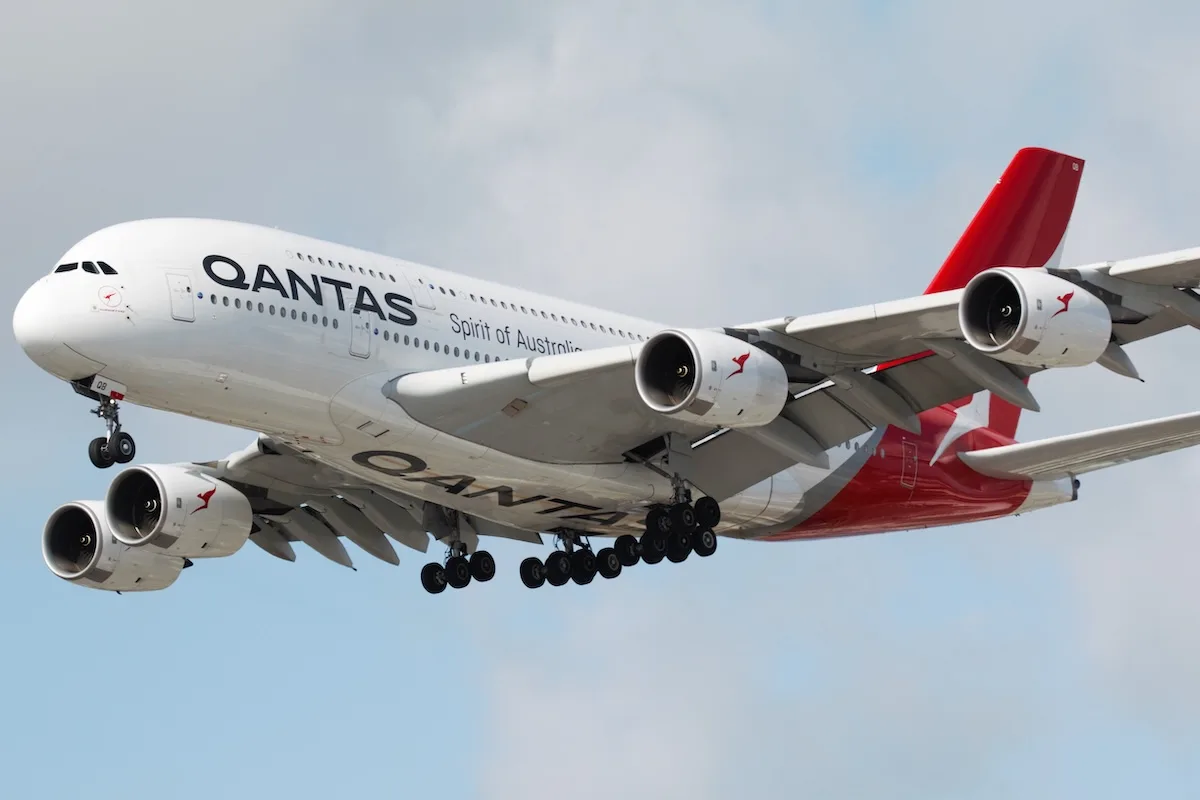
Qantas has found itself in controversy again after reports flagged it was exploring a plan to move as many as 1,000 jobs offshore to India as part of a partnership with Accenture.
Now, the Australian airline is pushing back on this reporting, saying no decision has been made, while stopping short of denying the claims.
The reports first circulated in the Australian Financial Review, where it was referred to internally as Project iQ, a focus on marketing, finance, human resources, and other back-office functions, with those jobs shifted to India to cut costs further.
Those reports claimed that Qantas executives were expected to travel to India as part of negotiation efforts, adding weight to the possibility that the outsourcing plan will go ahead.
Cost advantages and access to large offshore service teams are helping drive a shift corporately to locations like India, and Qantas’ reported move aligns with the use of AI and consulting support to modernise and lower outgoings.
For Australia, these reports were not just about the scale of jobs expected to be outsourced, but the reconfiguration of the model that sees further jobs no longer remain in-house and are shifted offshore where the cost is dramatically less.
The reported plan therefore would closely fit the corporate trend that aims to support work at lower-cost service centres, and that is more prevalent across the aviation landscape. Still, equally, these moves are sensitive and controversial.
Qantas Pushes Back At India Claims?
Qantas’ public response has sought to reaffirm that it is continuing to explore methods and means to enhance the utilisation of its own technologies and AI. The view is that, through these studies, it can improve outcomes for the people that matter most: its customers and employee base.
More importantly, though, Qantas hasn’t completely ruled out outsourcing positions to India, instead opting for a diplomatic approach to the reporting, stating that while in preliminary discussions with Accenture nothing has been agreed and no decision has been reached.
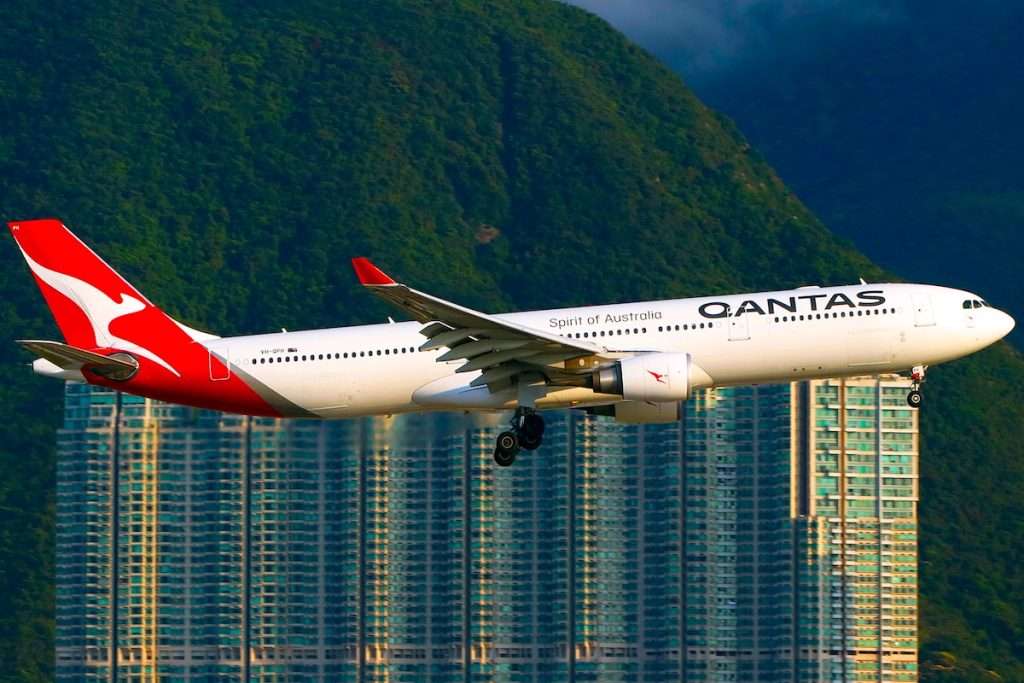
Qantas therefore isn’t confirming that 1,000 jobs will move offshore, but at the same time it has made no assurances that the jobs will stay in Australia either. Partnership discussions are ongoing, and as a consequence, possible operational changes would come with them, and Qantas appears, based on these talks, keen to continue progressing with this.
Why So Much Controversy Around This?
Outsourcing positions is sensitive irrespective of the company or industry involved, but Qantas is not just any large employer and holds the title of Australia’s flagship airline. Therefore, its moves matter, from decisions around jobs to especially the location and outsourcing.
Qantas has taken many beatings to its brand over the last decade through past executives’ mistakes, and the reputational damage has been, according to some analysts, too severe to be easily repaired. With the business already offshoring Australian jobs, it is a quick way to undo all the previous work to restore public reputation after other unrelated controversies.
From a business perspective, the logic is easy to sell: airlines facing intense competition and cost pressures, only made worse in 2026 with fuel volatility, now have tighter margins. Those pressures mean that investments in digital systems and automation, while driving down costs, are pivotal.
If Qantas can push back office roles to India in what would be a cheaper and more efficient model, this is an easy solution and deserves some examination. Unfortunately, it’s only the airline that would be okay with such a move; chaos has ensued since reporting emerged, with the public descending on the company.
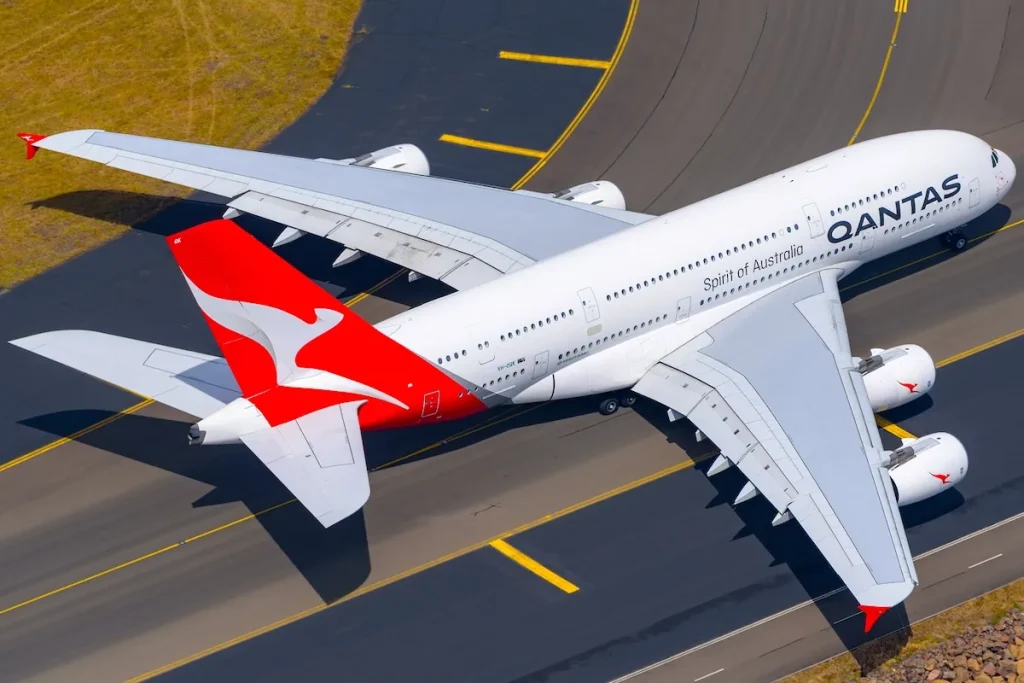
Even if the plan is scaled back, or never implemented, the controversy and mere reporting is revealing and damaging in itself. This shows that the Australian carrier, the country’s flag carrier and once source of pride, on top of its other changes this decade, isn’t hesitating to scrap jobs.
There are reported discussions, and Qantas has confirmed preliminary talks are ongoing, including with AI at the centre, but no decision has been made. The damage, though, is essentially done, and if the airline moves forward with offshoring 1,000 jobs, any work conducted in the last 24 months to restore public trust will have been eroded within minutes.

ABOUT THE AUTHOR
Daniel Fowkes is a Melbourne-based aviation analyst and journalist with over a decade of industry experience. As founder of Dj’s Aviation, he delivers trusted analysis on aircraft, airline strategy and global aviation trends for djsaviation.net
Related Articles




Stay Informed
Get the latest aviation news, analysis and route updates delivered to your inbox.
We respect your privacy. Unsubscribe at any time.
Enjoyed this story?
Make us your go-to for aviation news
Add us as a preferred source on Google and see our latest stories first in Top Stories.
Add Us On Your News FeedRelated articles
· Airlines
Allegiant Air Buys Six More 737-8s From Boeing
Daniel Fowkes
26/10/2026
· Airlines
Emirates vs Qatar Airways: The Gulf Superhub Rivalry Compared
Bryan Shelmon
26/10/2026
· Airlines
Riyadh Air Is Moving Away From Riyadh
Daniel Fowkes
26/10/2026
· Airlines
Emirates Isn’t Worried At All
Daniel Fowkes
25/10/2026