

The Federal Aviation Administration has ordered inspections of Boeing 737 MAX jets after cracks were found in structural reinforcements on older-generation 737s.
As part of the latest directive from the FAA, an estimated 471 U.S.-registered 737s have been included in the push for review, with 1,429 aircraft affected worldwide, but no cracks have been found on the MAX so far.
The new airworthiness directive follows previous reporting that indicated the regulator was following up on reports and would, early this month, decide whether to move ahead with a formal airworthiness directive or handle the matter in another way.
Taking effect on 10 September 2026, it requires affected jets to be inspected, but not grounded, and will cover selected Boeing 737-8, 737-9, and high-density 737-8200 aircraft. The directive does not cover the entire MAX family, including the 737-7 and 737-10.
The Boeing 737 MAX Issue Explained
The concern involves the bear strap, a sheet-metal structural reinforcement beneath the fuselage skin and around the door openings and emergency exits.
As part of the FAA’s directive, there has been a specific desire to address the upper forward-most corner of the forward galley door cutout, which is on the right side of the aircraft as well. The inspections are not the result of a confirmed MAX-specific issue, but of reports involving other 737-family aircraft.
Cracks have previously been reported in the same area across certain Boeing 737 Next Generation aircraft, including the 737-600, 737-700, 737-800, and 737-900ER.
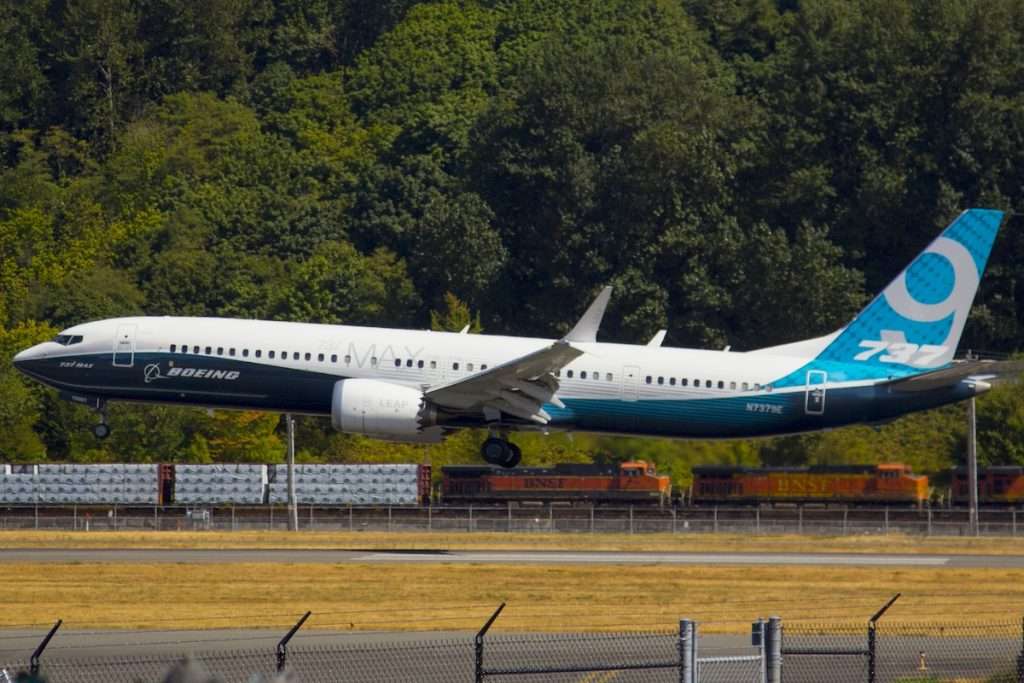
The FAA has found that the structure is exposed to repeated loads as the type is pressurised and depressurised during each flight cycle, including take-off and landing. As a result, across a high number of flight cycles, it has been determined that stress can concentrate around those same door corners and fasteners, leading to fatigue and cracking.
While the MAX family has faced heightened scrutiny in recent years, it does not have a confirmed cracking problem. The FAA concluded that the MAX could be susceptible because it shares a similar design and production standard to the earlier 737NG family.
With this in mind, Boeing began recommending inspections on the affected 737NG jets before 2020; that precaution then extended to MAX operators in 2024. These recommendations were precautionary, as no confirmed cracking issue had been identified on the MAX.
Here’s What Airlines Will Need To Do
The FAA’s directive now requires operators to inspect the fuselage skin around the affected door area for signs of cracking or damage.
Depending on the age, condition, and maintenance history of the 737 MAX models being inspected, more detailed checks may be required; these would include high- and low-frequency eddy current inspections to detect cracks in the skin, fastener holes, or underlying bear straps.
If cracking is identified, the 737 MAX would need to be repaired using an FAA-approved method before the aircraft could return to service. The directive also requires repeat inspections at intervals as flagged in Boeing’s own service bulletin.

ABOUT THE AUTHOR
Daniel Fowkes is a Melbourne-based aviation analyst and journalist with over a decade of industry experience. As founder of Dj’s Aviation, he delivers trusted analysis on aircraft, airline strategy and global aviation trends for djsaviation.net
Related Articles




Stay Informed
Get the latest aviation news, analysis and route updates delivered to your inbox.
We respect your privacy. Unsubscribe at any time.
Enjoyed this story?
Make us your go-to for aviation news
Add us as a preferred source on Google and see our latest stories first in Top Stories.
Add Us On Your News FeedRelated articles
· Analysis
· Airbus
· Aircraft
· Boeing
Airbus A350-1000 vs Boeing 777-9: The Next-Gen Widebody Matchup
Bryan Shelmon
22/09/2026
· Aircraft
· Airbus
· Boeing
Airbus Confused By Boeing’s New Aircraft
Daniel Fowkes
18/09/2026
· Aircraft
· Boeing
Boeing May Not Launch The 797?
Daniel Fowkes
15/09/2026
· Aircraft
· Boeing
Boeing Scrapped A Brand New 777X
Daniel Fowkes
13/09/2026