
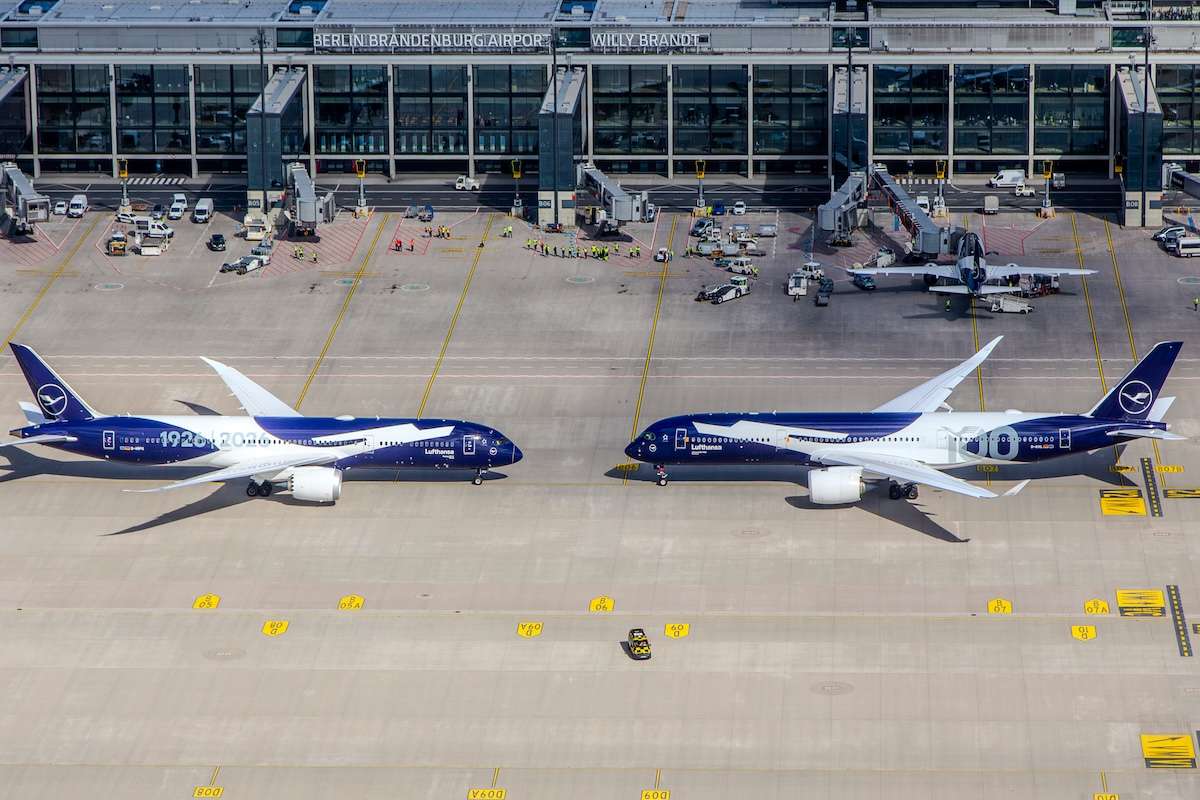
Lufthansa Group’s new commitment for 10 Airbus A350-900s and 10 Boeing 787-9s is the next step in the ongoing renewal efforts, vital to the turnaround of many businesses that call this Group home.
In a $7.7 billion transaction, the deal presents fresh opportunities within the Group for future aircraft deployment and gives Airbus and Boeing another boost to their widebody program backlogs.
A New Order Comes To Light
The transaction from Lufthansa Group followed the Supervisory Board’s approval of the purchase, and, following a decision by Executives, deliveries for the 20 aircraft are to occur between 2032 and 2034.
As these planes are added to the backlog, the Group’s total order book now stands at 232 aircraft, and the mix of planes indicates exactly how airlines are expected to benefit, with a staggering 107 of the jets being widebody jets.
Lufthansa Group has orders for long-haul jets, part of the next generation of offerings, ranging from the A350-1000, which is yet to debut in the Group, to the 787 and A350, and even the upcoming Boeing 777-9 will feature at German flag-carrier Lufthansa to help replace older quad-engined types.
The A350-900 and 787-9 are safe bets for airlines within the Group and are already known thanks to existing relationships and use cases. This means their efficiency and flexibility will be felt seamlessly from 2032, when the new batch begins delivery.

CEO Carsten Sphor said that this is a deal that also invests in the future, a sustainable future where the quieter nature of these planes and advanced technologies not only benefit the airlines that operate them but also the customers. This comes as customer expectations for what flying should be like grow, come the next decade and beyond.
Strategy At The Heart Of The New Order
Lufthansa needs planes to help replace inefficient aircraft, these legacy types that have been a pillar for decades but are now hurting amid soaring fuel prices and other costs to operate increasing.
Every time the Group continues to use these older planes, the margins are progressively eroded, and this doesn’t help with recovery, profitability, or ultimately achieving net-zero ambitions. It’s the older models, like the A340, that consume significantly more fuel than newer planes and also come with dated cabin products.
The Group has attempted to stabilise its operations despite ongoing economic volatility, with scheduled cost reductions taking shape to save money. While stability was achieved last year, 2026 hasn’t offered the same comfort, with challenges persisting, whether it’s the war in Iran or labour disputes, which have driven expenses to skyrocket.
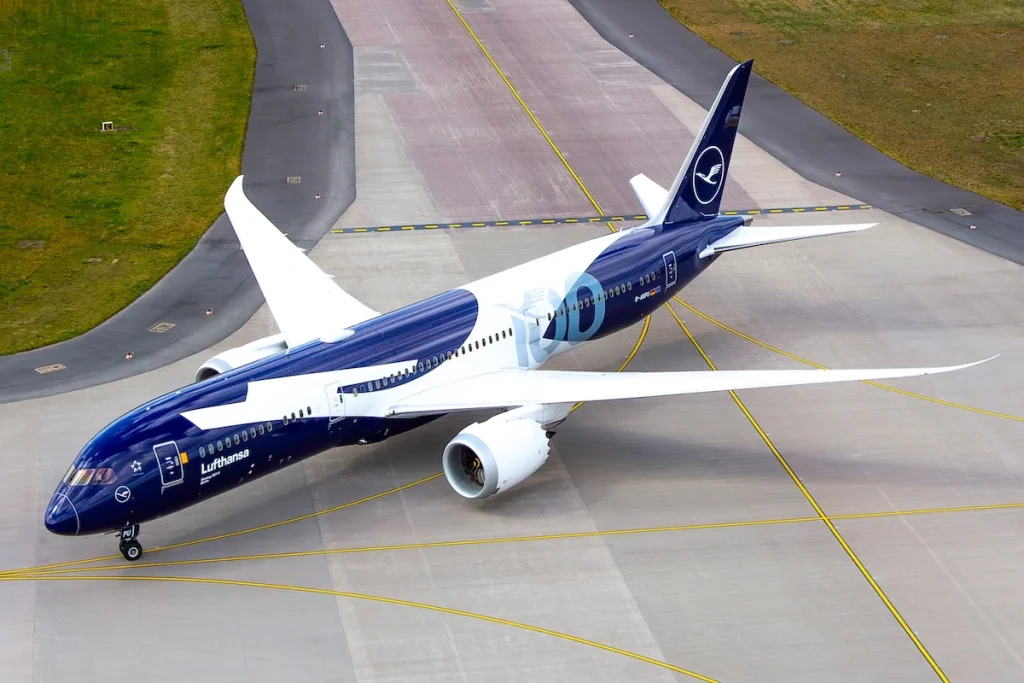
Now, choices are more important for managing rising costs. These new twin-engine jets enable cost savings over older planes and halve net emissions on the way to net-zero by 2050. The newer planes, in a way, attempt to offset soaring costs in other areas of the Group that are plaguing margins, stemming from the current inefficient and more complicated fleet mix.
The consolidation of sub-fleets means that, for crew training, such as aircraft type ratings, fewer types give the Group more flexibility to deploy and hire crew as neccesary, without a hefty back catalogue of fleet types, both big and small.
Sustained profitability demands many things to go right, but certainly one pivotal element is the use of next-generation aircraft, with the latter stages of the 2020s requiring that turnaround take effect. These new planes from the mid-2030s, paired with other arrivals, should fuel a new phase for the business.
The Impact On The Fleet
This order not only further supports the future of the Lufthansa Group but also accelerates the historic renewal underway, reducing widebody types from 13 to single figures by the turn of the next decade and yielding millions per annum in fuel savings. These forecasts are based on figures before the Iran conflict.
Operational stability will also be visible across the fleet, with these new inbound jets, not just existing ones but ones to be delivered over time, being comfortably more flexible than older models, meaning that whether it’s medium-range flights or long-haul, they operate differently from the rigid usage of dated quads.
While not at the capacity levels of the 747 or A340, these next-generation jets still enable premium opportunities, whether it’s Allegris-configured jets that have been rolling out on 787s across Lufthansa after niggles in launch, or other opportunities across airlines.
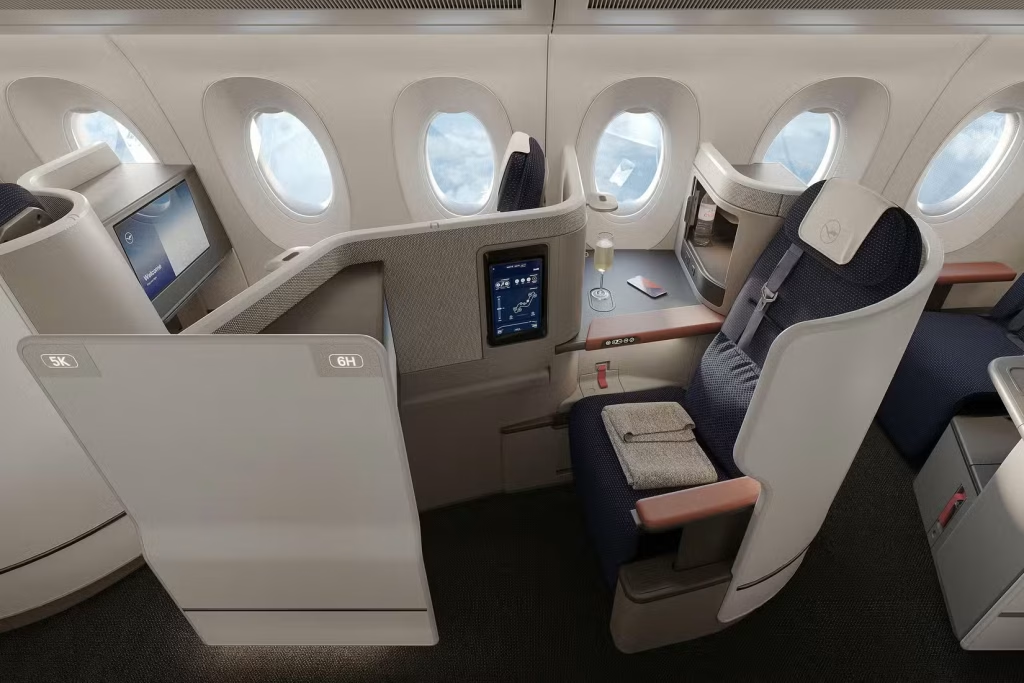
The planes are younger, fresher, and come with technological advancements that mean, for customers, more than just new state-of-the-art premium cabins: jet lag is reduced, lighting features are improved, and there’s more overhead storage for carry-ons. Less noise, less presusre on hub airports, and more are all defining factors in these new purchases too.
Lufthansa Group Eyes Deployment In The 2030s
With new widebodies comes the chance to strategically choose where these 20 planes are deployed, paired with the already 200+ that form part of the orderbook. The space between a first delivery and an order means there is ample opportunity to assess, review, and best determine placement, with the final decision not having come at the announcement and not expected anytime soon either.
Logically, the Airbus A350 already flies with many airlines across the Lufthansa Group, from the German flag-carrier to SWISS; the -900 model has bolstered service at hubs such as Frankfurt, Munich and Zurich on some of the densest routes.
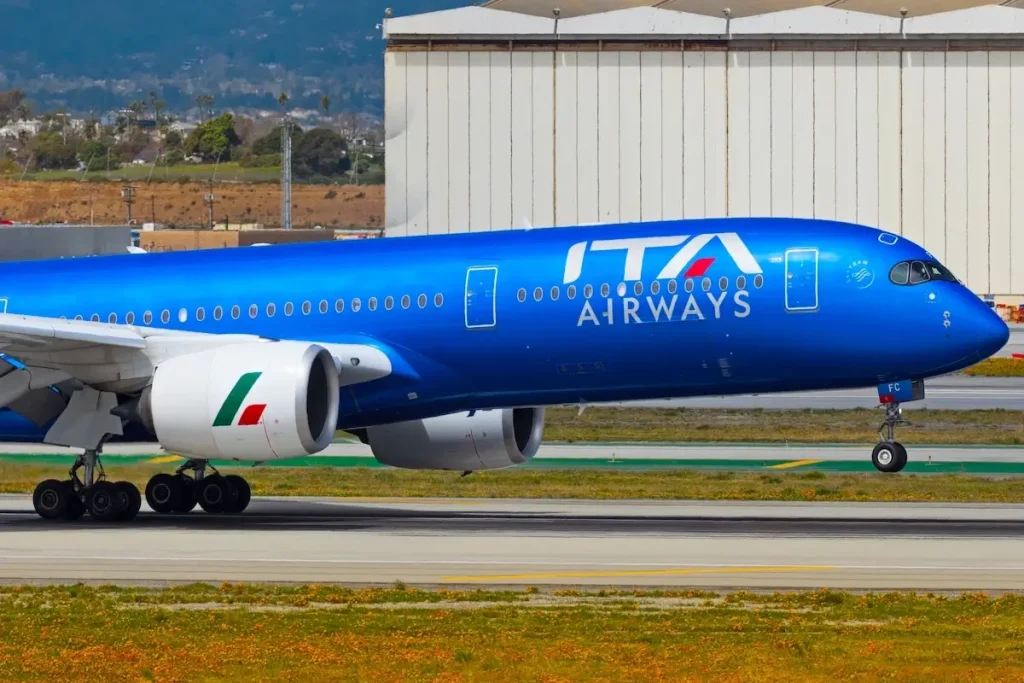
However, there are other opportunities, such as the newly acquired ITA Airways, which, in April, spoke about its future under the Lufthansa Group and suggested it needed more aircraft, such as the Airbus A350, to take the next step in fleet growth.
Lufthansa, as part of a recent review of operations and restructuring, said it would take on fewer A350s than expected in its own backlog. Instead, sending more aircraft to the leisure arm of Discover Airlines. This is another avenue that could stand to benefit.
Ultraq long-haul opportunities may also present themselves with cuts, such as to South America and Australia, as Finnair has done with its own service launch to Melbourne, and British Airways’ return.
An Order That Aims To Rebuild The Group
Ultimately, especially for the German flag carrier Lufthansa, it’s deals like these that continue to help build toward a full recovery from the lows of the COVID-19 pandemic, when mass cancellations, layoffs, and groundings were hot topics of conversation, as well as problems created long before that.
Now, stabilisation is important for the remainder of the decade, but continued external crises have threatened tangible progress in turnaround efforts. The axing of airlines, aircraft, employees, and more is all part of efforts to cut expenses; one area that isn’t being cut is the commitment to new aircraft types.
As consolidation continues, these 20 new aircraft represent an opportunity to move forward positively and, upon delivery, be in the hands of a changed Lufthansa Group, having long since said goodbye to the troublesome 2020s.

ABOUT THE AUTHOR
Daniel Fowkes is a Melbourne-based aviation analyst and journalist with over a decade of industry experience. As founder of Dj’s Aviation, he delivers trusted analysis on aircraft, airline strategy and global aviation trends for djsaviation.net
Related Articles




Stay Informed
Get the latest aviation news, analysis and route updates delivered to your inbox.
We respect your privacy. Unsubscribe at any time.
Enjoyed this story?
Make us your go-to for aviation news
Add us as a preferred source on Google and see our latest stories first in Top Stories.
Add Us On Your News Feed