
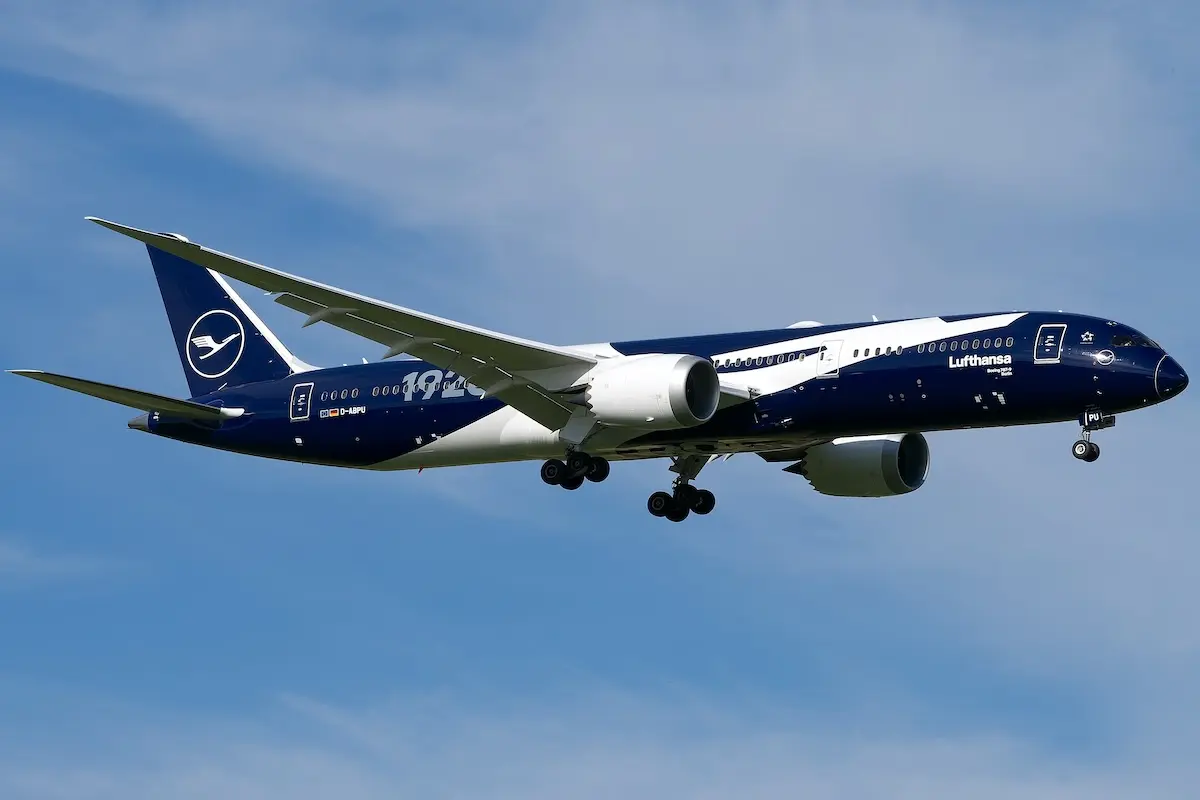
Lufthansa has issued another warning that its earnings are under significant strain, as pressures have upended forecasts for 2026.
The group has now narrowed its 2026 profit outlook and admitted that the German flag carrier and its core operations will face further pressure that could drag results even lower.
While demand has been solid and revenue remains strong, as reported, this is a theme industry-wide and, for some time, has not eased concerns that cash may not be keeping pace with surging costs.
Profit Warnings Continue For Lufthansa
In its latest update, Lufthansa has said that it now expects full-year adjusted EBIT of €1.7 billion to €2.2 billion. That range is not just narrower but weaker than earlier guidance in which it had pointed to profit that would be significantly above the prior year.
However, as 2026 has progressed, it has been made abundantly clear this will not be possible, with second-quarter adjusted EBIT falling to €383 million from €870 million a year earlier, a sharp decline in more than half a year.
While Lufthansa has several areas of pressure, the headline problem in 2026 has been fuel. Entering the year, airlines could not have anticipated the conflict that broke out at the end of February. The attacks on Iran and subsequent outbreak of conflict in the Middle East not only impacted fuel supply but also added instability to the market.
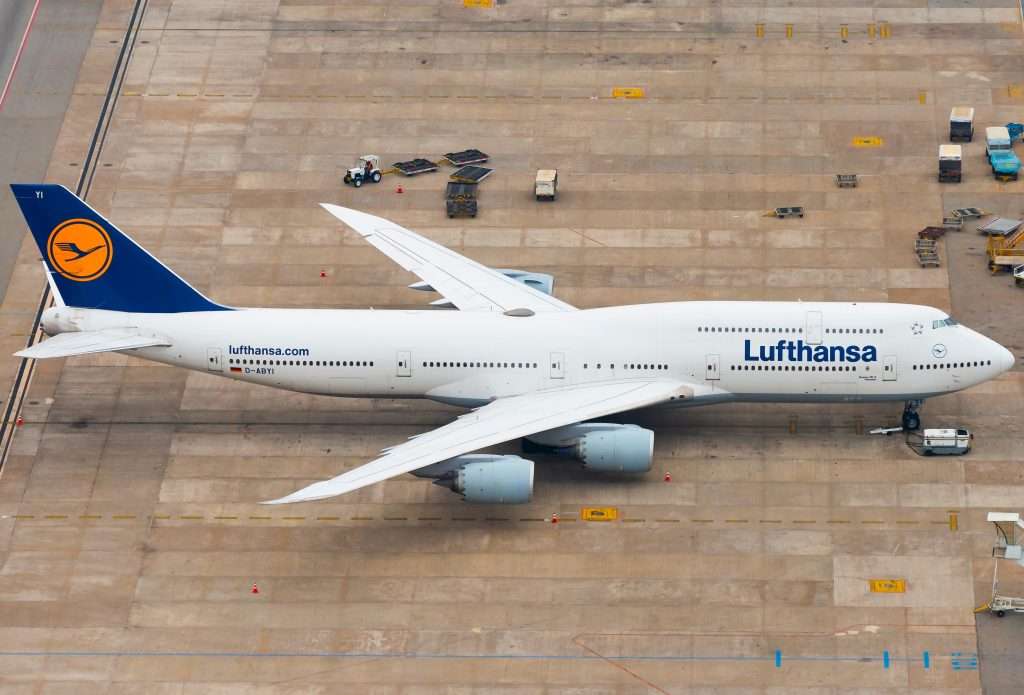
Lufthansa has warned on several occasions that its annual fuel bill is of great concern. It expects the bill to rise by around €1.7 billion and is very likely to rise higher than this if conflict and pricing are sustained. Management has said the latest shocks to the energy market and supply chain haven’t eased either as the year has progressed, only intensifying.
Despite being diligent and hedging roughly 80% of the annual fuel, the burden of higher prices is still weighing on the bottom line. The German flag-carrier was already vulnerable before the latest shock and therefore less well placed to absorb it.
While fuel prices have been a cause for concern, Lufthansa has also grappled with years’ worth of employee disruption, with strikes. Those walkouts have this decade necessitated many new contracts be agreed, all of which represent pay increases and improved terms, in turn adding to the bill the airline fronts every quarter without the same rate of revenue increase to cope.
Lufthansa Tries To Protect Itself With Change
Despite the cost pressures, Lufthansa warns of further profit slides and years in the negative; it hasn’t been sitting still during this phase; instead, it has been proactive about making changes.
To protect profitability wherever possible, the airline hasn’t been afraid to trim and restructure its network. Earlier in 2026, it removed nearly 20,000 short-haul flights from its schedule across the Northern Summer 2026 season to reduce fuel burn and shed underperforming routes.
While a blunt move, the airline needed to do this to offset the rising cost pressures. The changes kept coming, with the decision to move forward one year earlier than planned, including the immediate closure of Lufthansa CityLine in April, grounding aircraft and slashing regional connectivity.
All these changes, cost pressures, and more have seen Lufthansa earn a reputation as the group’s problem child within the big cohort of airlines in Europe. While the group is profitable, its German mainline operator has been unable to control the outgoings at the pace revenue is increasing.
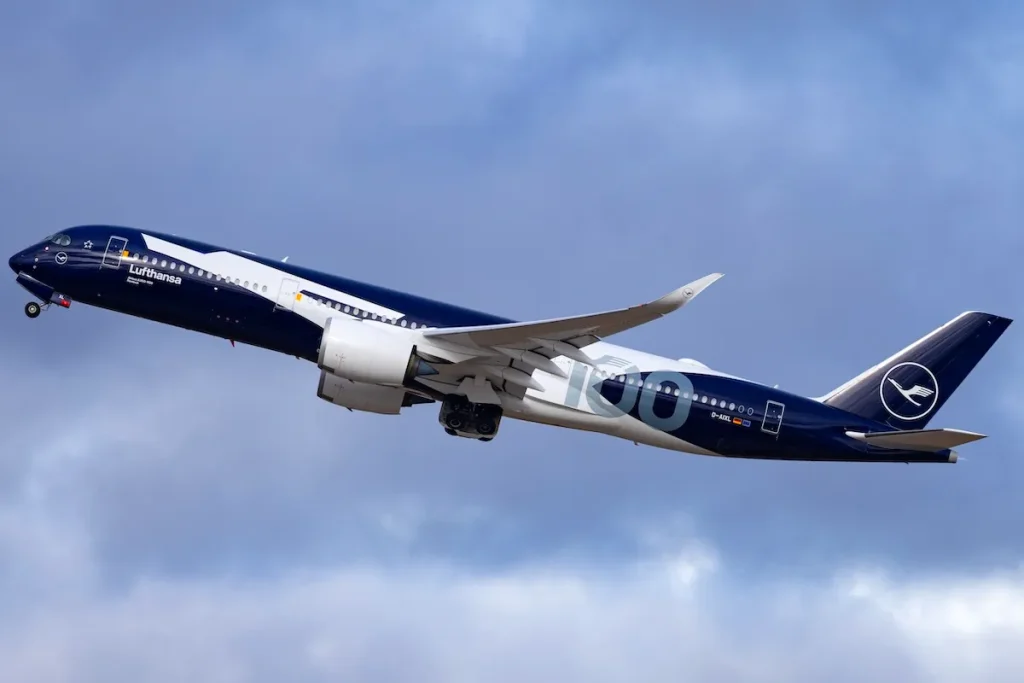
Finding markets that are earning more has been one step taken to relieve pressure, and continuing to transition to newer planes is another long-awaited investment finally seeing returns. However, management is aware of the pressure, and the danger is that if fuel volatility remains high and the gap between demand and profitability increases, the ability to invest will become further strained and slow down the road to stability.
Beyond the need to achieve financial stability, Lufthansa has also seen its brand reputation take significant hits over the last decade. A once-esteemed carrier in Germany and Europe has admitted that missteps have hurt how it’s perceived. Investment across external and internal areas has been vital to changing the view, but if finances are poor, that cannot happen at the pace intended and thus damages the image.

ABOUT THE AUTHOR
Daniel Fowkes is a Melbourne-based aviation analyst and journalist with over a decade of industry experience. As founder of Dj’s Aviation, he delivers trusted analysis on aircraft, airline strategy and global aviation trends for djsaviation.net
Related Articles




Stay Informed
Get the latest aviation news, analysis and route updates delivered to your inbox.
We respect your privacy. Unsubscribe at any time.
Enjoyed this story?
Make us your go-to for aviation news
Add us as a preferred source on Google and see our latest stories first in Top Stories.
Add Us On Your News FeedRelated articles
· Airlines
Allegiant Air Buys Six More 737-8s From Boeing
Daniel Fowkes
26/10/2026
· Airlines
Emirates vs Qatar Airways: The Gulf Superhub Rivalry Compared
Bryan Shelmon
26/10/2026
· Airlines
Riyadh Air Is Moving Away From Riyadh
Daniel Fowkes
26/10/2026
· Airlines
Emirates Isn’t Worried At All
Daniel Fowkes
25/10/2026