
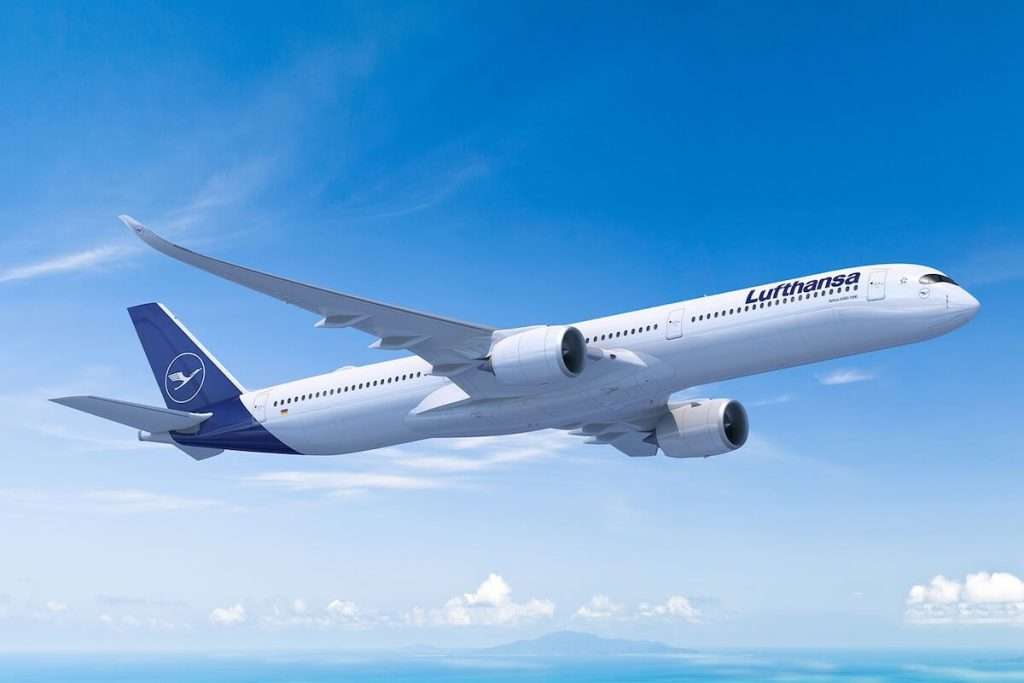
Lufthansa is set to place another aircraft order, with a shopping spree planned for 2027, according to recent reports.
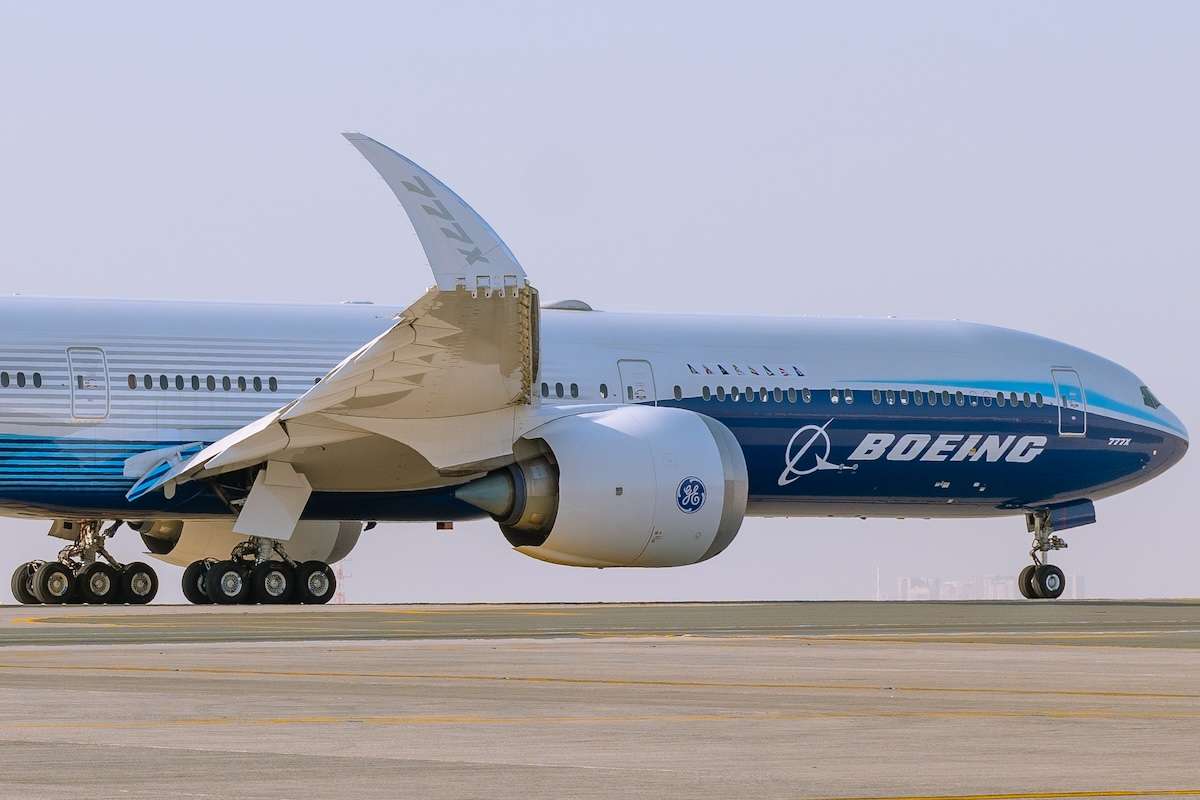
What is part of a big campaign flagged by Aviation Week, the Group is preparing to push for additional Boeing 777X or Airbus A350-1000 orders to overhaul the widebody fleet and network in the coming decades.
Both types are already part of the Lufthansa backlog, with neither having yet to see its first units delivered, and a fresh order would further push the business to rely on twin-engine jets for international flying.
A350 vs 777X For Lufthansa
According to reports, Lufthansa is already working towards this follow-up order, likely to be placed in 2027, with a keen eye on two options from Airbus and Boeing: the A350-1000 and 777-9, the two highest-capacity models produced by each planemaker.
As 777X deliveries are planned for 2027 based on certification of the aircraft, and the A350-1000s will follow and ramp up as the decade comes to a close, it’s a changing of the guard for the German flag-carrier, which has so heavily relied on quad-engined models.
Lufthansa has pursued a dual strategy for its big twins’ future, ordering the 777X and the A350-900s, which it later supplemented with the A350-1000. These models together can cut fuel burn by almost 25% compared to outgoing quads like the 747 and A340.
With the interest out in the open, it’s Airbus and Boeing who now must work closely on what is described as a significant transaction intended to secure the company’s widebody and long-haul flying for decades to come.
Why These Two Aircraft Options?
Lufthansa’s interest in the two types is driven by the size and performance of the products on offer and, in part, by the lack of available options for high-capacity flying, as these two models represent the pinnacle.
The Boeing 777-9 is the largest twin and can carry in excess of 400 passengers. It’s the best option for replacing the 747-400 and A340-600s on denser trunk routes and will significantly improve efficiency and margins.
As the launch customer, Lufthansa has been front and centre for much of the delays and certification frustration, but now it is in a position where the expected 2027 delivery has held firm, and plans are well underway for the jet’s debut and for it to find its role as the backbone.
The A350-1000 is a new addition, but Lufthansa is no stranger to the family, with the A350-900 already flying. The order for this high-capacity variant gave the airline an alternative to the 777-9 and another high-capacity jet with different economics and fit within the network.
Both of these models are large, have a strong range and efficiency, come with the latest modern cabins, and are ideal for denser routes that the German flag carrier would be looking to fly. As a consequence, for the business when seeking a new, larger plane, these two units battling make the most sense.
Will The 777X or A350-1000 Replace Anything?
Replacement for Lufthansa is a big part of any decision it makes, with a fleet that has long been too complicated and includes too many fleet types. The mission has been to reduce the number of aircraft models present and to streamline operations to improve margins.
This strategy has been aggressive with the intent to retire older widebodies as soon as possible. Those plans were derailed during the COVID-19 pandemic and throughout this decade due to supply chain woes and the late delivery of the next-generation jets; however, they are intended to replace the outgoing models.
With the phasing out of the A340-600, A330-200, A340-300, 767-300, 777-200, and 747-400 across the entire Group, and a lot at Lufthansa themselves, there will be a need to replace these jets with more efficient alternatives and not lose out on capacity either on routine pairings.

Lufthansa wants not just widebodies to improve overall capacity. Still, it needs to continue the transition towards newer jets, bring down costs, and ensure not just that adequate replacements are in the backlog, but, more importantly, that delivery slots are lined up into the next decade to prepare for growth.
As the German flag-carrier continues to chart a course for recovery on multiple fronts, including brand reputation, finances, and more, these large-scale decisions and investments will shape the business for decades to come and thus cannot be taken lightly.

ABOUT THE AUTHOR
Daniel Fowkes is a Melbourne-based aviation analyst and journalist with over a decade of industry experience. As founder of Dj’s Aviation, he delivers trusted analysis on aircraft, airline strategy and global aviation trends for djsaviation.net
Related Articles




Stay Informed
Get the latest aviation news, analysis and route updates delivered to your inbox.
We respect your privacy. Unsubscribe at any time.
Enjoyed this story?
Make us your go-to for aviation news
Add us as a preferred source on Google and see our latest stories first in Top Stories.
Add Us On Your News FeedRelated articles
· Airlines
Allegiant Air Buys Six More 737-8s From Boeing
Daniel Fowkes
26/10/2026
· Airlines
Emirates vs Qatar Airways: The Gulf Superhub Rivalry Compared
Bryan Shelmon
26/10/2026
· Airlines
Riyadh Air Is Moving Away From Riyadh
Daniel Fowkes
26/10/2026
· Airlines
Emirates Isn’t Worried At All
Daniel Fowkes
25/10/2026