
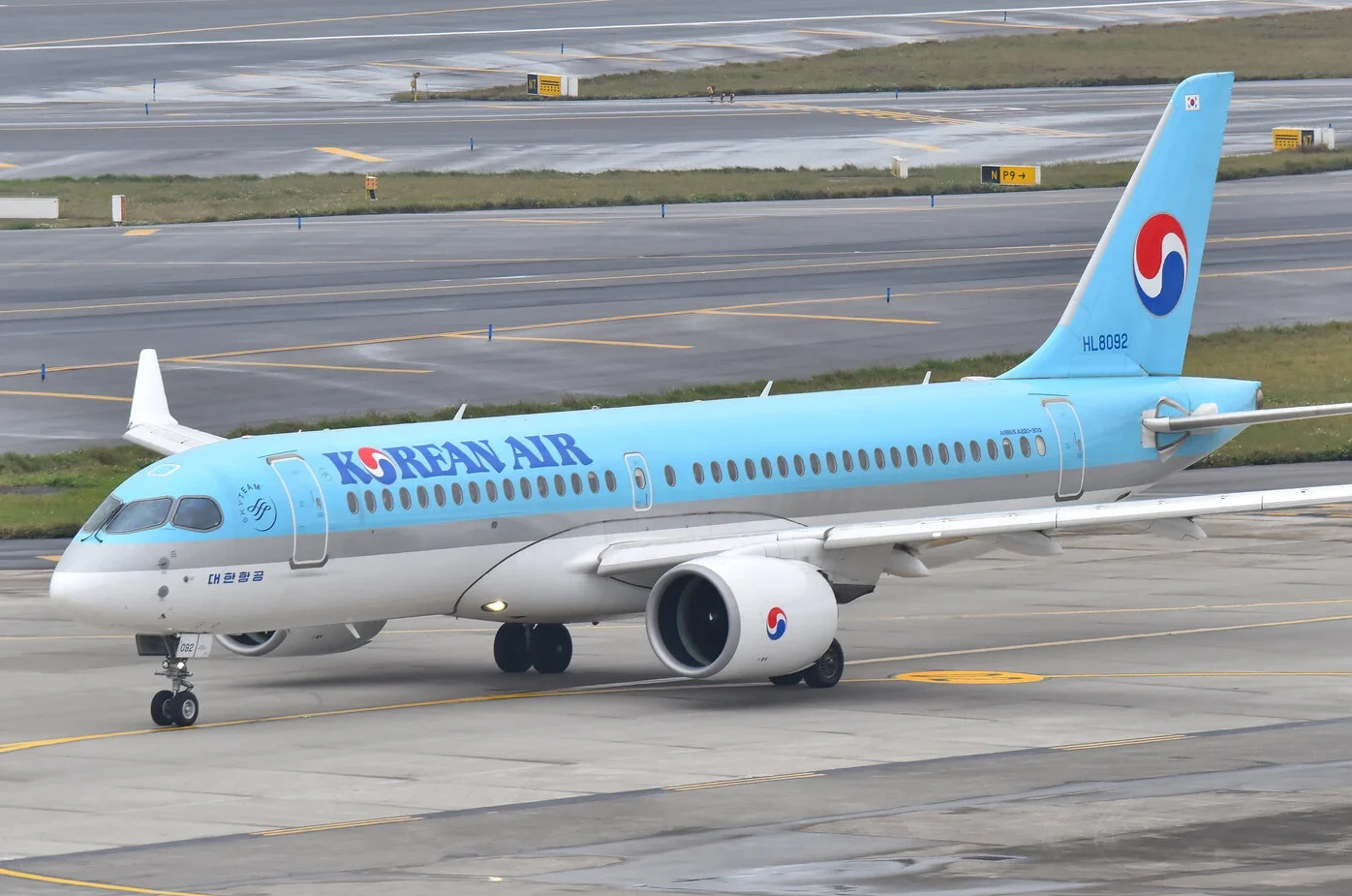
Korean Air is reducing its international network in response to its inability to acquire next-generation aircraft on time.
Highlighted by local South Korean media agencies and backed up by further flight data, the stark contrast to the frequency before the global pandemic.
Most notable airports affected were not necessarily just Incheon but also stretching towards more regionally located airports with fewer operations, but still significant ones.
Data shows that there were at times reductions of over 40% compared to the schedule offered in 2019, with more flights being axed over the weekend just gone.
Korean Air is in the process of renewing its fleet and has not been afraid to discuss how the lack of available planes has affected its ability to scale up its operations, as it would have intended to do if all had gone according to plan.
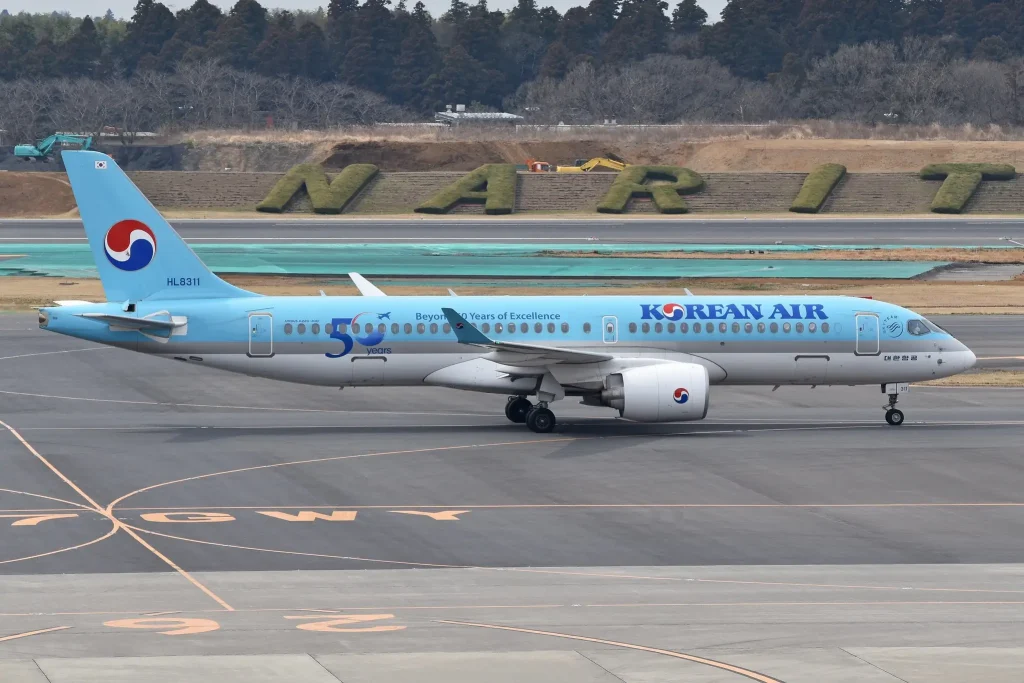
Yonhap News Agency confirmed the staggering drops in flying across key locations, such as Gimhae Airport, which dropped from 9,675 flights in 2019 to just 5,567 in 2024.
Thanks to data provided by the land ministry, other reductions also occurred at the Incheon and Gimpo locations, equating to a 45% drop.
Why Korean Air Are Axing Flights
For Korean Air, the axing of flights can be attributed to several complications across its business, none more so than the inability to take delivery of aircraft on time.
The renewal of Korean Air’s fleet is ongoing; however, there remains a focus on capturing new demand through the acquisition of aircraft for growth purposes.
Unfortunately, following the COVID-19 pandemic and the many supply chain struggles that have emerged, planemakers have not been able to ship aircraft off as quickly as they may have initially intended to do so.
As a result, production rates have fallen below what was forecasted, and equally, the output to customers has reduced, leading to hefty delays in the acquisition of new aircraft.
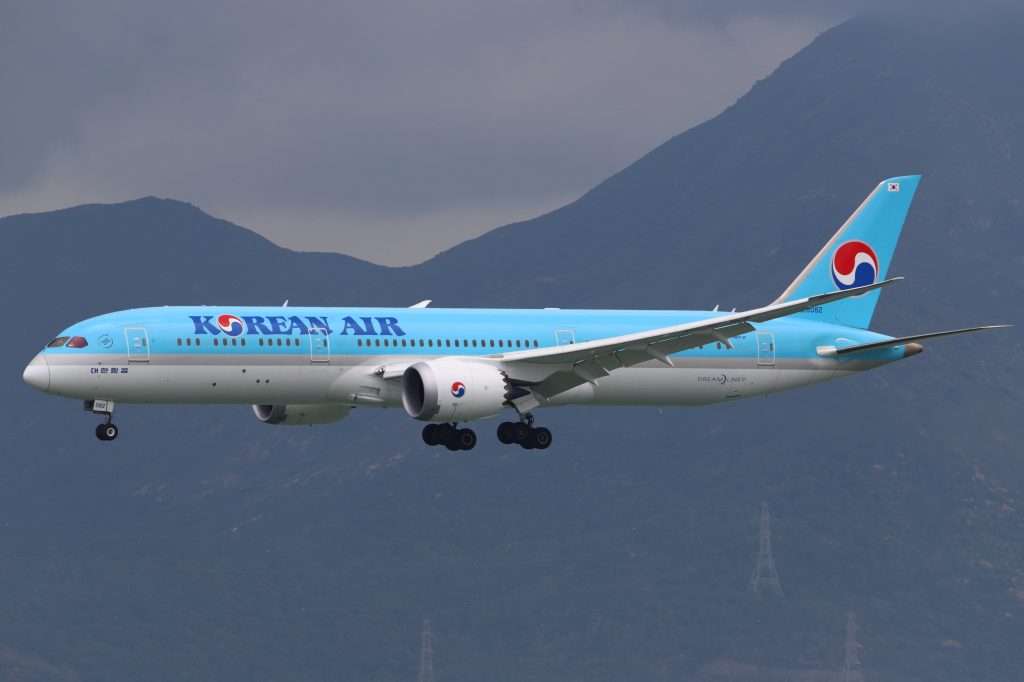
For some airlines, this has resulted in the retention of older planes that cannot do the job adequately, or even complexities in growing overall markets served, driven by the lack of available new aircraft.
Away from Korean Air’s struggles in taking delivery of new aircraft, there has also been the realisation that demand in specific markets hasn’t returned as expected following the pandemic, which has affected flying numbers.
Data points specifically towards China from more regional South Korean airports, which then sees a shift in focus across the business towards routes that have and typically follow on departures from Incheon that are longer in duration.

ABOUT THE AUTHOR
Daniel Fowkes is a Melbourne-based aviation analyst and journalist with over a decade of industry experience. As founder of Dj’s Aviation, he delivers trusted analysis on aircraft, airline strategy and global aviation trends for djsaviation.net
Related Articles




Stay Informed
Get the latest aviation news, analysis and route updates delivered to your inbox.
We respect your privacy. Unsubscribe at any time.
Enjoyed this story?
Make us your go-to for aviation news
Add us as a preferred source on Google and see our latest stories first in Top Stories.
Add Us On Your News Feed