

KLM is cancelling 160 flights, with 1% of its network to be axed from Amsterdam Schiphol in May due to the Middle Eastern conflict.
The capacity cuts seen across the industry are forcing airlines like KLM to make schedule cuts to mitigate fuel costs.
But, what is being axed, why is this happening, and what’s next for the Dutch carrier?
Scale Of The Cuts Happening
KLM says it’ll cancel 160 one-way flights, equating to 80 return trips, from its hub, Amsterdam Schiphol, in May. This represents less than 1% of its European schedule; while impactful, it remains minimal.
As a result, the airline will argue for trimming more high-frequency routes, such as those to London Heathrow or Düsseldorf. The logic behind this is simple: with so many daily flights, travellers serving these markets can be accommodated more quickly than on lower-frequency flights.
For KLM, this allows them to trim marginal extras without completely gutting their core network. This is a risk for the long term if pressures continue, but for now, the thinnest short-haul yields are being affected.
The adjustments also follow previously confirmed cuts to the network, driven by the Middle East war and conflict, and the slashing of the network here, with flight suspensions and cancellations in response to volatility and escalating tensions.
Root Cause: A War In The Middle East Bumps Fuel
The cancellations on the airlines’ networks are a direct consequence of rising kerosene costs and an analysis that has determined flights are no longer financially viable to operate.
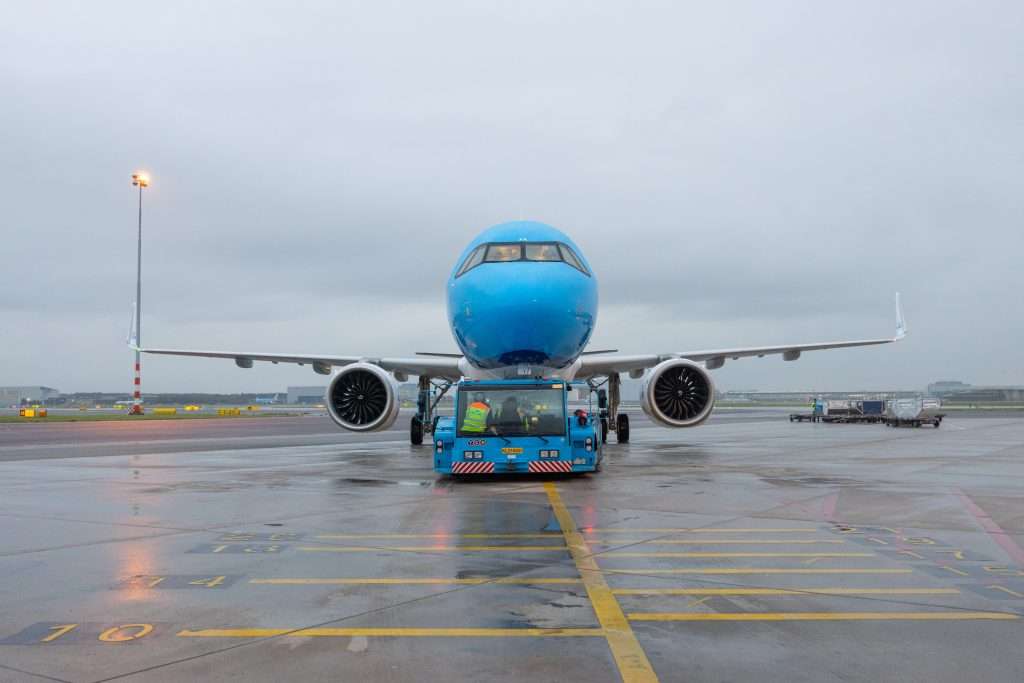
KLM has, however, said that it does not, for the moment, face a fuel shortage, but rather that the axings by the business are in direct response to rising costs, which necessitate changes to offset them and protect margins.
Small Impact On Passengers, For Now
With just 1% of the network axed and KLM being specific about the cuts, focusing on high-profile destinations that already receive multiple flights a day, the busy holiday period in May is being protected as best as possible, even with the adjustments.
KLM has said the priority continues to rest on holiday travel bookings, and for those impacted by the 160 one-way flights cancelled, they’ll be rebooked on the next available flights. With so many flights per day to locations such as Heathrow, this could be as little as one hour later.
While this may complicate onward connectivity for business meetings or leisure travellers, KLM’s 1% reduction in its European scale ultimately minimises chaos. It attempts to reassign affected passengers to another service as soon as possible.
What If This Continues?
KLM, like Qantas, which also made surgical changes to its domestic network for the upcoming months, is being cautious and only making adjustments when absolutely neccesary, more so in the short term, to respond to the volatility adequately.
If the war continues, fuel supply becomes an issue, costs continue to soar, and other economic pressures rise, the risk is that further fare hikes will be added to tickets for customers, with wider cuts of around 5-10% of the schedule.
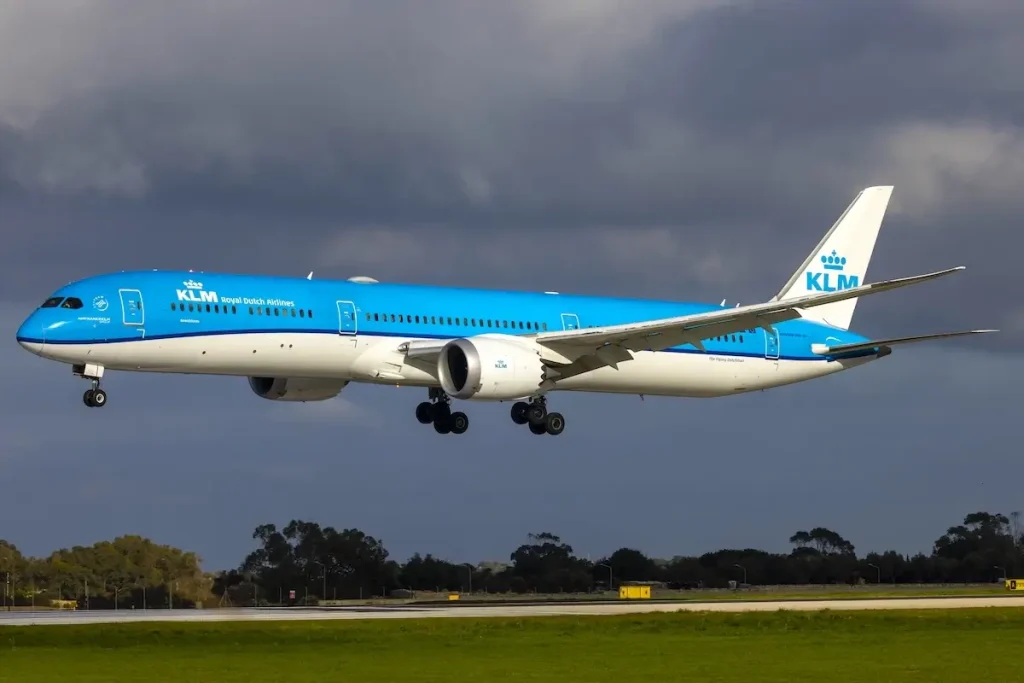
Rivals like Ryanair, which already operates with razor-thin margins, feel the effects of global uncertainty, such as the war in Iran, strongly, saying they may be forced to cut 1 in 10 flights if a permanent resolution can’t be achieved.
With higher fares and fewer options for customers, the economic pinch would likely see load factors drop, revenues fall, and operating costs soar, as a company like KLM would fail to match outgoings rising faster than demand. Economic uncertainty would also prompt customers to rethink holiday plans amid soaring costs.
These doomsday scenarios, while they may not happen, are important for carriers like KLM to begin planning for if this conflict is prolonged into 2026. Having an effective strategy to mitigate the impact wherever possible, and to implement it if required, will be important.
Bottom Line: Warning Signs Ahead
KLM’s decision to axe 1% of its European flights in May is calculated and comes amid ongoing uncertainty over fuel prices, supply, and more.
The impact on passengers is expected to be minimal, with high-frequency routes targeted for cuts; that said, the Dutch airline will continue to keep a watchful eye on developments.

ABOUT THE AUTHOR
Daniel Fowkes is a Melbourne-based aviation analyst and journalist with over a decade of industry experience. As founder of Dj’s Aviation, he delivers trusted analysis on aircraft, airline strategy and global aviation trends for djsaviation.net
Related Articles




Stay Informed
Get the latest aviation news, analysis and route updates delivered to your inbox.
We respect your privacy. Unsubscribe at any time.
Enjoyed this story?
Make us your go-to for aviation news
Add us as a preferred source on Google and see our latest stories first in Top Stories.
Add Us On Your News FeedRelated articles
· Airlines
Allegiant Air Buys Six More 737-8s From Boeing
Daniel Fowkes
26/10/2026
· Airlines
Emirates vs Qatar Airways: The Gulf Superhub Rivalry Compared
Bryan Shelmon
26/10/2026
· Airlines
Riyadh Air Is Moving Away From Riyadh
Daniel Fowkes
26/10/2026
· Airlines
Emirates Isn’t Worried At All
Daniel Fowkes
25/10/2026