
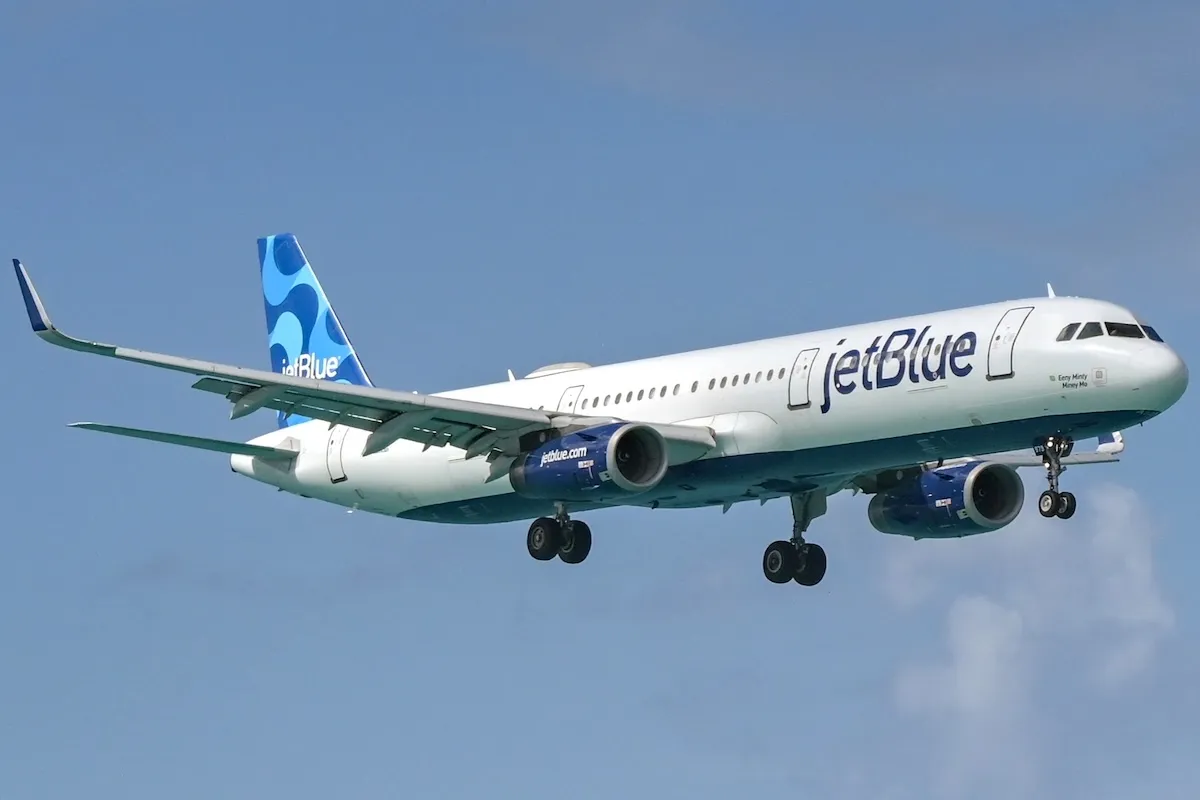
JetBlue has cleared up the rumour mill, which indicated a United partnership could’ve led to a merger, as something not of interest and something not discussed.
The two U.S airlines focused on their Blue Sky partnership rather than a more formal corporate combination that could bring the two airlines under one roof.
What JetBlue Has Said
JetBlue CEO Joanna Geraghty spoke with CNBC and said that her airline had not spoken to Scott Kirby, the United Airlines CEO, about a merger-type transaction. She further added that the opportunity to deepen ties is through other avenues such as joint booking, loyalty and coordination.
For JetBlue, this comes at a time when consolidation seems heavy on the lips of many within the U.S sector, as each month it emerges that United Airlines has, across the last 12 months, spoken directly with another competitor to flag merger interest.
For Geraghty, these comments echo previous views laid out last year when Blue Sky was put forward: a merger was not of interest following years of its own regulatory scrutiny for partnerships, merger collapses, and the financial toll taken from this.

JetBlue has spent years working through the legal and strategic battles as a result of the consolidation efforts. The carrier not only sees its failed Spirit Airlines merger come back to bite in the moment with costs, but also the Northeast Alliance with American Airlines being blocked.
As a consequence, even if JetBlue were interested in its fragile state, looking to a full-scale merger with United would drag it right back into the same plethora of issues that prevented previous combinations from going forward. For a fragile business, this may be the tipping point if the transaction doesn’t pan out as intended.
Why Is JetBlue Saying No?
For JetBlue, there are many reasons a prospective merger with United Airlines isn’t of interest, and recent history reflects the scars still present from its previous relationships with airlines in the United States.
Previously, JetBlue worked closely with American Airlines; however, that Northeast Alliance was ultimately blocked and faced strong pushback from regulators. However, its arguably biggest transaction of the 2020s was for Spirit Airlines, a merger that was ultimately abandoned.
The deal with Spirit Airlines was aimed at bringing the struggling airline, which has now ceased operations, into the JetBlue model and closing the gap with competitors while establishing a stronger foundation to withstand operational pressures. However, this invited the DOJ and others to come forward and express their concerns, and the deal ultimately did not go ahead.
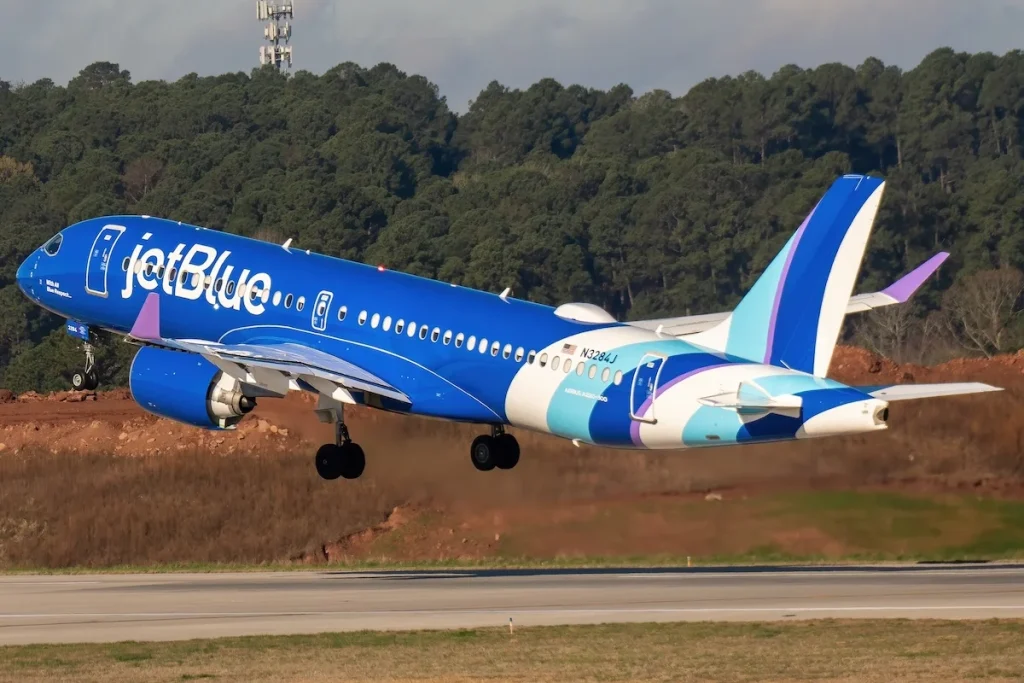
JetBlue also has to understand what’s best for it now, in 2026. While United CEO Scott Kirby has said he does not see how he could improve JetBlue’s margins enough to justify a deal, and despite his appetite for consolidation, this prospective deal is not an ideal move.
While regulatory pressures on both sides would have been a concern, United Airlines’ unwillingness to move forward with a consolidation despite the strong partnership shows that strategy is a key driver, as it has to be. JetBlue’s network has become more valuable in 2026 thanks to its Fort Lauderdale push, but it is still weak financially.
For a buyer such as United Airlines at this time, beyond a grounded collaboration effort that keeps the two airlines separately run, there is limited upside to prove a purchase price would be worthwhile unless a turnaround can be achieved quickly.
JetBlue is also currently working on its own two feet, attempting to pivot toward higher-yielding traffic on its own terms and, as a consequence, make cuts to its network to redeploy capacity elsewhere. Following concerns by founder David Neeleman that it could collapse as soon as this year without change, a scramble is ongoing to reinvent itself.
Where Did The Rumours Start?
The United Airlines and JetBlue speculation has been front and centre for the last 12 months and built following the Blue Sky commercial partnership that was signed between the pair in 2025.
The deal allowed customers to book across both networks, redeem miles more easily, and some onlookers felt this was a step towards a possible acquisition if seen fit. Additionally, with Kirby’s strong views about acquisition, the struggling U.S carrier with its own market, some felt, could’ve been appealing.
Prospective merger chatter intensified when it was reported that JetBlue in early 2026 had begun looking at other U.S. carriers with advisers to understand what type of regulatory environment was present for a scenario where acquisition was required.
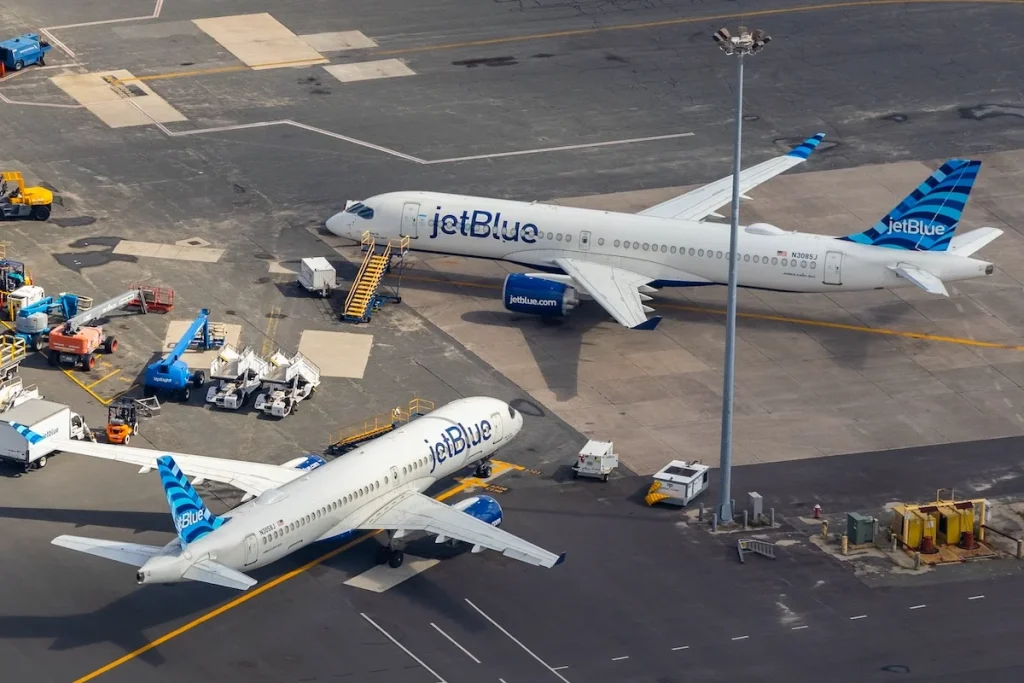
However, while United Airlines has repeatedly pursued acquisition with the likes of American Airlines, and now most recently reported a phone call to Delta, nothing has materialized, and CEO Kirby has changed his tune on this and cooled interest and approaches.
CEO Joanna Geraghty setting the record straight that the partnership will not lead to a merger is confirmation the two will work in close collaboration, but do not intend to take that further under the current industry landscape, and JetBlue’s own struggles.

ABOUT THE AUTHOR
Daniel Fowkes is a Melbourne-based aviation analyst and journalist with over a decade of industry experience. As founder of Dj’s Aviation, he delivers trusted analysis on aircraft, airline strategy and global aviation trends for djsaviation.net
Related Articles




Stay Informed
Get the latest aviation news, analysis and route updates delivered to your inbox.
We respect your privacy. Unsubscribe at any time.
Enjoyed this story?
Make us your go-to for aviation news
Add us as a preferred source on Google and see our latest stories first in Top Stories.
Add Us On Your News FeedRelated articles
· Airlines
Allegiant Air Buys Six More 737-8s From Boeing
Daniel Fowkes
26/10/2026
· Airlines
Emirates vs Qatar Airways: The Gulf Superhub Rivalry Compared
Bryan Shelmon
26/10/2026
· Airlines
Riyadh Air Is Moving Away From Riyadh
Daniel Fowkes
26/10/2026
· Airlines
Emirates Isn’t Worried At All
Daniel Fowkes
25/10/2026