
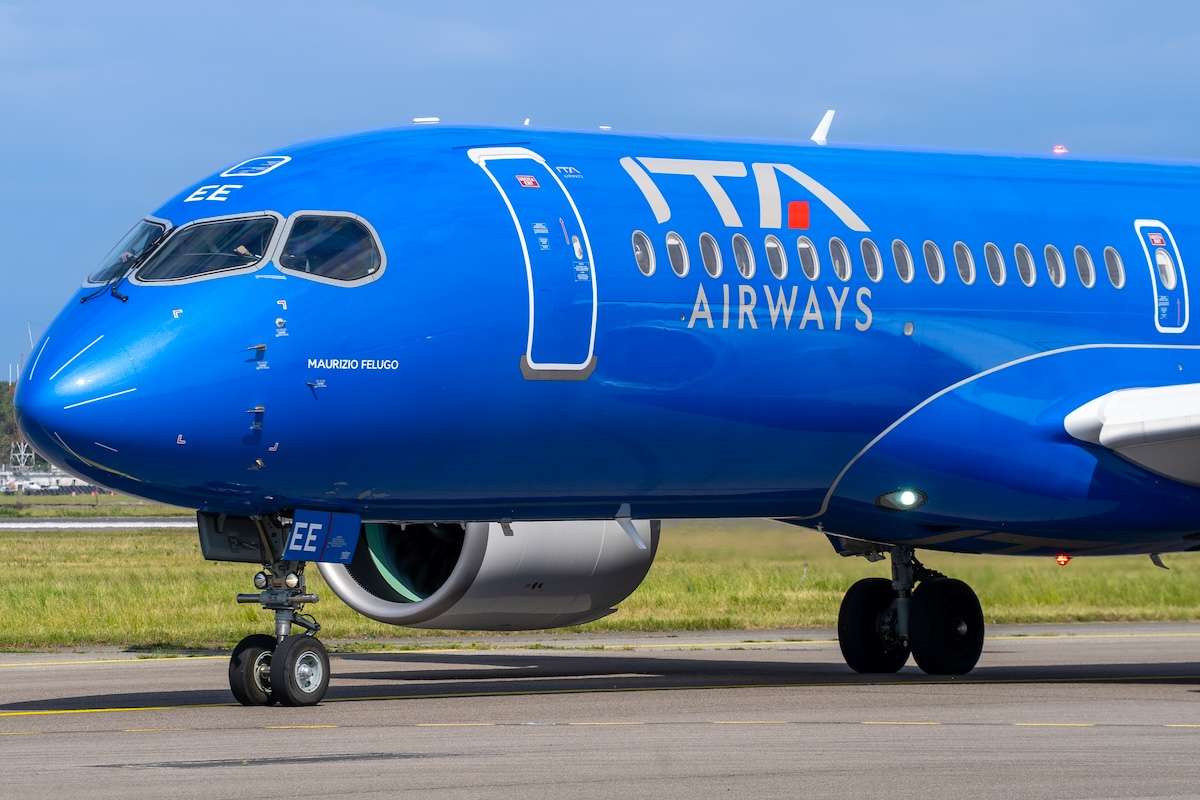
ITA Airways is weighing up major legal action against Pratt & Whitney as the Italian flag carrier now looks to sign over the geared turbofan (GTF)- related groundings.
The problems, spanning years and affecting much of the airline’s formative years following the collapse of Alitalia, have left many next-generation Airbus planes grounded for prolonged periods and strained its finances.
ITA says it will decide within roughly eight weeks whether to proceed with damages, after the crisis has thus far cost it more than 100 million euros, and that number is growing.
Breaking Down ITA Airways Frustrations
On the sidelines of the IATA AGM in Rio de Janeiro, ITA Airways CEO Joerg Eberhart said that a decision on legal action is imminent and that the final move will come by late July or early August, determining whether Pratt & Whitney and its parent RTX will face a lawsuit.
That lawsuit would centre on the PW1000G-series of Geared Turbofan engines that power the A320neo and A220 families from Airbus and are integral to the business’s short- to medium-haul flying efforts.
These aircraft have had well-documented struggles with engine reliability over the years. Many planes worldwide have been left on the ground due to a manufacturing defect in the powdered metal used in the components, requiring shop visits, part change-outs, and inspections.
Unfortunately, given the many supply chain issues, the lack of spare parts, and the overwhelming number of engines, the time it has been on the ground over the last several years has ballooned considerably, to the point where airlines have been without a fully operational fleet for years.
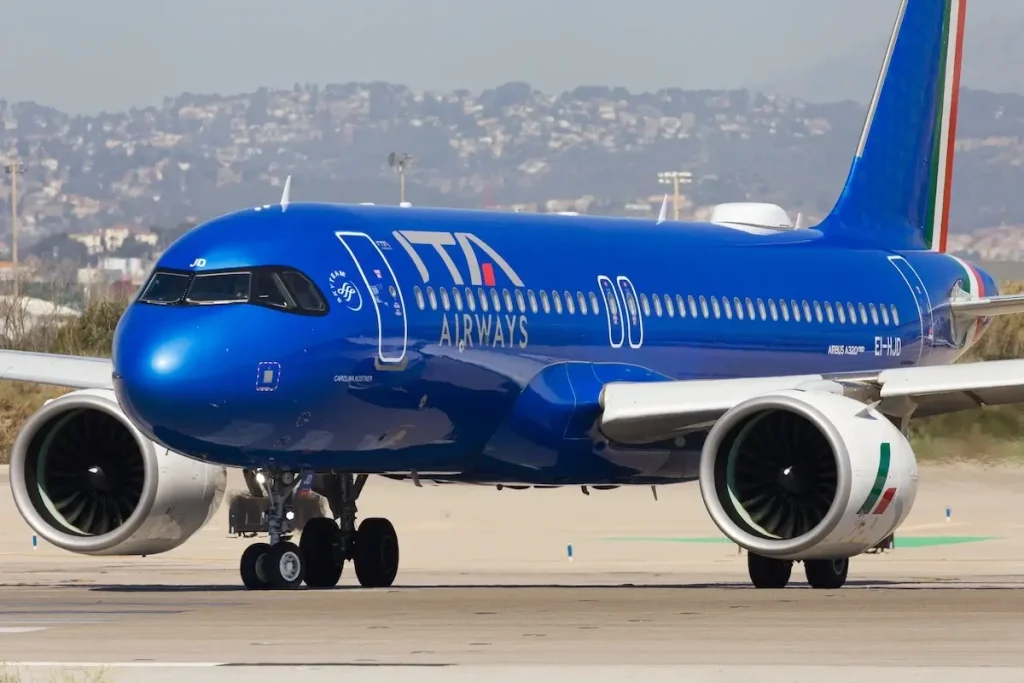
ITA Airways is therefore seeking to determine the true scale of the damages it has incurred to assess whether the compensation proposals from Pratt & Whitney cover them. Early signs indicate this is not the case, which is why legal action is being considered.
The Italian carrier, if it decides, through further assessment and discussions, that a settlement cannot be reached, would not be the first business to file a suit to seek the full extent of damages and recover everything that has come at least financially because of this crisis.
What Happened To ITA Airways?
Every airline has been affected differently by the Pratt & Whitney crisis. However, in Europe, few have been hit quite as hard as ITA Airways, with many next-generation planes in its fleet powered by the PW1000G engines.
With not just new planes on the ground, the business has many that were expected to be delivered too and as such, impacted by the supply chain shortages preventing Airbus from getting jets out on time too, creating a worst-case scenario for a business attempting to drive growth and cement its position in a competitive market.
As mandatory inspections and shop visits ramped up over the years, more than 20 planes were parked, accounting for nearly 30% of the short-to-medium-haul fleet at any given time, whether that was the A220s, A320neos, or the high-capacity A321neo, all of which were affected at different points throughout the years.
With grounded planes and not enough aircraft to fill this role, analysts flag that daily losses spiraled, whether due to lease payments, maintenance, or an inability to serve the network; overall revenue hits were evident, not factoring in the financial impact of delayed route progression.
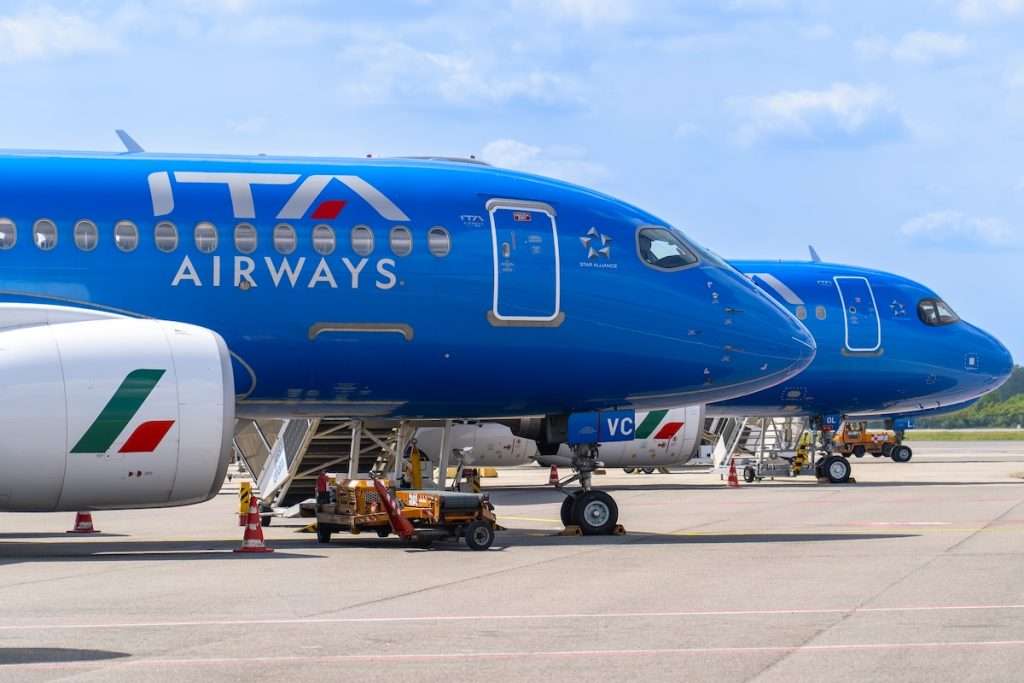
The underlying problem has been present for years and was discovered more than three years ago in a batch of GTF engine components, placing them at risk of premature cracking.
With an accelerated inspection and replacement programme initiated, affecting 3,000 engines globally, many of the world’s most popular airframes were targeted, and airlines worldwide parked their newest and most utilized planes as a result. While a plan had been put in place, it was the actioning of this that led to problems.
What should’ve been shop visits ranging within a month-or-so window were extended to 60 days, then even to over 300 days on the ground, as the sheer scope of the engine-affecting issues pushes MRO facilities well beyond their capacity and capabilities.
ITA then had to suspend flights, face major disruptions across European cities, and incur higher unit costs on its planes, whether through leases or by finding other ways to cover gaps with its newest and most beneficial planes, resulting in growing pains that led to a world of hurt.

ABOUT THE AUTHOR
Daniel Fowkes is a Melbourne-based aviation analyst and journalist with over a decade of industry experience. As founder of Dj’s Aviation, he delivers trusted analysis on aircraft, airline strategy and global aviation trends for djsaviation.net
Related Articles




Stay Informed
Get the latest aviation news, analysis and route updates delivered to your inbox.
We respect your privacy. Unsubscribe at any time.
Enjoyed this story?
Make us your go-to for aviation news
Add us as a preferred source on Google and see our latest stories first in Top Stories.
Add Us On Your News FeedRelated articles
· Airlines
Allegiant Air Buys Six More 737-8s From Boeing
Daniel Fowkes
26/10/2026
· Airlines
Emirates vs Qatar Airways: The Gulf Superhub Rivalry Compared
Bryan Shelmon
26/10/2026
· Airlines
Riyadh Air Is Moving Away From Riyadh
Daniel Fowkes
26/10/2026
· Airlines
Emirates Isn’t Worried At All
Daniel Fowkes
25/10/2026