
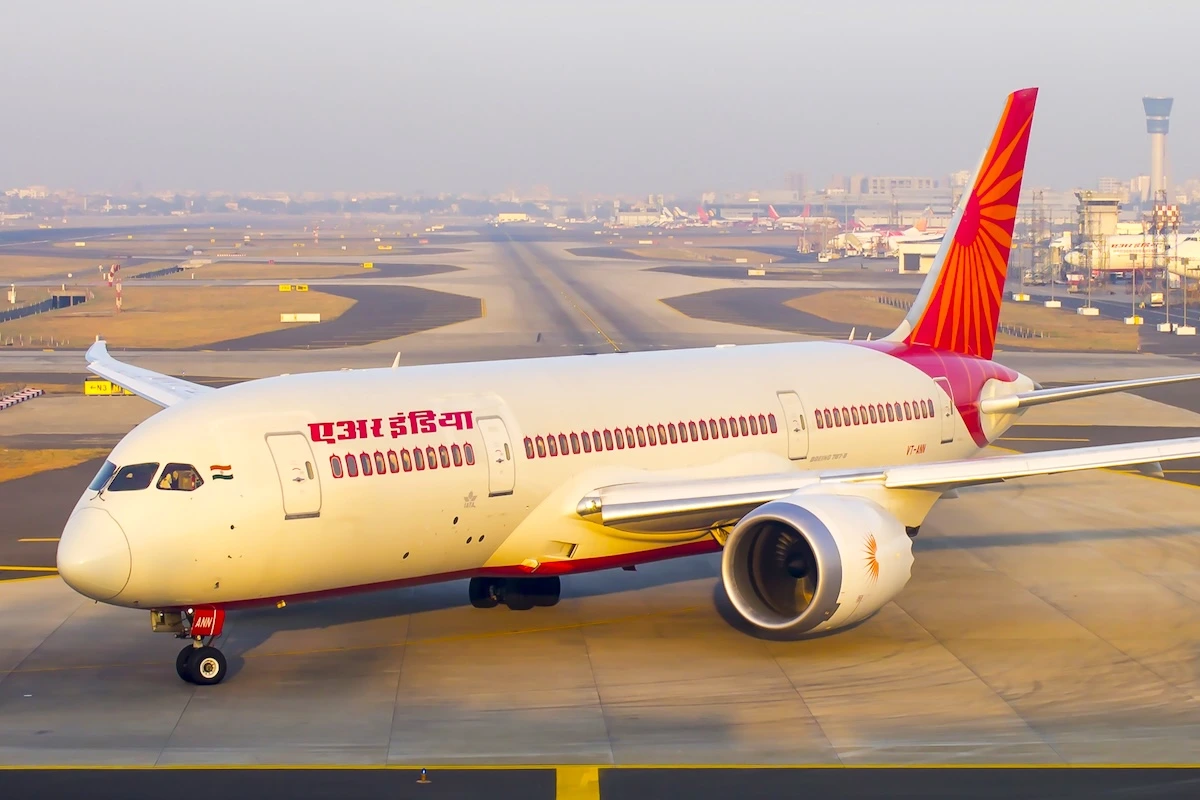
Boeing is set to secure a historic deal for new aircraft from India worth up to $80 billion as part of trade agreements with the U.S.
As confirmed by Piyush Goyal, India’s Commerce and Industry Minister, there is an increased appetite to finalise a deal to expand trade ties with the United States.
Amid geopolitical uncertainty, the country wants to secure planes sooner rather than later, and while nothing has been finalised, Goyal says the commitment is ready.
Reporting by CNBC highlighted the sizeable order, which, if executed, would further expand Boeing’s backlog across single-aisle and widebody aircraft, further deepening India’s commitment to new planes.
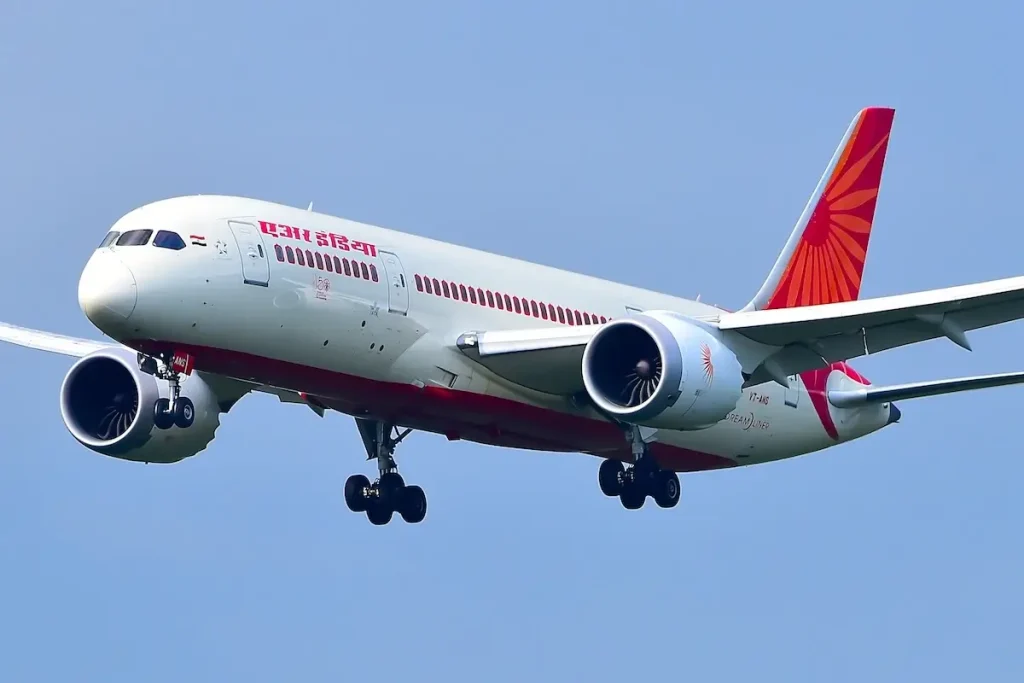
No specifics were provided on the aircraft to be selected, delivery windows, or the deal’s benefits; those are yet to be made public but are in the works between Boeing and India.
India’s Aviation Jet Boom
India’s aviation sector is widely regarded as the world’s fastest-growing market, driven by not only a rising middle class but also surging domestic and international travel demand.
Passenger traffic is expected to continue growing this year and to outpace China’s. With such high demand, there’s a need for rapid fleet expansion, as airlines like Air India and IndiGo aim to induct jets within a couple of weeks.
Boeing’s latest forecast, which sees the requirement for 3,300 new aircraft for India and South Asia by 2044, highlights just how many new planes will be needed not just to renew fleets but also help airlines grow and meet the annual traffic rate increases.
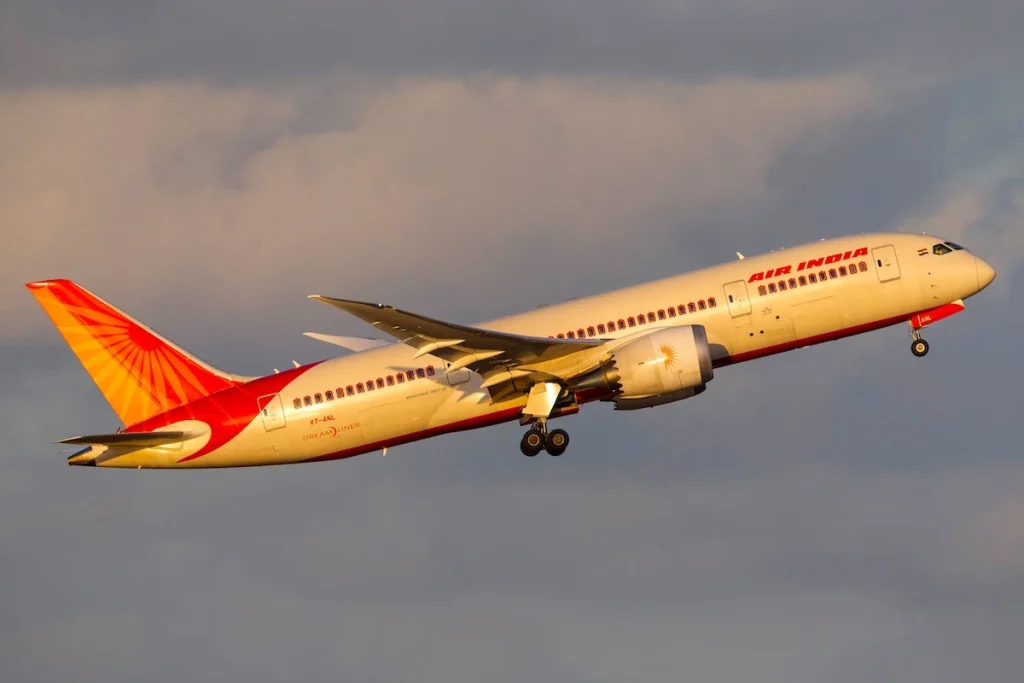
The $80 billion Boeing deal in the pipeline, while trade has broader implications for US-India trade negotiations and relations, will further help kick-start this growth, boosting jobs and easing supply chain challenges.
For Boeing, it’s a vital deal that provides greater security across its backlog, even in an era when there’s significant pressure to deliver planes that are already arriving with significant delays.
The Impact Of The Order
The $80 billion order will not only support Boeing but also significantly support airlines, which are under significant pressure to accelerate their development and route expansion.
With hundreds of efficient jets, such as the 737 MAX, deployed across short- to medium-haul domestic services, these aircraft will cut costs by 15-20% relative to their replacements while boosting capacity on high-density routes.

The addition of more widebody aircraft to the backlogs of airlines such as Air India and IndiGo will enable new international routes and further capacity deployment in existing markets where demand is surging.
Customers on these new aircraft will also benefit from more flights, lower fares due to increased competition, and modern cabins, which, in turn, should raise standards across the Indian aviation sector.
New planes not only enhance connectivity but also provide greater reliability across networks and drive tourism and jobs, supporting the addition of new aircraft to fleets nationwide.

ABOUT THE AUTHOR
Daniel Fowkes is a Melbourne-based aviation analyst and journalist with over a decade of industry experience. As founder of Dj’s Aviation, he delivers trusted analysis on aircraft, airline strategy and global aviation trends for djsaviation.net
Related Articles




Stay Informed
Get the latest aviation news, analysis and route updates delivered to your inbox.
We respect your privacy. Unsubscribe at any time.
Enjoyed this story?
Make us your go-to for aviation news
Add us as a preferred source on Google and see our latest stories first in Top Stories.
Add Us On Your News Feed