
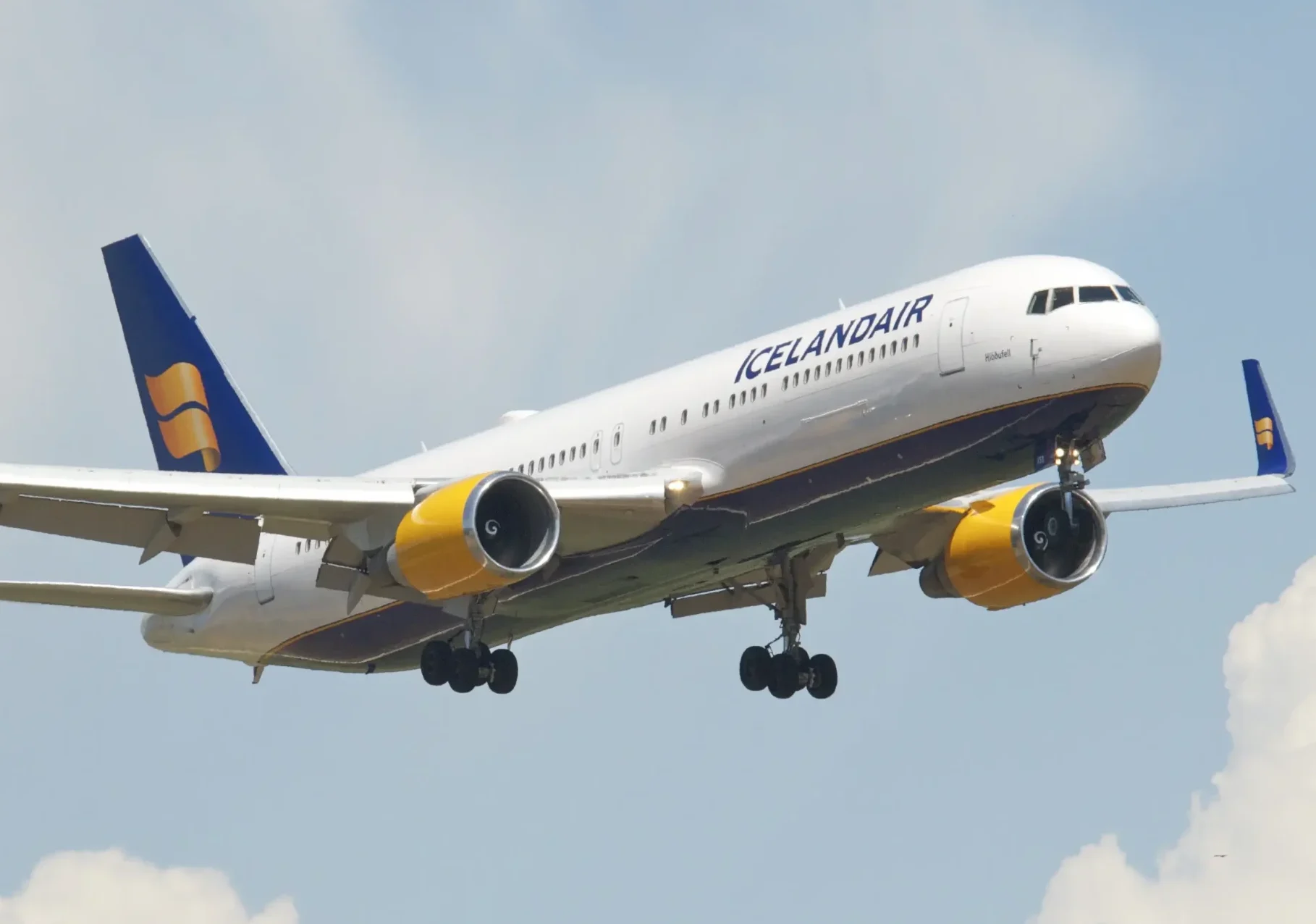
Icelandair has confirmed it’ll farewell the Boeing 767 by the end of the 2020s and shift to only flying narrowbody aircraft.
The strategy will therefore result in the phase out, as expected, of the 767, a true workhorse for the Icelandic carrier for some time, in a bid to become more sustainable.
While larger planes, such as the 767, offer capacity for Icelandair, there remains a belief that aircraft from the A321neo family offer greater efficiency improvements year over year, and thus better performance across the route network.
A transition towards narrow-body planes is already underway, as greater reliance is placed on new-generation Airbus and Boeing aircraft, such as those in the A320neo and 737 MAX families.
Fleet data indicates that Icelandair operates five Boeing 767s in its commercial aircraft fleet. However, these planes will be retired by the end of the decade, with fall 2029 highlighted by the airline as the expected retirement date.
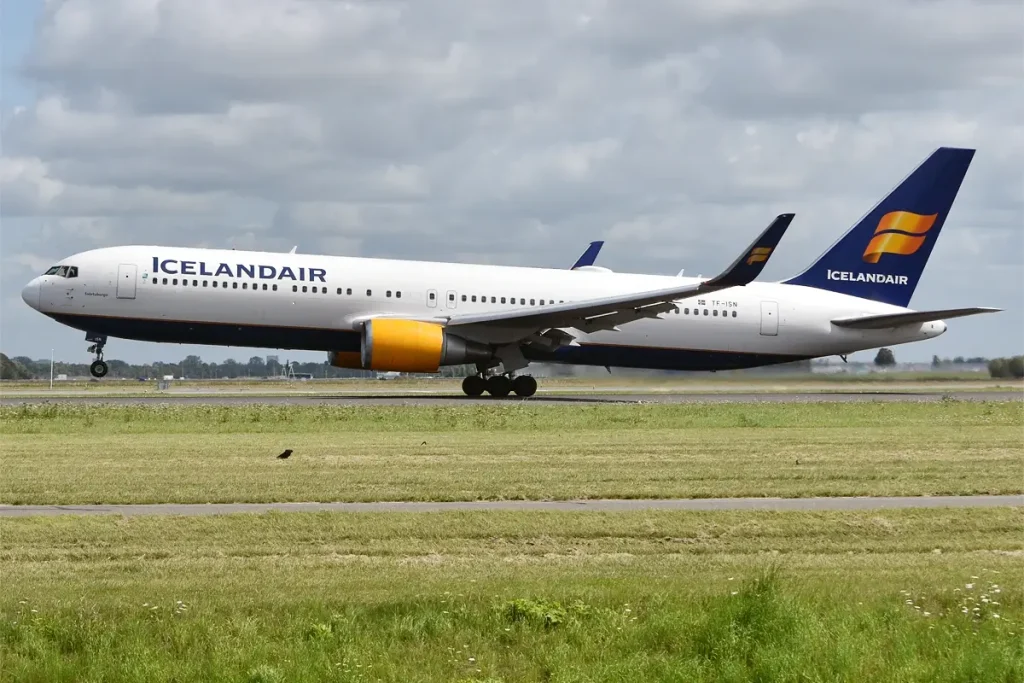
The final retirement will pave the way for a pivotal strategy shift, which aims to leverage Iceland’s geographic positioning to utilise more efficient and longer-ranged narrowbodies to reach markets.
The addition of planes such as the A321LR and others will make longer-range flying possible towards markets not just in Europe, but also on its Transatlantic network, without the requirement for larger aircraft.
Icelandair To Also Farewell The 757
While Icelandair has confirmed that the retirement of its 767s will occur in 2029, there will also be the axing of the 757 fleet as part of a move towards more efficient narrow-body aircraft.
A confirmed purchase of the Airbus A321XLR has all but confirmed that this will be the definitive replacement for the 757 program, enabling the renewal to take place at the end of the decade.
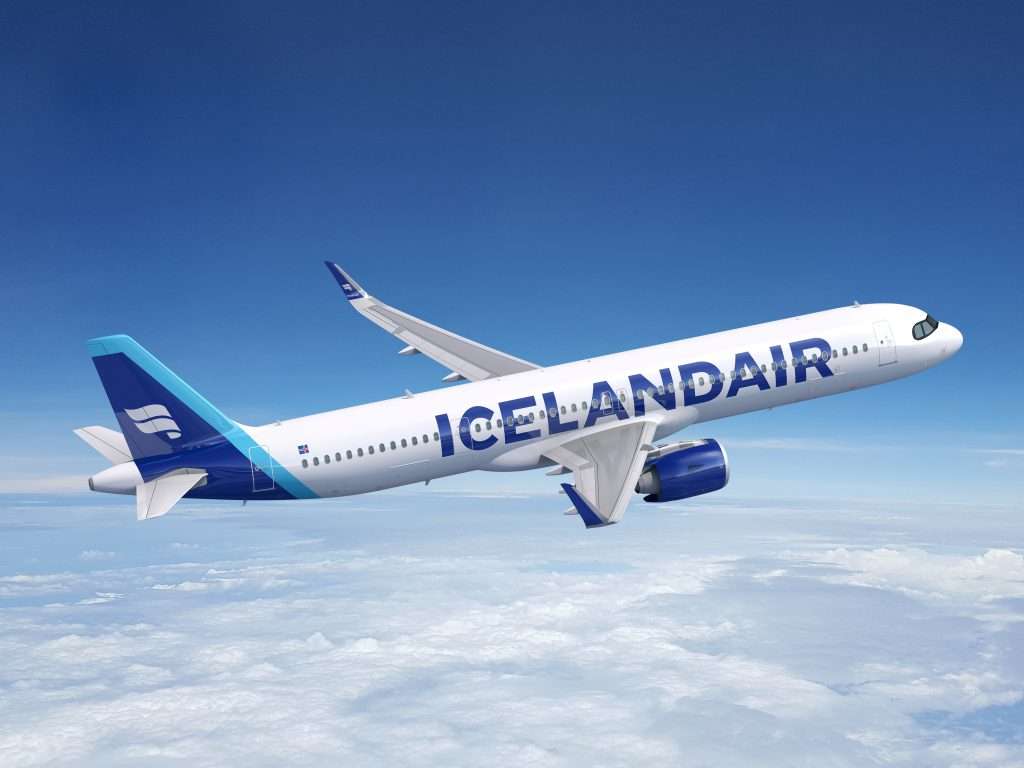
The XLR will give Icelandair greater range flexibility and allow for more efficient route operations compared to the usage of the 757. Moreover, there are new opportunities to serve international markets that were previously unprofitable or inaccessible.
So, while the XLR may lack capacity, it is still seen as the true successor to the 757, and when that Boeing jet, alongside the 757, is retired, a new era will commence for the carrier.

ABOUT THE AUTHOR
Daniel Fowkes is a Melbourne-based aviation analyst and journalist with over a decade of industry experience. As founder of Dj’s Aviation, he delivers trusted analysis on aircraft, airline strategy and global aviation trends for djsaviation.net
Related Articles




Stay Informed
Get the latest aviation news, analysis and route updates delivered to your inbox.
We respect your privacy. Unsubscribe at any time.
Enjoyed this story?
Make us your go-to for aviation news
Add us as a preferred source on Google and see our latest stories first in Top Stories.
Add Us On Your News Feed