
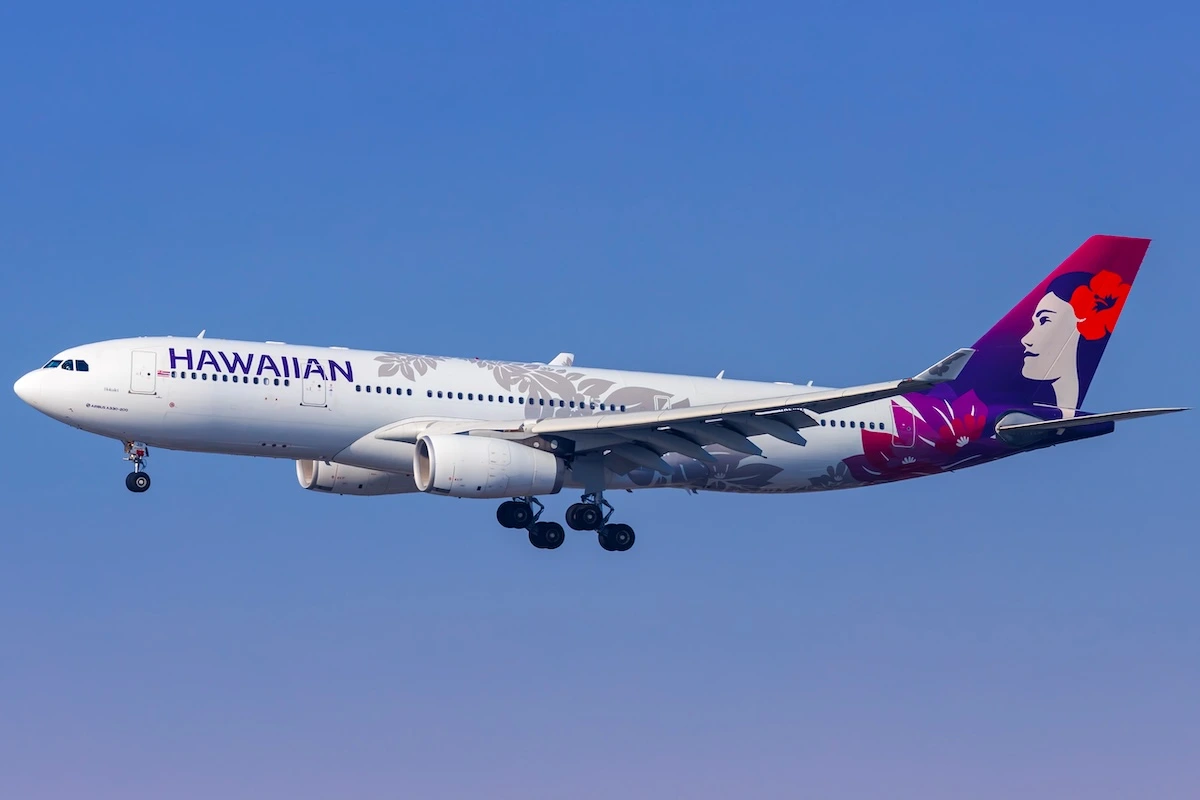
Hawaiian Airlines is set to phase out four of its Airbus A330 widebodies by 2028 as it transitions towards the Boeing 787.
The move from the airline, announced after the merger with Alaska Airlines, signifies a significant strategic shift that puts greater emphasis on long-haul transatlantic and transpacific services from Seattle.
But what is the fleet retirement plan? How does this align with inbound next-generation units, and how is Hawaiian Airlines emerging post-merger?
Hawaiian Airlines A330 Fleet Cuts Coming
Hawaiian Airlines’ Airbus A330 fleet, currently comprising 24 A330-200s, has not undergone a fundamental change in recent years.
However, the changes are expected to occur in 2028, when the airline will reduce from 24 units to 20, as confirmed in a recent 10-K filing from Alaska Airlines Group.
Despite shifts in the type of operation, the aircraft remain important to the Hawaii travel experience, serving not only as the backbone of the long-haul network but also supporting more important mainland routes.
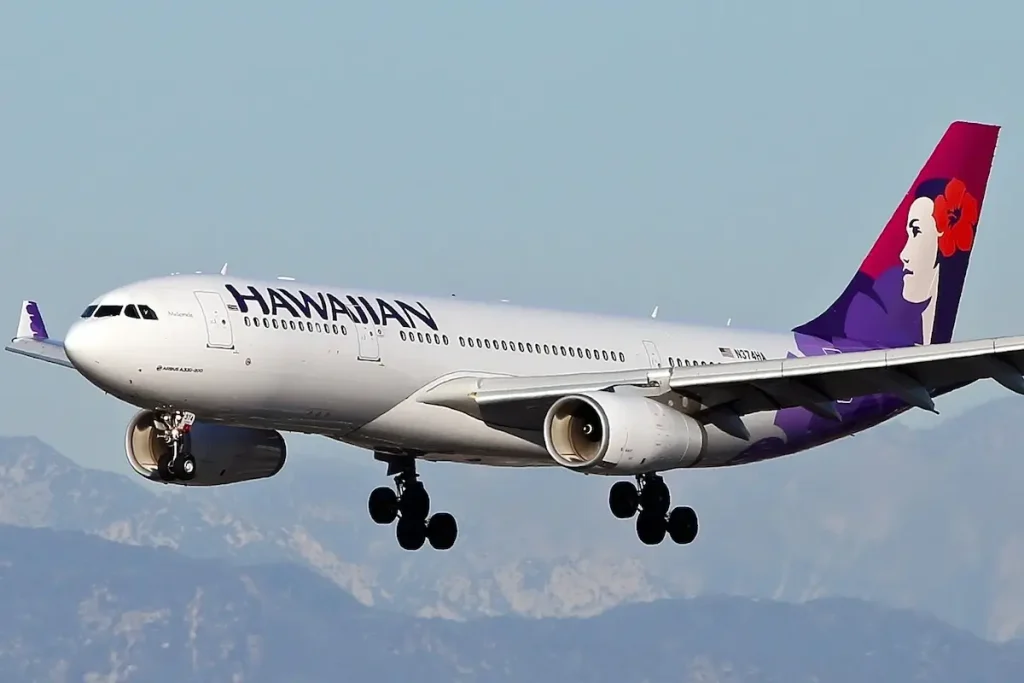
As airlines slowly but surely retire their Airbus A330 fleets, Alaska Airlines is expected to add the high-capacity Boeing 787 Dreamliner, along with the 737 MAX 10, which has also been highly anticipated.
The fleet reshaping will allow the removal of older Airbus A330s and the introduction of more efficient aircraft, lowering operating costs and making the airline more agile.
The Pivot Towards The Boeing 787 In Seattle
Hawaiian Airlines, now under Alaska Airlines post its 2024 merger, with the removal of the A330 aircraft in the coming years, signifies a bigger shift towards next-generation widebodies and also a fundamental hub switch.
The transition is part of a drive to efficiency, and global brand expansion will see the shift to Boeing 787 Dreamliners and the move to leveraging these aircraft in Seattle as the new premier global hub for the U.S. West Coast and a dedicated pilot base.
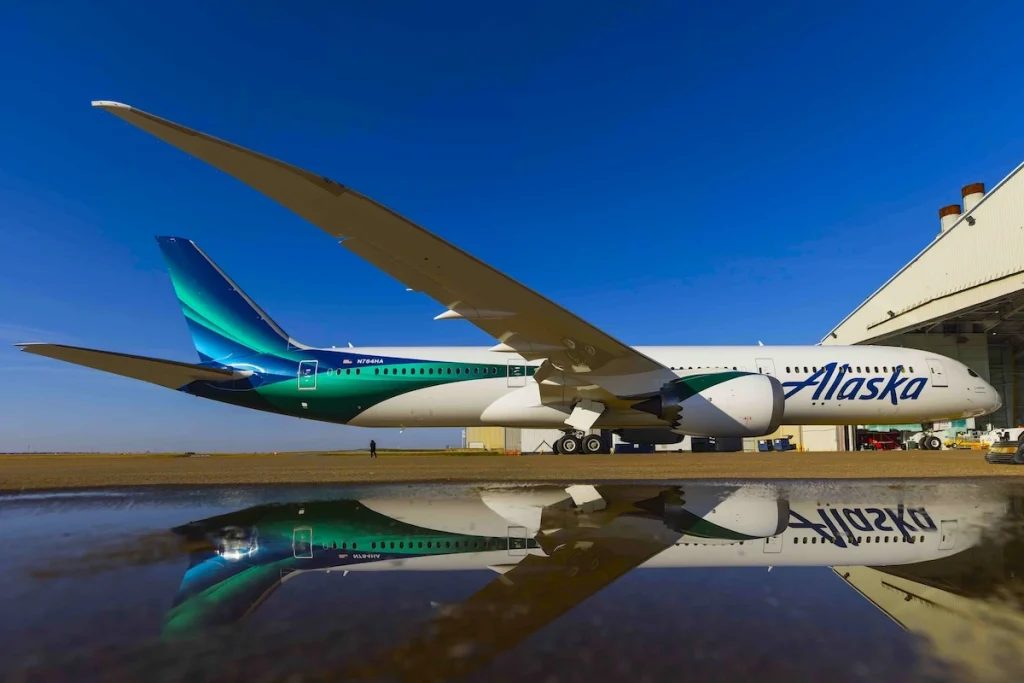
Alaska Airlines targets 12+ international routes by 2030, having already announced several new routes, with a focus on transpacific markets such as Tokyo and Seoul, as well as transatlantic markets from London and beyond, with Rome as the first to be announced.
While this will result in changes in overall connectivity through Honolulu, Alaska Airlines is committed to continuing to diversify its two brands and to ensuring the Island receives the services it needs, using Seattle as a key hub.
Alaska Airlines Merger Impact On Hawaiian Airlines
The Alaska Airlines and Hawaiian Airlines merger, completed for close to $2 billion, has fundamentally reshaped how both airlines will operate in the long term.
Alaska Airlines has gained a lot out of the deal, including the widebody fleet, which will drive international expansion and greater authority from Seattle, with a view to closing the gap with competitors.
One of the broader changes includes a single FAA operating certificate, with the aim of operating under a unified operations framework and merging key passenger service systems to enable a more unified loyalty programme.
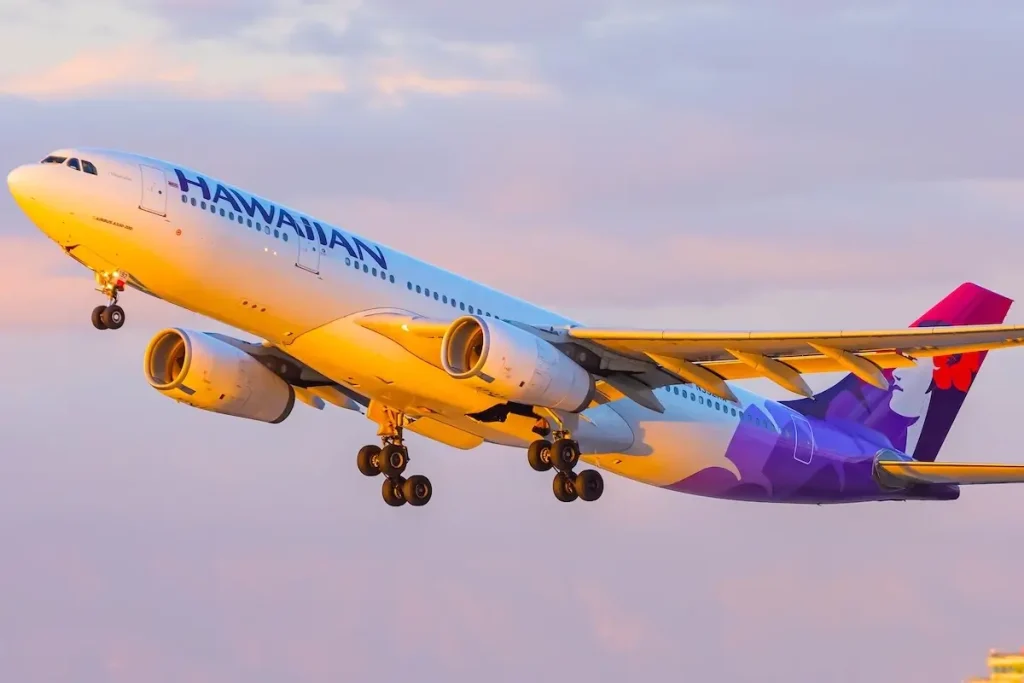
For Honolulu, while connectivity will change, there will still be a strong period during which this remains the second-largest hub, with an imperative HQ for regional connectivity, through preserved pilot and flight attendant bases and interisland commitments too.
However, the core focus will be on leveraging Seattle as a gateway, with new Asia and European routes using Hawaiian assets, with high single-digit earnings in the future as well.

ABOUT THE AUTHOR
Daniel Fowkes is a Melbourne-based aviation analyst and journalist with over a decade of industry experience. As founder of Dj’s Aviation, he delivers trusted analysis on aircraft, airline strategy and global aviation trends for djsaviation.net
Related Articles




Stay Informed
Get the latest aviation news, analysis and route updates delivered to your inbox.
We respect your privacy. Unsubscribe at any time.
Enjoyed this story?
Make us your go-to for aviation news
Add us as a preferred source on Google and see our latest stories first in Top Stories.
Add Us On Your News Feed