
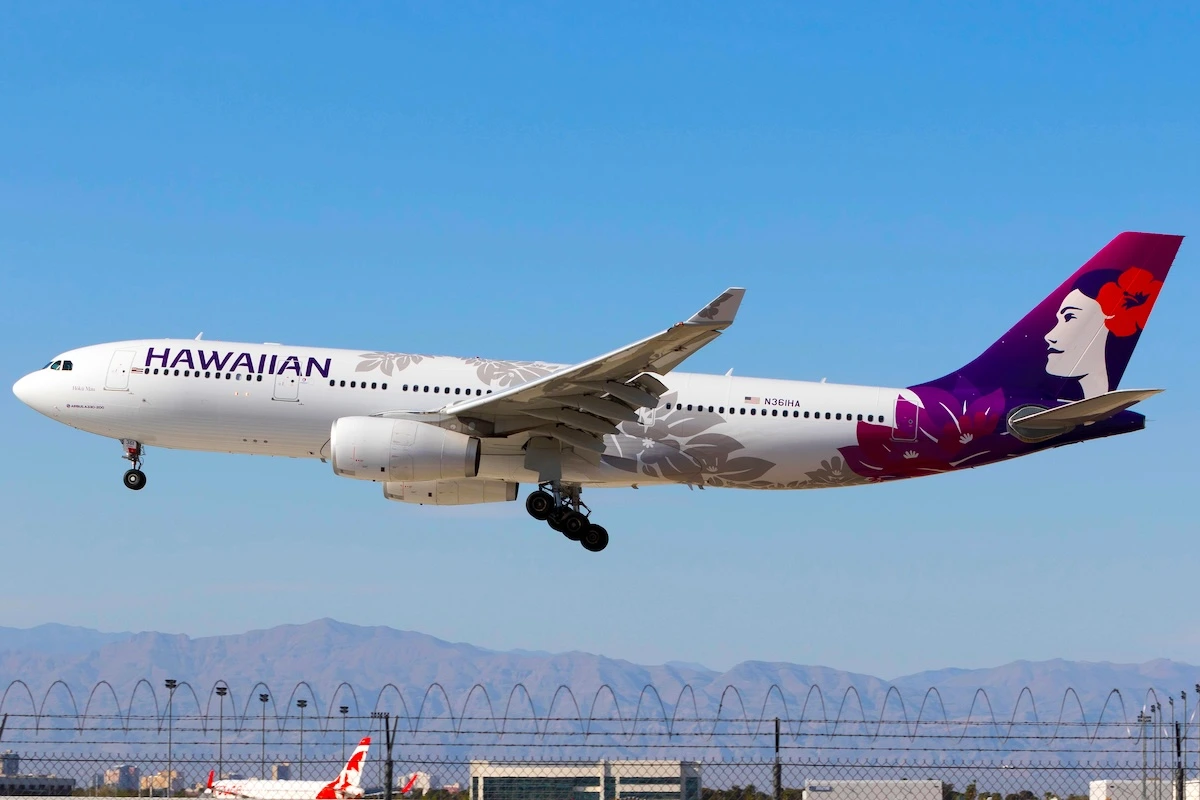
Hawaiian Airlines has officially joined oneworld and will become the 16th member with an announcement on 23 April 2026, aligning it more closely with Alaska Airlines’ post-merger integration.
The airline now also becomes the third in North America to join the oneworld alliance, behind its counterpart Alaska, but additionally American Airlines and sees it more closely tied to the mainland, with the removal of its “HA” code for “AS” consolidating the Pacific Network and integrating it more heavily into the West.
But with such an integral move that will further redefine the Hawaiian brand, why did it join the alliance, and what does it mean for the future?
A Strategic Fit In oneworld
Hawaiian’s move into oneworld is more of a natural endpoint than a decisive individual move, and follows the $1.9 billion merger with Alaska Airlines; it’s part of a comprehensive endpoint to tie up loose ends.
The airline spent many years as an independent operator, and it helped serve a key niche from its connections from Hawaii to the mainland United States, extending towards Asia and Australia.
For Hawaiian Airlines, that long worked, and from a leisure standpoint certainly, but for the airline to survive in the long term, as flagged by the airline itself, which said that without intervention from Alaska, its survival was not to be guaranteed.
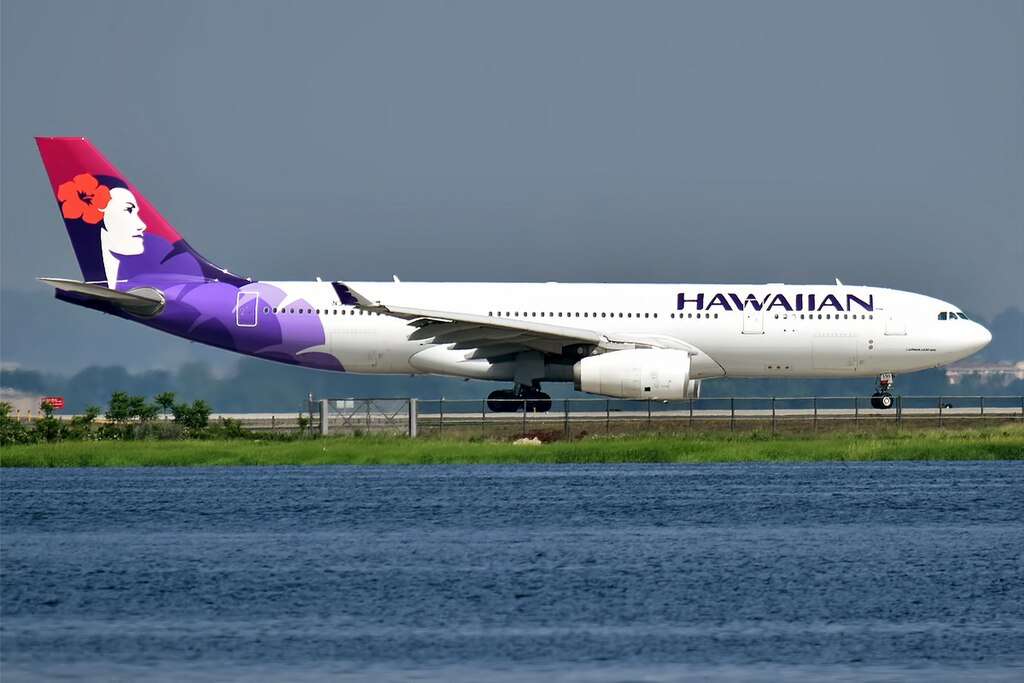
Oneworld now provides Hawaiian Airlines with immediate access to 650+ lounges, elite reciprocity for Sapphire and Emerald members, priority boarding across 14 airlines, among many other benefits, with the airline’s CEO, Nick Salan, calling it the best way to give customers more choice than ever before.
For Hawaiian Airlines, it allows them to counter the dominance of Star Alliance and SkyTeam in the Pacific. These two important alliances feed traffic directly through Honolulu, Hawaiian’s major hub, and thus compete directly.
Positivies For The Hawaiian Network
Now, for oneworld, this alliance suddenly has greater access to a Pacific powerhouse that was not part of its supply: the HNL-based hub enabling direct Tokyo-Narita, Sydney, Seoul, and Auckland routes, which can connect directly with fellow oneworld partners.
Furthermore, this is to be complemented and integrated more seamlessly with American Airlines’ LAX/DFW and Alaska Airlines’ SEA/PDX hubs, and comes amid the latter two looking to explore revenue-sharing opportunities following a merger discussion that fell through this year as well.
Frequent flyers can also redeem Avios, Asia Miles, or even AAdvantage points for trips to Hawaii. Qantas Emerald elites get Hawaiian lounges and priorities. British Airways passengers also have another chance to reach Australia via HNL with a more integrated ecosystem.
For Hawaiian Airlines, with the A330s and A321neos, especially in its business role, will increase on the Pacific routes it serves. At the same time, its niche relative to other airlines in the oneworld alliance helps give this airline and the alliance itself access to fresh markets where traffic is crucial.
What’s Next For Hawaiian Airlines In oneworld
With this, the starting line for the oneworld integration remains not the finish. Hawaiian and Alaska will continue to work closely with unity on the Atmos Rewards and oneworld tiers, with the Sapphire benefits rolling out as planned by Q3 2026.
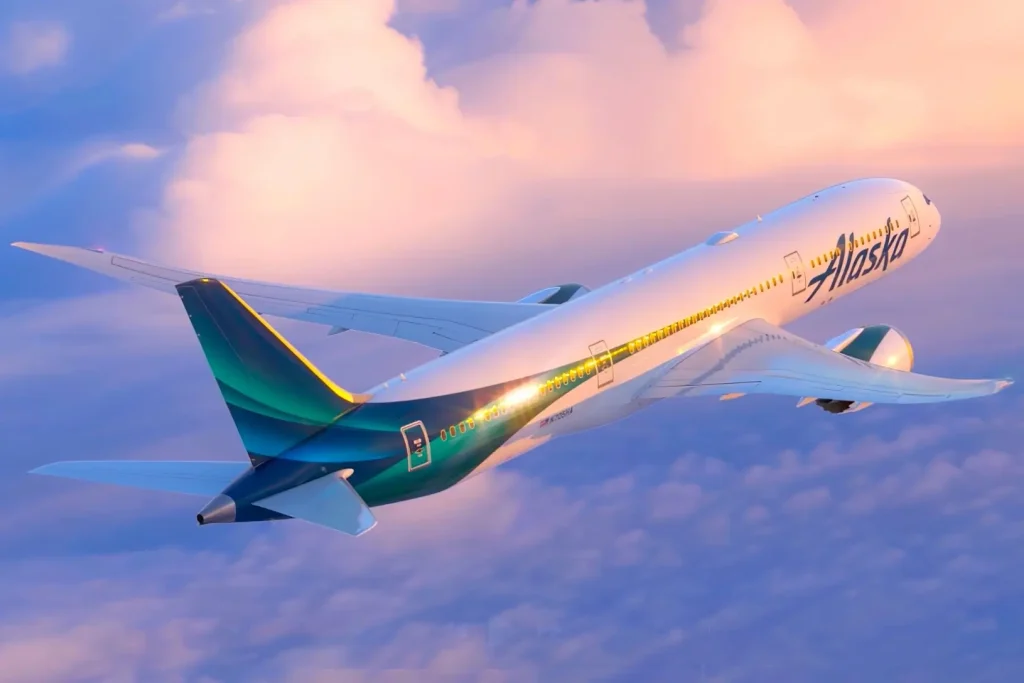
Hawaiian, under the wings of Alaska Airlines, will see its Boeing 787s become crucial to leveraging Seattle’s gateway to increase travel within the Pacific Northwest substantially and bring this now much larger Alaska Group closer to competitors amid a crunch in competitiveness and soaring operating costs.
For oneworld, Hawaiian airliens isn’t the end of its own pursuit of other airlines, which, while it may not directly innovate Hawaiian Airlines, will benefit if the carriers that join are calculated and enable mutually beneficial collaboration deep into the future.
Success, however, will continue to depend on how Alaska Airlines leverages the base Hawaiian has built in Honolulu and on finding ways to consolidate traffic, shift assets, and, all the while, ensure that competition doesn’t take advantage of the changes to this iconic brand.

ABOUT THE AUTHOR
Daniel Fowkes is a Melbourne-based aviation analyst and journalist with over a decade of industry experience. As founder of Dj’s Aviation, he delivers trusted analysis on aircraft, airline strategy and global aviation trends for djsaviation.net
Related Articles




Stay Informed
Get the latest aviation news, analysis and route updates delivered to your inbox.
We respect your privacy. Unsubscribe at any time.
Enjoyed this story?
Make us your go-to for aviation news
Add us as a preferred source on Google and see our latest stories first in Top Stories.
Add Us On Your News FeedRelated articles
· Airlines
Allegiant Air Buys Six More 737-8s From Boeing
Daniel Fowkes
26/10/2026
· Airlines
Emirates vs Qatar Airways: The Gulf Superhub Rivalry Compared
Bryan Shelmon
26/10/2026
· Airlines
Riyadh Air Is Moving Away From Riyadh
Daniel Fowkes
26/10/2026
· Airlines
Emirates Isn’t Worried At All
Daniel Fowkes
25/10/2026