
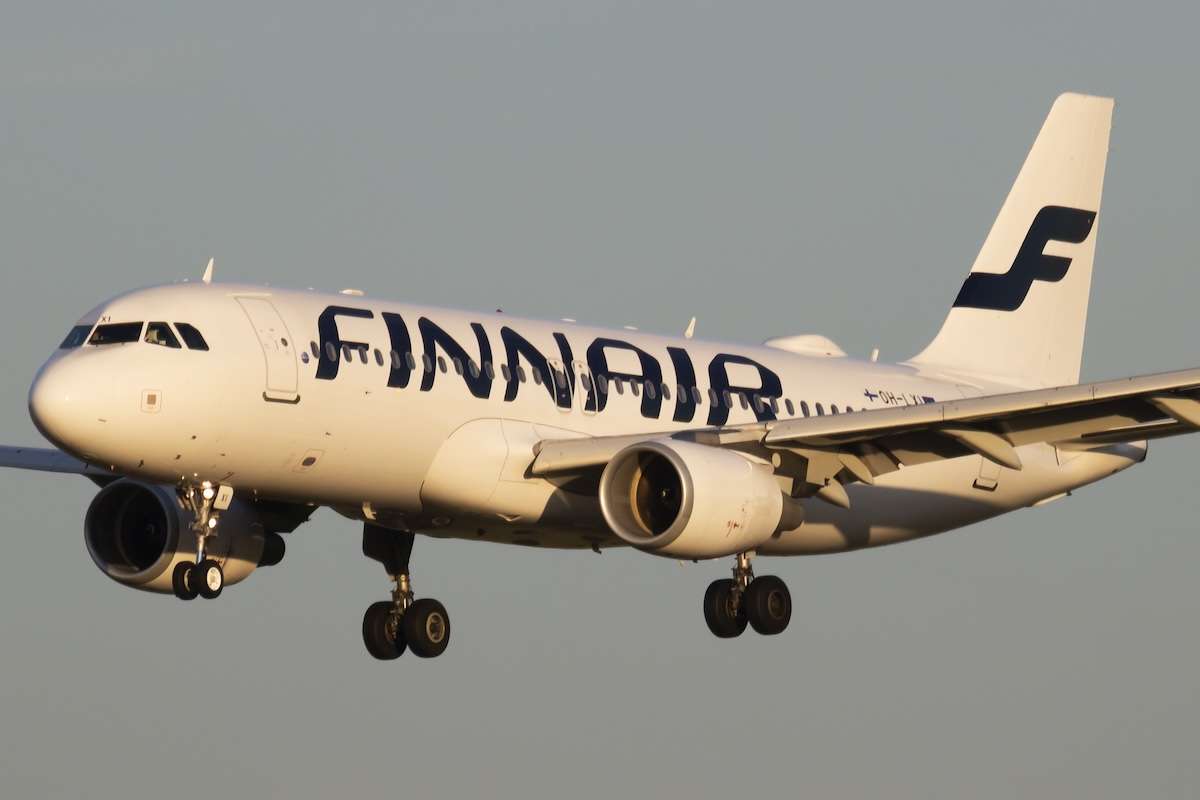
Finnair is scrambling to add capacity to its short-haul network across Europe and is looking to lease used A320 family jets.
Fagged by Flightglobal, but part of a broader mission by the airline to acquire used jets to replace outgoing A319 and A320s, this process is ramping up.
In a rarer moment of urgency for the flag-carrier, there’s not just a need to replace the older narrowbody jets and add capacity to its operations, but also to meet the strong demand across its network.
Finnair’s Older A320 Fleet
Finnair’s narrowbody fleet in Europe is showing its age compared to its counterparts, with the business heavily reliant on the Airbus A320 family. The lack of next-generation jets in service paints a startling picture.
The airline’s fleet of A319-100 models totals 5, with the latest data showing that 4 are active and 1 is parked. However, this variant has an average age of 25.1 years and is the oldest model in the fleet.
Closely followed by the A320-200, the airline has 10 jets in the A320ceo family. A true workhorse, it is not much older than the A319 fleet, the middle-ground model, with an average age of 24 years.
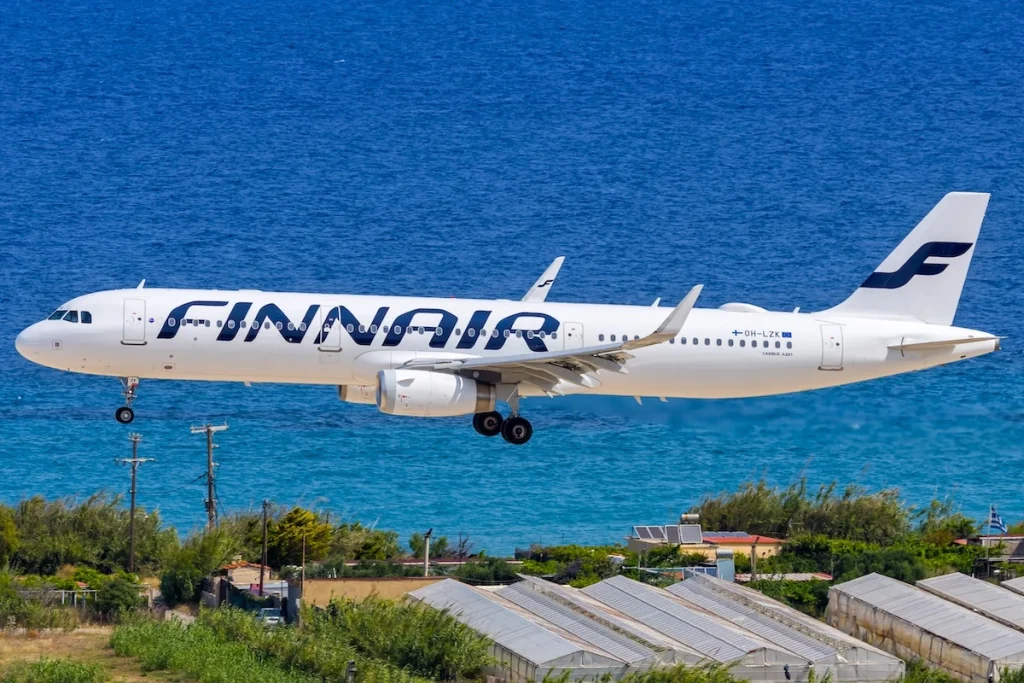
It’s the A321-200s, which are slightly older at 11.9 years and with 14 units in service, that round off the commitment to the single-aisle family. It is clear that the A320neo family is not represented; this is the new engine option for the A320 family that many airlines have adopted to drive down costs.
Certainly, emphasis is placed on the older A320 fleet, but the average age of the airline’s entire fleet is 15.7 years and isn’t helped by the ERJ-190s from Embraer, which are also 18.1 years old. The smaller ATR72s are not much better at 17.2 years.
It’s this ageing fleet that, as operating costs continue to rise, becomes a major cause for concern and needs to be replaced. While some replacement efforts have begun, they have not yet resulted in genuine deliveries.
Finnair’s Push For More Aircraft
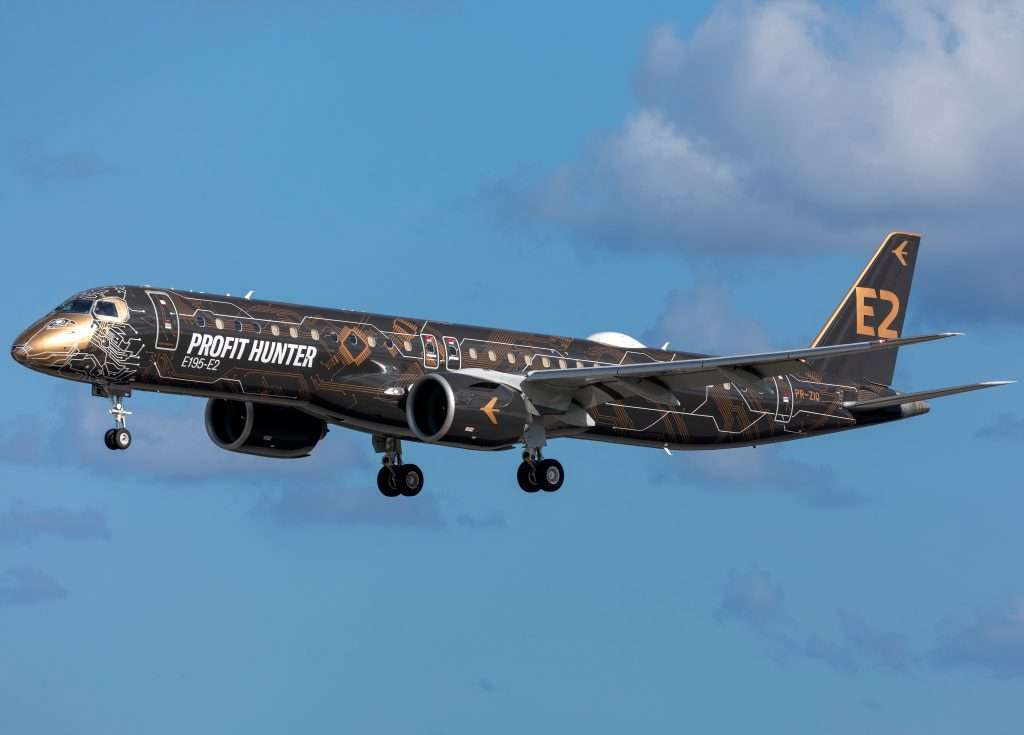
The core plan for the airline is a mixed refresh, which includes a firm order for the Embraer E195-E2s, with significant options and purchase rights attached. Those jets will replace the older EJets while also enabling growth and focusing on the more regional and feeder-traffic part of the business.
However, given the desperate need for more adequate single-aisle jets for longer European flights, it’s the second-hand A320neo family jets, even the A321ceo, that will be acquired through lease.
These planes, unlike the E2s that have been ordered, are more of a bridge solution for the airline to replace and therefore retire some of its oldest A319 and A320 jets, which are said to be immediately. That retirement provides greater flexibility, lower costs and a more youthful fleet.
The decision to lease is simple; it comes amid the general lack of new aircraft availability as preparations continue to surge, including key discussions and negotiations with lessors and/or sellers in the second-hand market to make a transaction work.
Pricing and availability are said to be improving, according to the airline’s Chief Executive, and this is a key factor in making a decision moving forward on the acquisition of the jets and on what is available. Wetleases or operating leases are important considerations, given that this is a short- to medium-term bridge solution rather than a long-term purchase.
While replacement is one avenue, Finnair has also been seeing strong demand and needs; therefore, the right short-haul mix is needed to quickly rebuild its network profitably. That push then not only ensures local connectivity but also feeds into its own long-haul operations flown with its youngest A350 family.

ABOUT THE AUTHOR
Daniel Fowkes is a Melbourne-based aviation analyst and journalist with over a decade of industry experience. As founder of Dj’s Aviation, he delivers trusted analysis on aircraft, airline strategy and global aviation trends for djsaviation.net
Related Articles




Stay Informed
Get the latest aviation news, analysis and route updates delivered to your inbox.
We respect your privacy. Unsubscribe at any time.
Enjoyed this story?
Make us your go-to for aviation news
Add us as a preferred source on Google and see our latest stories first in Top Stories.
Add Us On Your News FeedRelated articles
· Airlines
Allegiant Air Buys Six More 737-8s From Boeing
Daniel Fowkes
26/10/2026
· Airlines
Emirates vs Qatar Airways: The Gulf Superhub Rivalry Compared
Bryan Shelmon
26/10/2026
· Airlines
Riyadh Air Is Moving Away From Riyadh
Daniel Fowkes
26/10/2026
· Airlines
Emirates Isn’t Worried At All
Daniel Fowkes
25/10/2026