
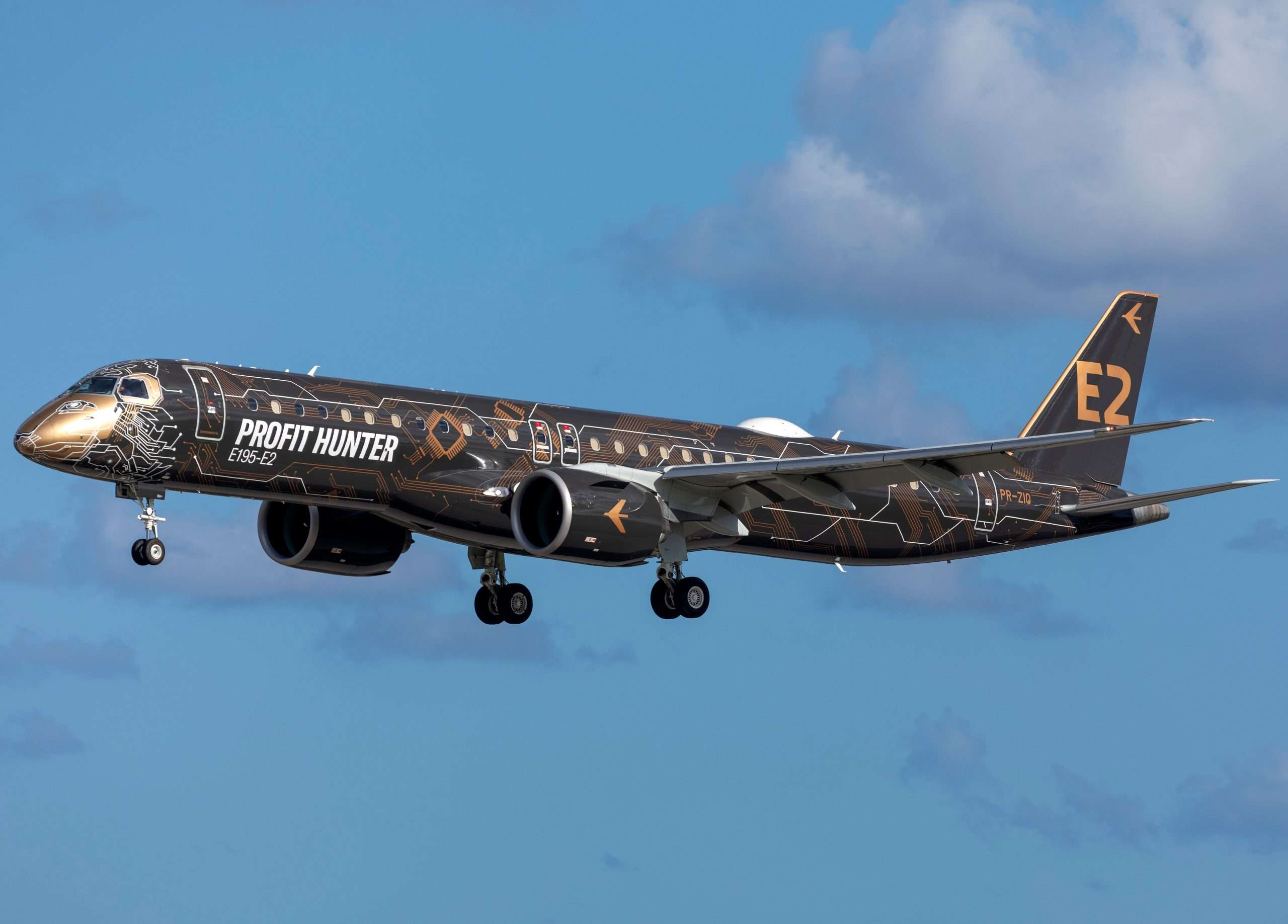
Finnair is pressing ahead with a major renewal of its narrowbody aircraft, signing for Embraer E195-E2S and Airbus jets.
The multi-billion-euro investment is designed to reset the short-haul network while also supporting future growth and has been a long time in the making.
Finnair Buys The Embraer E195-E2
First, Finnair has signed a purchase agreement with Embraer covering 18 firm E195-E2S, backed by 16 options and 12 purchase rights, giving the business comfort in knowing it can take as many as 46 jets over time to meet short- to medium-haul requirements.
Under current delivery forecasts, the airline would see the first E195-E2 arrive in 2027, with deliveries continuing in the years to come, representing a relatively quick turnaround not possible with Airbus or Boeing’s next-generation single-aisles, which are sold out for the next decade.

Finnair has also locked in spare PW1900G engines and long-term maintenance for the E2 fleet, which will support its commitment to efficiency and reliability, with the CEO saying the E2 adequately supports growth and profitability.
The E2 series, while not having the same widespread adoption as the A220, A320neo, or 737 MAX, has quickly become a reliable, best-in-class alternative that offers greater availability and opportunities for airlines willing to make the change.
Finnair To Also Buy Airbus Aircraft
Alongside the Embraer deal, Finnair is also planning to source up to 12 Airbus A320/A321ceos from the used-aircraft market to directly replace its older A319s and A320s that are over 20 years old and remain in service.
The exact number and delivery timing of these pre-owned Airbus jets, however, will be refinanced according to the business as negotiations continue. Still, the intentions regarding fleet replacement for these jets are clear.
Finnair will replace smaller, aging A319s with larger, much younger narrowbodies that better match demand on key European routes. Adding more A321s, with their additional seat capacity, is a strategy seen across the industry as airlines leverage the higher-capacity single-aisle to meet growing demand that base models cannot capture.
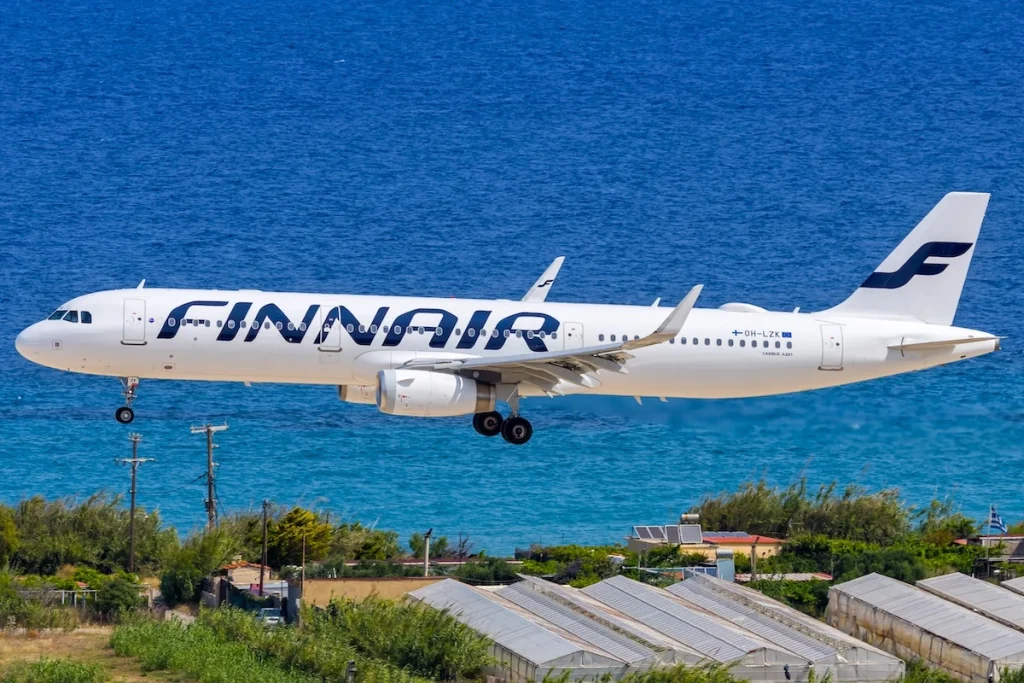
The dual strategy sees the airline not just build an enhanced regional division but also balance capital spending and capacity growth with a strong investment that, for the moment, does not include a direct purchase of new next-generation Airbus A320neo family jets.

ABOUT THE AUTHOR
Daniel Fowkes is a Melbourne-based aviation analyst and journalist with over a decade of industry experience. As founder of Dj’s Aviation, he delivers trusted analysis on aircraft, airline strategy and global aviation trends for djsaviation.net
Related Articles




Stay Informed
Get the latest aviation news, analysis and route updates delivered to your inbox.
We respect your privacy. Unsubscribe at any time.
Enjoyed this story?
Make us your go-to for aviation news
Add us as a preferred source on Google and see our latest stories first in Top Stories.
Add Us On Your News Feed