
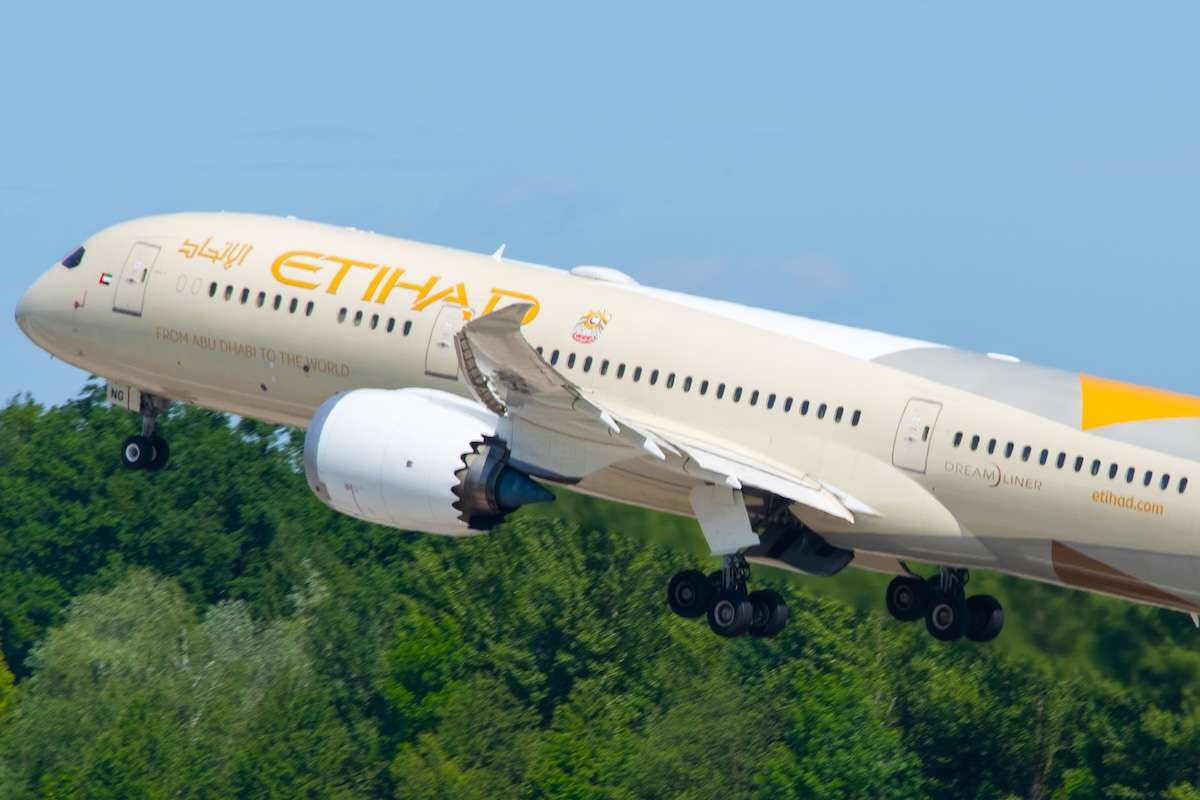
Gulf carriers such as Etihad Airways are circling delivery slots occupied by Air India, with opportunities present to take on next-generation aircraft sooner.
The new opportunities spurred by the reported deferrals from Air India likely involve a multitude of Airbus and Boeing jets across single-aisle and narrowbody aircraft, with the 2029-2030 window being of particular focus.
A Chance For Capacity Sooner At Etihad Airways
Sources flagged by The Economic Times, among others, state that Gulf carriers Etihad Airways and Saudia are specifically circling planemakers Airbus and Boeing to take over delivery positions currently held by Air India.
Those discussions, while preliminary, do necessitate the Indian flag carrier moving forward with reported delivery delays, thereby opening slots that can create opportunities for other airlines that are more stable and have a strong order book to secure capacity sooner.
One person familiar with the matter was quoted as saying that Etihad Airways was the closest to moving forward with the acquisition of Boeing 787 jets sooner than expected if all pans out. That prospect involving the talks for half a dozen Dreamliners expected to be delivered, but could be brought forward.
In a widebody market that’s constrained, the chance to grow capacity if needed sooner than waiting the lengthy times put forward by Airbus and Boeing for their new planes is an opportunity that doesn’t come around every day.
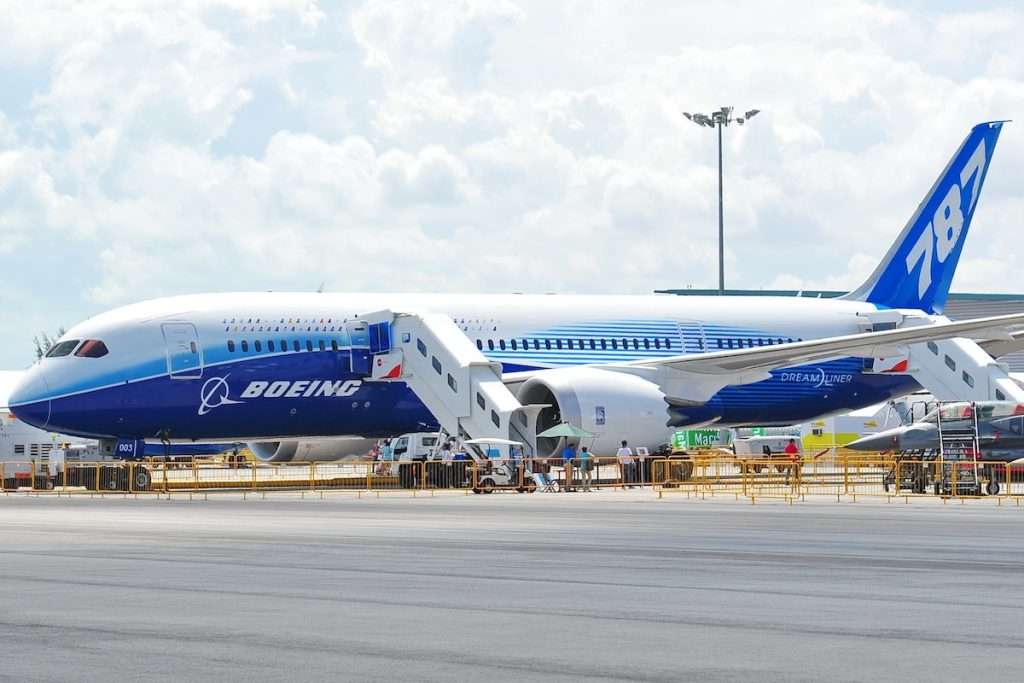
Boeing and Airbus have both declined to comment on the delivery pipelines, something they will never do until the airline, in this case, Air India, confirms its position change and defers aircraft, then shifts in delivery windows for the Gulf carrier, if executed, would become clearer.
For Etihad Airways, which is progressing with its Journey 2030 ambitions and has seen strong performance since implementing this growth strategy, the opportunity to add capacity sooner is worthwhile. Not every airline will share the same sentiment; however, Gulf carriers certainly are looking to pounce.
Why Would Air India Delay New Aircraft
For Air India to reconsider delaying aircraft is quite the positional change from a business that committed so heavily to hundreds of next-generation jets in recent years. Those purchases with Airbus and Boeing are seen as integral to turnaround efforts.
This turnaround, while never expected to be an overnight procedure, has always been ambitious and has not had a 100% guarnnetee of working out. Thus far, it’s panned out worse than what ownership would have expected, and the losses have ballooned to near USD 3 billion for the last financial year.
Air India’s new planes have already been facing delays due to supply chain shocks, cabin part shortages, and more, but the latest woes surrounding its losses have become a more pressing concern, centred on delivery windows within its control, which are now the subject of reported reviews.

To curb losses, the airline is looking to cut costs and, with that in mind, significantly reduce expansion to a level it can manage outgoings. That means the hundreds of flashy new aircraft that were expected to be delivered to the airline, while they may still be, won’t be at the timeframe initially signed if the discussions materialise into something firm.
Deferring jets due for delivery through the end of the decade to the next decade will help ease near-term capital pressures associated with new aircraft arrivals. Instead, the business can focus on systemic issues that need to be rectified so that, when the new planes arrive, it is stable and truly ready. However, there’s no guarantee that it will ever happen.

ABOUT THE AUTHOR
Daniel Fowkes is a Melbourne-based aviation analyst and journalist with over a decade of industry experience. As founder of Dj’s Aviation, he delivers trusted analysis on aircraft, airline strategy and global aviation trends for djsaviation.net
Related Articles




Stay Informed
Get the latest aviation news, analysis and route updates delivered to your inbox.
We respect your privacy. Unsubscribe at any time.
Enjoyed this story?
Make us your go-to for aviation news
Add us as a preferred source on Google and see our latest stories first in Top Stories.
Add Us On Your News FeedRelated articles
· Airlines
Allegiant Air Buys Six More 737-8s From Boeing
Daniel Fowkes
26/10/2026
· Airlines
Emirates vs Qatar Airways: The Gulf Superhub Rivalry Compared
Bryan Shelmon
26/10/2026
· Airlines
Riyadh Air Is Moving Away From Riyadh
Daniel Fowkes
26/10/2026
· Airlines
Emirates Isn’t Worried At All
Daniel Fowkes
25/10/2026