

Ethiopian Airlines is reportedly in early discussions with Airbus over a brand-new aircraft order that would include a mix of A350s and A220 regional jets.
According to reports, the African carrier, which is ambitious in its growth targets, would be eyeing six additional A350 widebodies. Further to this, it would purchase 20 A220 regional jets, a new type that would join the fleet as part of renewal efforts currently underway.
The A350s, while the smaller part of the deal, further signal the intent of the largest carrier in Africa and its attempts to have enough aircraft to fuel its ambition not just across Africa but connecting the world to its home, and its home to the world.
CEO Mesfin Tasew has already indicated that new discussions are part of Vision 2035, in which the business aims to be a top-20 global airline and to have its upcoming Bishoftu mega hub completed and operational.
Ethiopian Airlines said in April that it aims to have a fleet of 350 aircraft by 2040, as part of its Vision strategy. While the fleet now has over 100 aircraft, there’s a lot of room to grow with upcoming infrastructure, thus new deals are continuously being studied to end competitors’ hopes of stealing the business’s throne.
Ethiopian Airlines Turns To The A220
The Airbus A350 is already part of Ethiopian Airlines’ operations, and the backlog and deliveries of the A350-1000 in recent years have certainly highlighted this plane’s role. Therefore, it’s the A220 deal that sparks more intrigue for the African carrier.
The A220 slots into the sweet spot of efficiency, being a 100-150-seater aircraft, with a 160-seater A220-300 option coming in the next few years as well, thanks to changes. Even now, there’s the prospective A220-500, with lots of reported interest from airlines as a further stretch and thus a capacity bump.
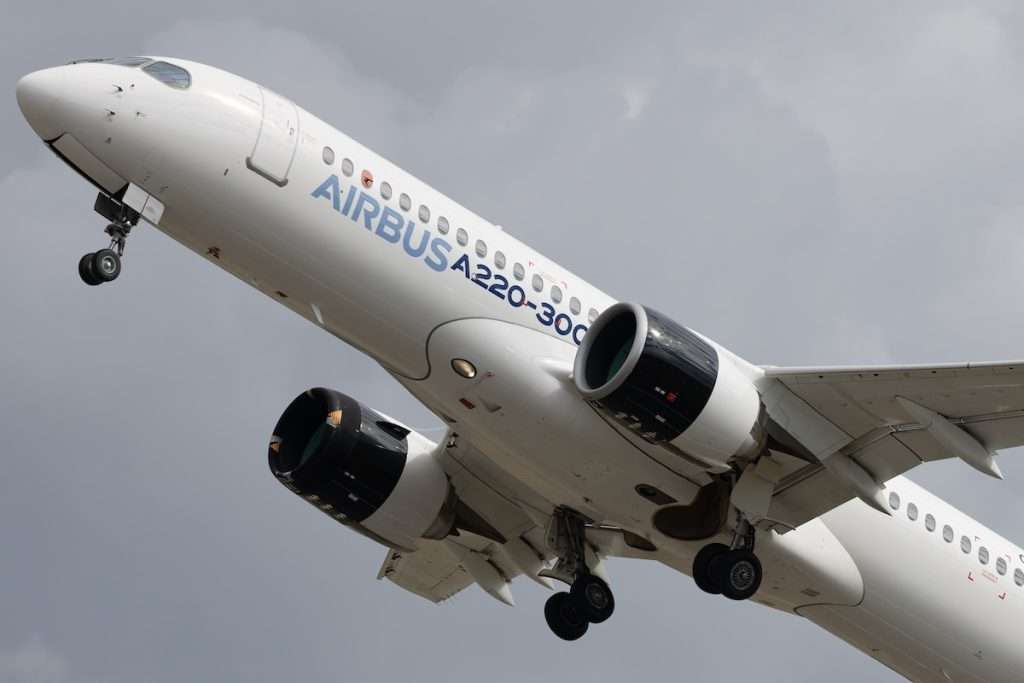
For Ethiopian Airlines, this type of aircraft is considered a suitable option for intra-Africa feeder routes, which are thinner in nature and still have demand but ultimately require lower costs to make their service profitable.
With a 25% reduction in fuel consumption and lower seat costs than the predecessor aircraft, these planes also offer a strong range, including ETOPS-180. Therefore, they present the opportunity to unlock a more remote operational structure, whether that’s over water or to destinations off the beaten track.
Replacing those predecessor aircraft, which are naturally less efficient, is another important factor behind this interest; the A220 is a plane that Ethiopian lacks in its fleet mix. However, these jets could go on to help replace some of its older aircraft, with still 18 737NGs in service at the mainline carrier.
Airbus A350s Boost Long-Haul Opportunities
Six more Airbus A350s, if executed, will further build on this African carrier’s strong reliance on the European widebody jet and enhance ultra-long-haul reach when complemented not just by existing models but specifically by jets like the 777X, which are also expected to be delivered.
The range capabilities of the A350-900 lessen the pressure on existing widebody jets and fundamentally open up new opportunities to bypass Middle Eastern hubs now more than ever, with geopolitics a continuing threat.

Ethiopian Airlines has targeted a 2028 prospective launch to Australia. This ambitious global expansion will therefore require not just the efficiency gains from next-generation jets but also a fundamentally larger fleet to make these routes viable without impacting existing services.
Purchases like these also come hot on the heels of a recent 787 order in April, in which the business exercised options for six additional jets to improve the backlog further and bring much-needed support to the network.

ABOUT THE AUTHOR
Daniel Fowkes is a Melbourne-based aviation analyst and journalist with over a decade of industry experience. As founder of Dj’s Aviation, he delivers trusted analysis on aircraft, airline strategy and global aviation trends for djsaviation.net
Related Articles




Stay Informed
Get the latest aviation news, analysis and route updates delivered to your inbox.
We respect your privacy. Unsubscribe at any time.
Enjoyed this story?
Make us your go-to for aviation news
Add us as a preferred source on Google and see our latest stories first in Top Stories.
Add Us On Your News Feed