

China Airlines has become the next carrier to adjust its fleet renewal efforts as new Boeing planes are delayed.
The Taiwanese carrier says that the adjustment will involve the delayed retirement of older, less efficient planes, which should’ve been on the way out.
The postponement of the retirement of jets at China Airlines is a measure being undertaken to prevent losing valuable market share and avoid capacity drop-offs across locations.
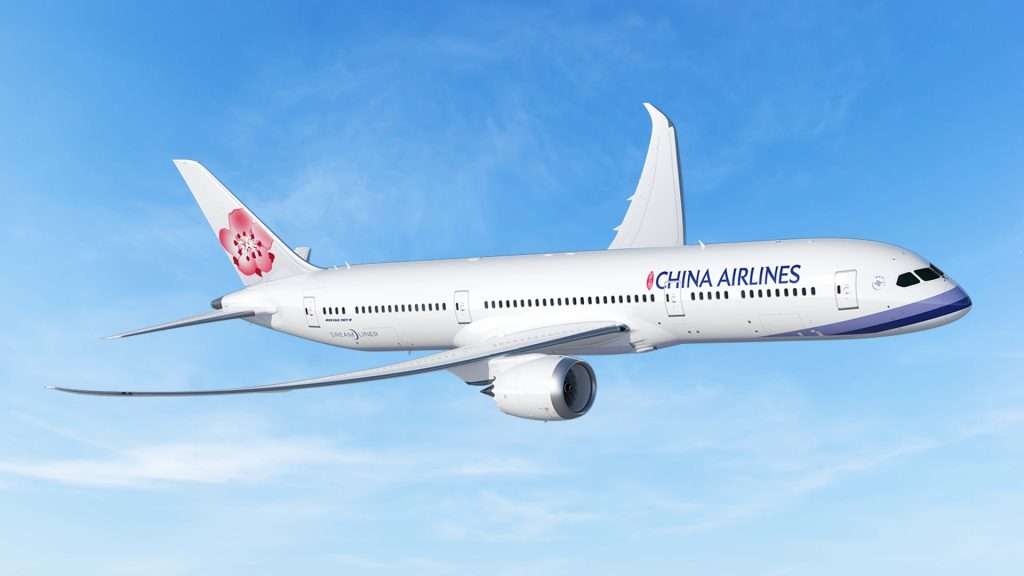
The Chairman, George Kao, said that the Boeing 787-9s were intended to help replace aircraft such as the A330 and, surprisingly, some 737-800s, as the Dreamliner offered a significant boost over these older types.
However, due to Boeing’s inability to deliver jets as intended, primarily because of its internal troubles and not just supply chain woes, over recent years, the renewal of the business is not occurring at the intended pace.
Looking ahead, a commitment for 24 Boeing 787s has been signed, with the jets expected to serve a mix of regional and long-haul markets, including those covered by the 787-9 and 787-10.
China Airlines says the Boeing delays are impacting its ability to move forward, with the impact being significant, and as a result, seeking compensation is a possibility, according to comments shared with Reuters.
The carrier should have already phased out more aircraft from its operation by now, or even handed them back to lessors, but this has not happened, and in some cases, leases have been extended.
One of the frustrations for China Airlines, which cannot be helped to a degree, is that Boeing, on the part of the American planemaker, is unable to provide exact timeframes, which makes future planning a challenge.
A Problem For Boeing Customers
China Airlines would not be alone in being impacted by the delays across Boeing’s commercial aeroplane divisions.
The extent of the delays continues to vary, and therefore, the impact on specific airlines also changes, some seeing more extended periods without new aircraft than others.
Despite the length, the impact, however long it may be, undoubtedly remains the same, and that involves the overall fleet, route, and business planning, which is impacted by an inability to know when new assets are arriving.

For some, it’s the retirement of older, less efficient planes, which must occur at the time of a new arrival, but with a lack of communication, resulting in firm dates that make the retirement of these older jets more challenging.
As a result, the possible knock-on effect trickles down to finances and even the ability to serve specific locations that were only going to launch once the said jet was to arrive, whether from Airbus or Boeing.

ABOUT THE AUTHOR
Daniel Fowkes is a Melbourne-based aviation analyst and journalist with over a decade of industry experience. As founder of Dj’s Aviation, he delivers trusted analysis on aircraft, airline strategy and global aviation trends for djsaviation.net
Related Articles




Stay Informed
Get the latest aviation news, analysis and route updates delivered to your inbox.
We respect your privacy. Unsubscribe at any time.
Enjoyed this story?
Make us your go-to for aviation news
Add us as a preferred source on Google and see our latest stories first in Top Stories.
Add Us On Your News Feed