
Cathay Pacific plans to order up to 50 more widebody aircraft from Airbus or Boeing as part of its final investment in its fleet for the upcoming cycle.
The Hong Kong-based carrier’s decision would add more jets to an already extensive backlog spread across the two planemakers.
Discussions are reportedly set to begin in 2027, per Bloomberg, with work to source the aircraft to support deliveries through the 2030s for growth and renewal, and to secure delivery slots as availability pressures persist.
Cathay Pacific looks to the future for 50 aircraft
While still to be confirmed and subject to discussion and evaluation, the order for up to 50 widebody jets from either Airbus or Boeing isn’t aimed at addressing the business’s immediate capacity requirements, but rather its long-term needs.
The timing of negotiations starting in 2027, combined with the current scarcity of next-generation products following strong commitments from other airlines, positions these orders for delivery deep into the next decade.
Cathay Pacific has not yet committed to aircraft, selected a manufacturer, or entered into discussions. While up to 50 jets have been floated as the reported figure of interest, this is subject to change.

The Hong Kong carrier will need to speak directly with planemakers and its board, and evaluate how many aircraft, whether split between firm orders and options, would meet renewal and growth requirements deep into the next decade.
Cathay Pacific has already bought heavily for the future, committing to new regional and long-haul widebody aircraft to support its established fleet. The agreements with Airbus and Boeing, which are being delivered or expected, provide near-term support, but this latest reported deal looks beyond that.
Boeing 777-9 already part of the fleet
Pursuing larger widebody jets offers several options, but in an era when manufacturers have moved away from ultra-high-capacity jumbo jets to streamlined twins, combining large and widebody options makes them immediately available.
First, the Boeing 777X programme, a series Cathay Pacific has already committed to, with a decision in August 2025 to exercise purchase rights for a further 14 777-9s, bringing its commitment to 35 to support long-haul growth and replacement efforts.
In the interim report, where the airline confirmed its decision to exercise the 14 777-9s, it noted that it had also acquired rights to a further seven units. The 777-9, expected to begin deliveries in 2027, is the largest jet on the market and something the business will rely heavily on.
Cathay Pacific has committed heavily to Airbus
While Cathay Pacific has positioned itself heavily around the 777-9, it continues to operate with a dual-manufacturer strategy, and Airbus continues to provide a strong number of widebodies to the business.
The Group has placed an order in the last two years for the A330neo, with 30 A330-900s selected to modernise its fleet and, crucially, replace the older A330COs, which have been pivotal for regional and international flying, including sectors to Australia historically.
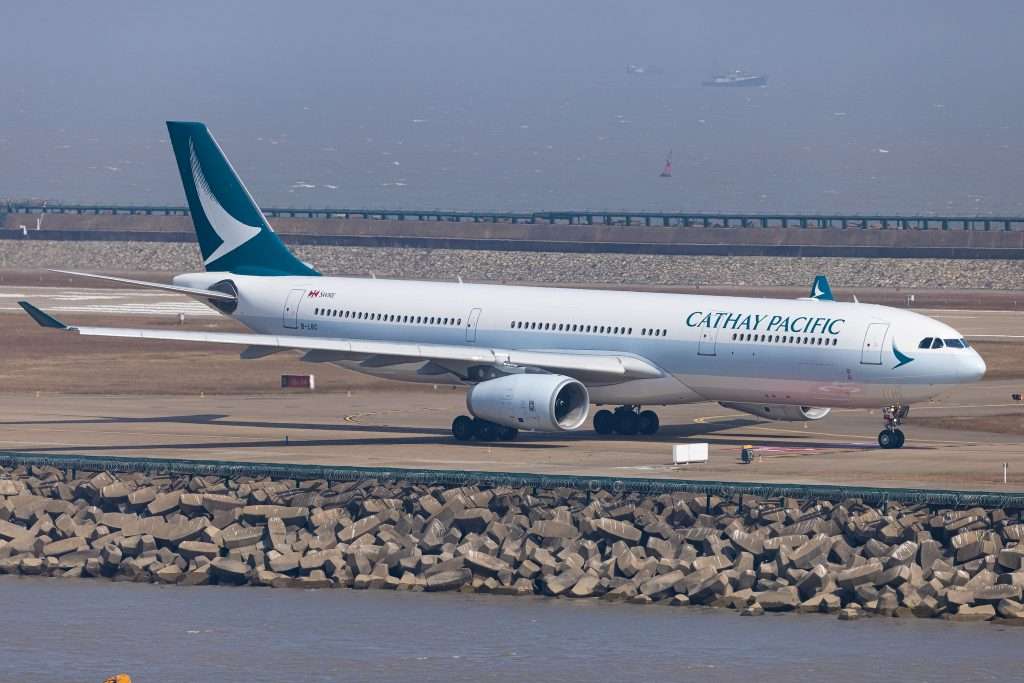
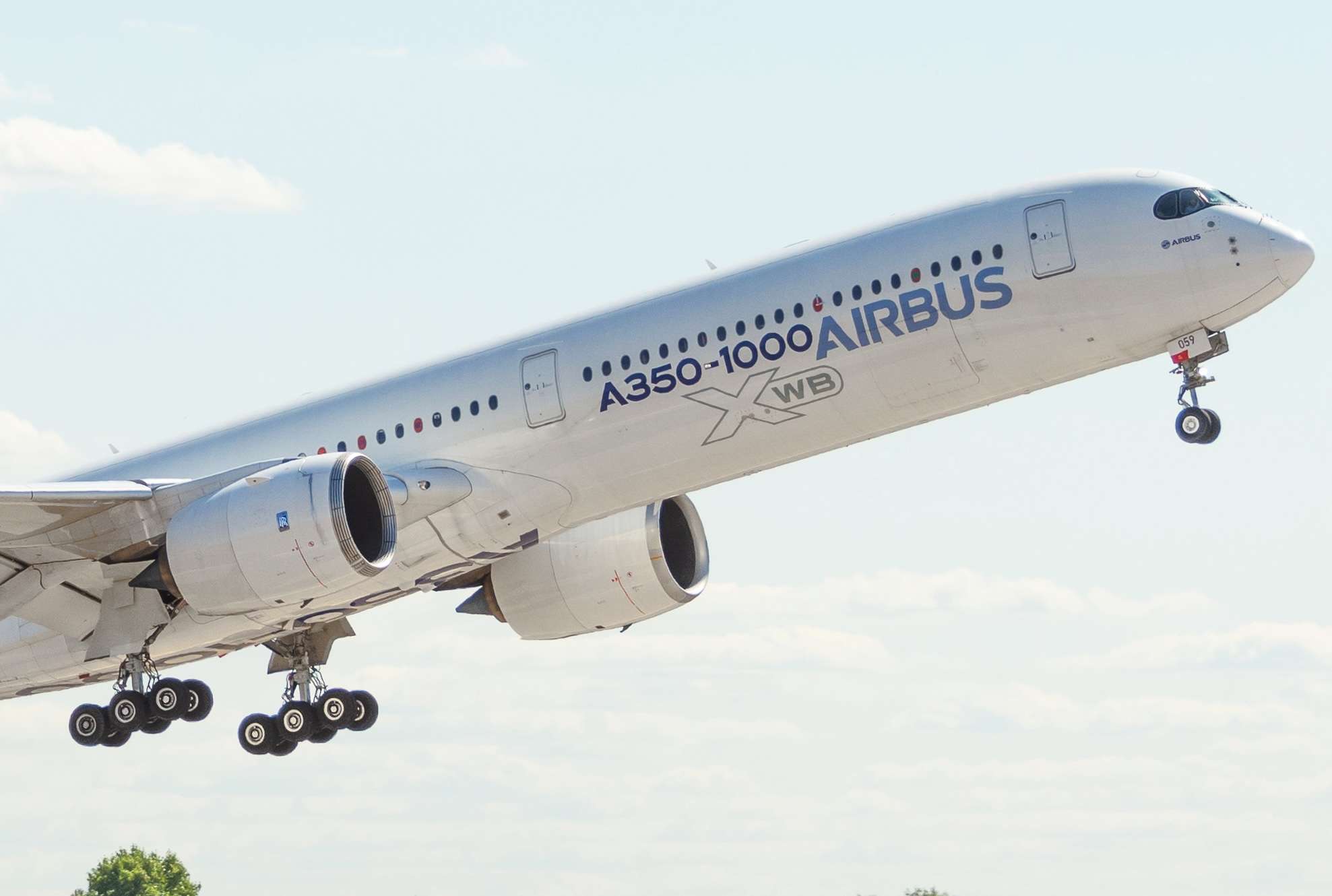
Beyond the A330neo, the A350 family also acts as the first widebody to join the new fleet, with further purchase rights separately as part of that deal. The A350-900 and A350-1000 are already in the business, and for commonality, like the 777-9, a further purchase would make sense.
A new large widebody aircraft maybe?
With up to 50 aircraft possibly being studied, and Cathay Pacific a hub-and-spoke operator that doesn’t fly the A380, the need for strong capacity across its commercial fleet remains high as it leverages Hong Kong International Airport and serves some of the world’s most congested airports.
Airbus and Boeing are both studying the prospect of launching a new high-capacity aircraft that would stretch their A350-1000 and 777-9, respectively. These feasibility studies, formally greenlit in 2025, have not yet reached a firm launch decision, but multiple airlines are already reported as interested.
In Airbus’ case, the A350-2000, as it has been dubbed, would comfortably seat over 400 passengers and represent a step above the existing A350-1000, providing a solution to pressing capacity requirements at a fraction of the cost of a past A380-type aircraft.
Furthermore, the Boeing 777-10 would also fit comfortably in the 400-plus seat category if pursued, with Emirates lobbying hard for this variant to be released in the future as it struggles to source a true replacement for its A380 fleet.
Cathay Pacific, if studying a new large widebody aircraft, may look to these high-capacity models as possible solutions if it’s specifically eyeing support for long-haul operations into congested cities such as London Heathrow, Los Angeles, or beyond.

ABOUT THE AUTHOR
Daniel Fowkes is a Melbourne-based aviation analyst and journalist with over a decade of industry experience. As founder of Dj’s Aviation, he delivers trusted analysis on aircraft, airline strategy and global aviation trends for djsaviation.net
Related Articles




Stay Informed
Get the latest aviation news, analysis and route updates delivered to your inbox.
We respect your privacy. Unsubscribe at any time.
Enjoyed this story?
Make us your go-to for aviation news
Add us as a preferred source on Google and see our latest stories first in Top Stories.
Add Us On Your News Feed