

The Boeing 747 reshaped long-haul flying immediately following its entry into service in 1970. Its four-engine design and passenger capacity made it the backbone of long-haul travel.
However, as the industry evolved and the 2000s came around, the economics of operating the 747 became less favourable than those of other emerging jets.
Airbus’ proposed A350-2000, or A350 Stretch, was envisioned as a high-capacity solution built on the A350 platform and evolving from the already existing -1000 model.
While this variant hasn’t gone on to launch, if it had done, could it have realistically been the genuine high-capacity alternative that airlines would need to replace the 747?
Introducing The A350-2000
The A350-2000 was pitched as addressing the evolving requirements of airlines across the industry in a complex environment.
As Airbus has focused on offering airlines a perfect balance between efficiency, sustainability, and profitability, continuing to evolve has been of paramount importance.
With these fundamental avenues of focus, airlines’ reliance on quad-engined superjumbos, such as the beloved 747, has continued to fade.
Instead, twin-engine widebodies like the Boeing 787 and Airbus A350 have risen and become the true leaders in providing the flexibility that airlines require. However, this is all being done with fewer passengers carried.
The A350-2000 would extend the design of the A350-1000. The jet, in essence, would incorporate a presumed longer fuselage that would bump the capacity up, likely 40 passengers, bringing the total over 400 in a two-class configuration and giving airlines greater flexibility.
With capacity, the planemaker could pitch the aircraft as an efficient replacement for aging options such as the 747 and, while not wanting at the time, even A380 customers looking to move onto more efficient options.
Struggles With The Aircraft
Despite its promise, the A350-2000 never progressed beyond the conceptual stage, which means that Airbus has stuck with offering its customer base only the -900 and -1000 variants.
At the time of the A350-2000s studies, the world’s largest passenger plane, the A380, was still being produced. There were visible concerns that if a -2000 had launched, there would have been a program-ending impact on the A380.
However, interestingly, production of the A380s would cease anyway just a matter of years later, as a last-gasp sales pitch failed to attract new customers.
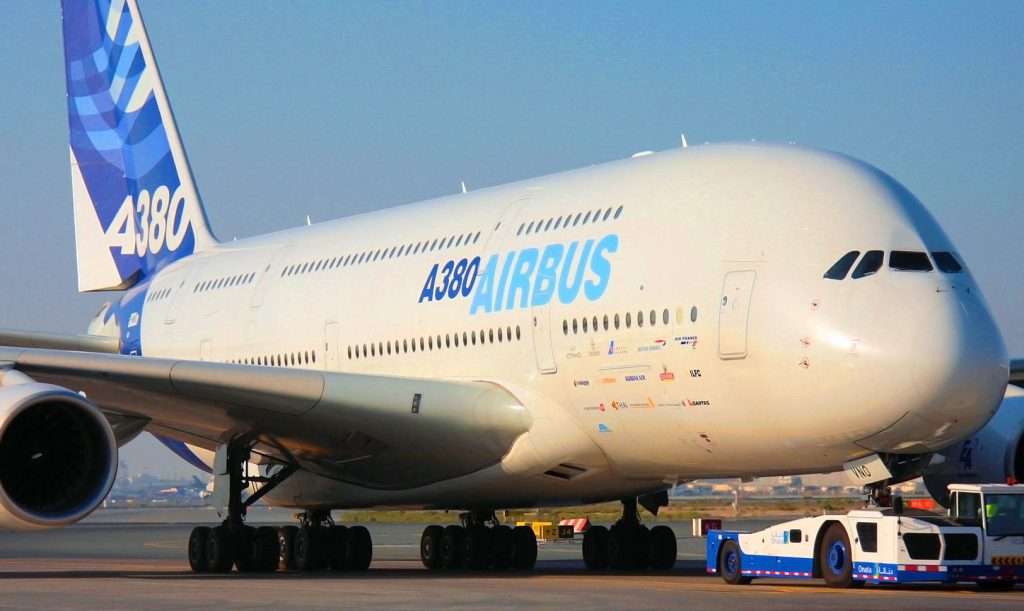
While ultra-high-capacity airliners have been fundamental for airlines worldwide for so long, they have associated risks, and some airlines have leaned on high-capacity planes that offer greater flexibility. These movements highlight the industry’s evolving trends, which have been of great focus.
Had the A350-2000 been developed, it would have offered airlines another option for added capacity and a possible means to replace some quad-engined aircraft from a capacity standpoint.
While this prospective variant would’ve offered airlines a great deal, the complexities in getting the plane to market seemingly outweighed the positives that may or may not have ensued.
Airbus since argued that an A350-2000 while a possibility wasn’t at the forefront of its focus. Much of that came down to the planemaker wanting to focus on the already in-production or announced variants.
Development of the A350-1000ULR, A350ULR and even A350F have proven that further development of the series has been possible and there has been interest. However, Airbus is calculated with its movements and will only launch a plane that it sees fit.
Airbus A350-2000 vs Boeing 747
Comparing the A350-2000 to the 747 reveals contrasts in their design philosophies and impact in the market. The 747 remains iconic and represents for many the golden age of the industry where luxury was brought into the cabin.
While the A350-2000 hasn’t launched, the broader series represents a new era that has focused on sustainability and looked to address the current requirements of airlines in the 21st century, unlike the 747.
The A350-2000 would offer customers what they desire in terms of a high-capcity alternative and for some commonality with the ability to leverage the variants in the program to have different types for different purposes.
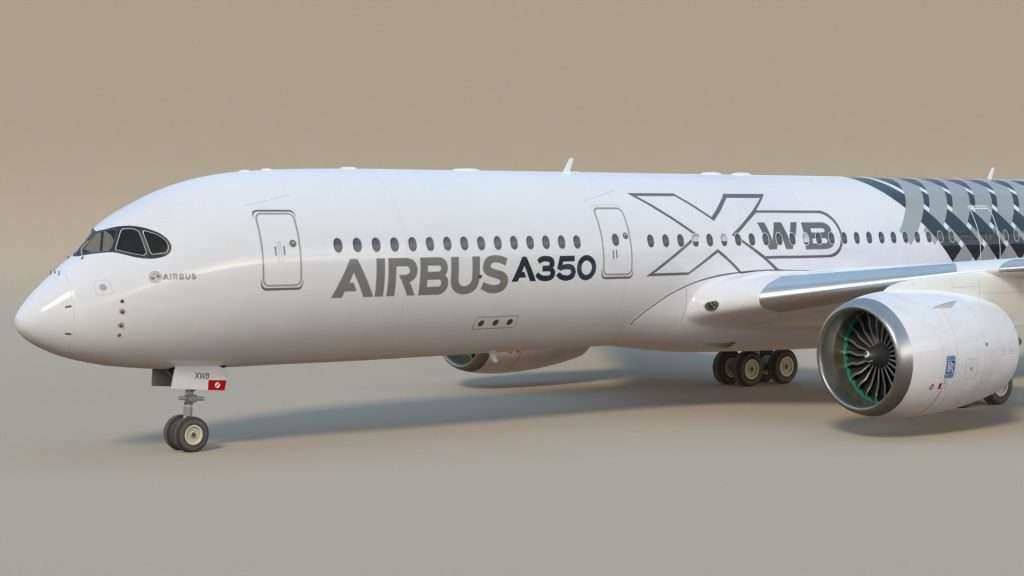
However, with Airbus deciding not to pursue the variant the platform offered through the -1000 has been deemed the most optimal choice for flying into the future with this the highest capacity offering to date.
Some airlines have looked to the A350-1000 for their quad-engine replacement efforts, however, its also been the role of the 777X to act as an important long-haul jet to bring in an age where efficiency is of greater focus.
Much of airlines business models have also adjusted and for many airlines long gone are the days where the reliance is on ultra high capacity airliners. These companies alongside manufacturers believe that the requirement of these type of aircraft isn’t what it once was and more modest alternatives can replace types such as the 747.
Was This A Good Replacement?
Could the Airbus A350-2000 have replaced the Boeing 747? Technologically, the -2000 would’ve offered a fantastic bed to build upon for airlines with the stretch offering great possibilities for the cabin product.
Furthermore, for routes operated by airlines into highly slot restricted airports there may have been an appeitie for such a variant. However, as the 747 departs the broader industry so does this heavy reliance on planes of this stature.
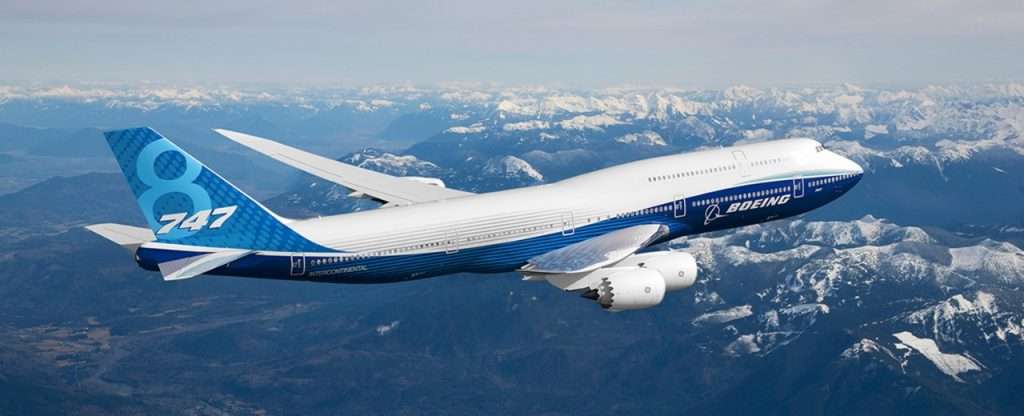
Nowadays, airlines are moving towards more efficient twin-egine types that are equally modest in their capacity as these planes offer great flexibility across airlines day to day network.
Ultimately, Airbus’ decision also not to proceed with the A350-2000 saw it believe its current portfolio of variants offered customers everything they would desire and more.
While the A350-2000 will forever remain a “what if,” it certainly reflects the ongoing challenges at planemakers for balancing innovation with efficiency and profitability in a product. All the while making sure there aren’t many overlaps or complexities.

ABOUT THE AUTHOR
Daniel Fowkes is a Melbourne-based aviation analyst and journalist with over a decade of industry experience. As founder of Dj’s Aviation, he delivers trusted analysis on aircraft, airline strategy and global aviation trends for djsaviation.net
Related Articles




Stay Informed
Get the latest aviation news, analysis and route updates delivered to your inbox.
We respect your privacy. Unsubscribe at any time.
Enjoyed this story?
Make us your go-to for aviation news
Add us as a preferred source on Google and see our latest stories first in Top Stories.
Add Us On Your News Feed