

Boeing this weekend will reach a landmark moment with its 737 MAX program, almost ten years in the making.
Vietnamese VietJet will take delivery of its first 737-8 in the coming days, with Reuters reporting a handover ceremony will take place in Renton, a facility of the planemaker.
For VietJet, the acquisition of the 737-8 is part of a significant overhaul of their operations, with not just renewal but also growth as a core focus moving forward.
The 737 MAX will form a fundamental role with the airline, and that’s more than visible, thanks to the major order consisting of 200 of the type, and also represents a shift away from Airbus.
For an airline to make the splurge and the more critical switch between planemakers, there often has to be a key reason. For VietJet, it aligns with the continued efforts to strengthen trade ties between the country it calls home and Vietnam.
In 2025 alone, Boeing has secured several trade deals with countries, resulting in the purchase of new commercial aircraft, with many of these deals occurring in Asia.
Currently, VietJet primarily relies on Airbus aircraft to power its operations and the aircraft featured range from single-aisles in the A320 family up to the A330, which remains its only higher-capacity and thus widebody model.
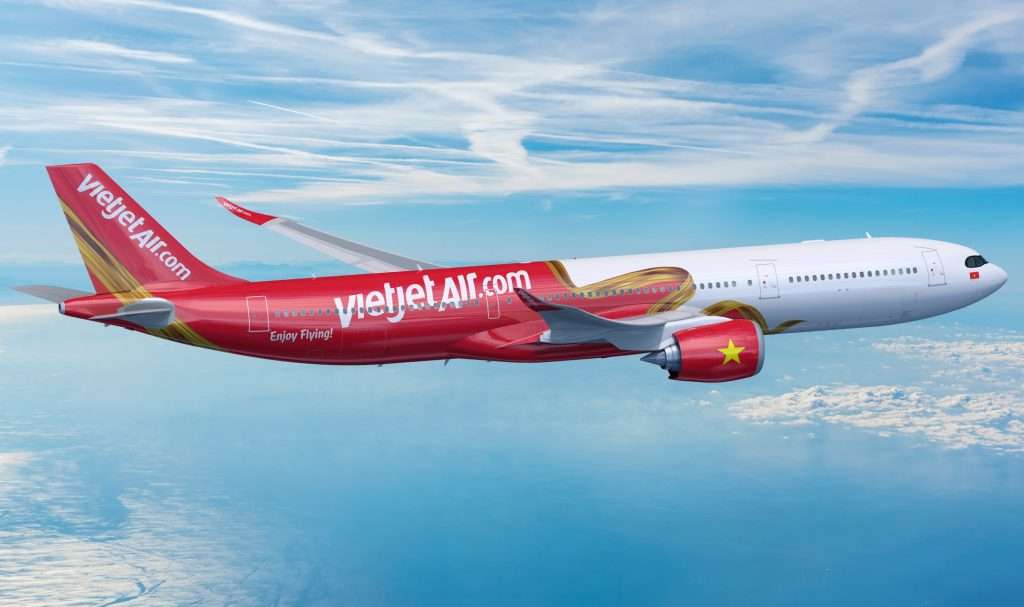
The 737 MAX deal, however, just represents one of the many planned acquisitions in the coming decade, which will elevate the Vietnamese carrier as part of efforts to grow.
This growth period has been visible across Asia as airlines seek to capture market share from competitors and leverage next-generation technologies to their advantage, becoming more efficient in the process.
Struggles With The 737 MAX
Unfortunately, it has not been smooth sailing from the first order of the 737 MAX from the Vietnamese carrier to now, eventual delivery, and the process has stretched far longer than intended.
See, the airline’s order was first placed in the early to mid-2010s. At that point, it was half of what the final order is now. The second part, which would include a further 100 units, came two years later.
As part of the airline’s commitment to the program, it had also secured delivery slots across a four-year period, which would stretch from 2019 to 2023; however, its order would also come moments before the demise of not just this single-aisle but fundamentally the Boeing that everyone once knew.

Following the deal, Boeing deliveries were either continuously postponed due to issues around the world or simply not able to be followed through because of the planemaker’s own struggles.
Between the order and the first delivery, a global pandemic also occurred, which significantly impacted airlines’ ability to acquire new planes, as survival took priority over fleet growth and renewal.
While many airlines have expressed their frustrations over the delayed arrival of new aircraft, for others they’ve leaned more into the positive side with the extended period allowing flexibility to adjust orders to meet requirements which may have changed from purchase to now, that could include a variant switch or increase in units ordered.
Ultimately, this delivery, although significantly delayed, represents another step in the right direction for the business in its continued turnaround efforts as it works through the backlog, which has only grown as output rates have not been able to match the pace at which airlines have been purchasing new planes.

ABOUT THE AUTHOR
Daniel Fowkes is a Melbourne-based aviation analyst and journalist with over a decade of industry experience. As founder of Dj’s Aviation, he delivers trusted analysis on aircraft, airline strategy and global aviation trends for djsaviation.net
Related Articles




Stay Informed
Get the latest aviation news, analysis and route updates delivered to your inbox.
We respect your privacy. Unsubscribe at any time.
Enjoyed this story?
Make us your go-to for aviation news
Add us as a preferred source on Google and see our latest stories first in Top Stories.
Add Us On Your News Feed