

Boeing has many goals for the next decade. According to Boeing’s Chief Technology Officer Todd Citron, the manufacturer wants to build flying cars and enter Asia by 2030.
Revealed exclusively to Nikkei, the plan will address the growing demand for fast, short-distance travel in areas where traffic-ridden cities mean smooth transport isn’t possible. This is part of the mission to use more air to cut journey times.
Known as eVTOL, these essential taxi-like devices will focus on vertical take-off and landings, all while being electric and featuring autonomous technology.
If it can be pulled off, the manufacturer will look to boost the service to other locations where such a flying car device might aid traffic concerns.
Before flying cars could fly in Asia, Boeing said it would seek approval from the United States and then expand into Asia. Therefore, U.S. approval is the first step in a long process before the device can be truly airborne.
While a timeline has been unveiled, Todd Citron didn’t unveil more plans about the aircraft or specific dates for the first test flights. The manufacturer is committed to ensuring the vehicle can be produced to the best of their abilities and be a genuinely innovative step within the company.
Not A First For Boeing
While news of Boeing wanting to enter the flying car market is making headlines now, following new reporting and comments from executives, this isn’t a new revelation.
In 2019, Boeing completed the first test flight of an autonomous passenger air vehicle in Virginia. Using specifically electric propulsion, the in total 30-foot prototype was able to complete vertical take-offs and landings with a range of some 50 miles.
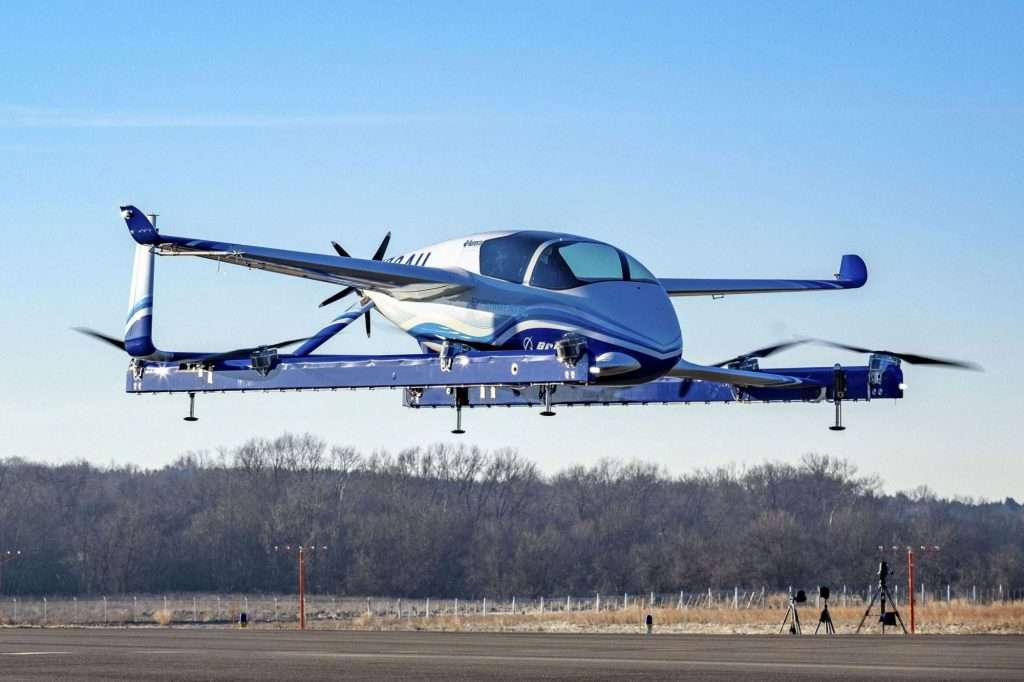
At the time, Boeing clearly said this was the future and would look to advance the project for a larger roller out in the cargo space and more.
Using Japan As A Hub
Japan will likely be one of the first markets where Boeing will roll out the flying car for the first time. While this is still unconfirmed, the manufacturer has opened a research and development base in Nagoya in the last few days.
This space had previously been opened but wasn’t solely being used by Boeing; instead, the American company needed to rent divisions to other people who required them.
Thanks to several leading suppliers in the aerospace and vehicle sector, Japan is seen as an essential location. Boeing will leverage this R&D facility’s geographical positioning to foster these relationships and bolster its new endeavour.
Additionally, the company says partnerships with Japanese universities will allow some of the best minds to spearhead key research and more. Boeing is building a team that’ll be well-equipped to bring this venture to life.
Backlash From Public
While many onlookers have long dreamed of a device such as the flying taxi to simplify journeys and get cars off the roads to ease congestion, many logistical barriers in place would need to be figured out.
Additionally, onlookers have shared their concerns about the project, given what Boeing has been experiencing recently: quality issues and immense backlash.
At least among the public, Boeing is believed to need to work on correcting key production and deeper-rooted business practices before it launches any other endeavour.
Analysts and Boeing may, however, argue that separate divisions are continuously working and not necessarily affected by the latest quality issues. Additionally, Boeing must continue looking towards new areas, markets, and ideas to ensure that it remains at the forefront as a business, even if its commercial sector is struggling.

ABOUT THE AUTHOR
Daniel Fowkes is a Melbourne-based aviation analyst and journalist with over a decade of industry experience. As founder of Dj’s Aviation, he delivers trusted analysis on aircraft, airline strategy and global aviation trends for djsaviation.net
Related Articles




Stay Informed
Get the latest aviation news, analysis and route updates delivered to your inbox.
We respect your privacy. Unsubscribe at any time.
Enjoyed this story?
Make us your go-to for aviation news
Add us as a preferred source on Google and see our latest stories first in Top Stories.
Add Us On Your News Feed