
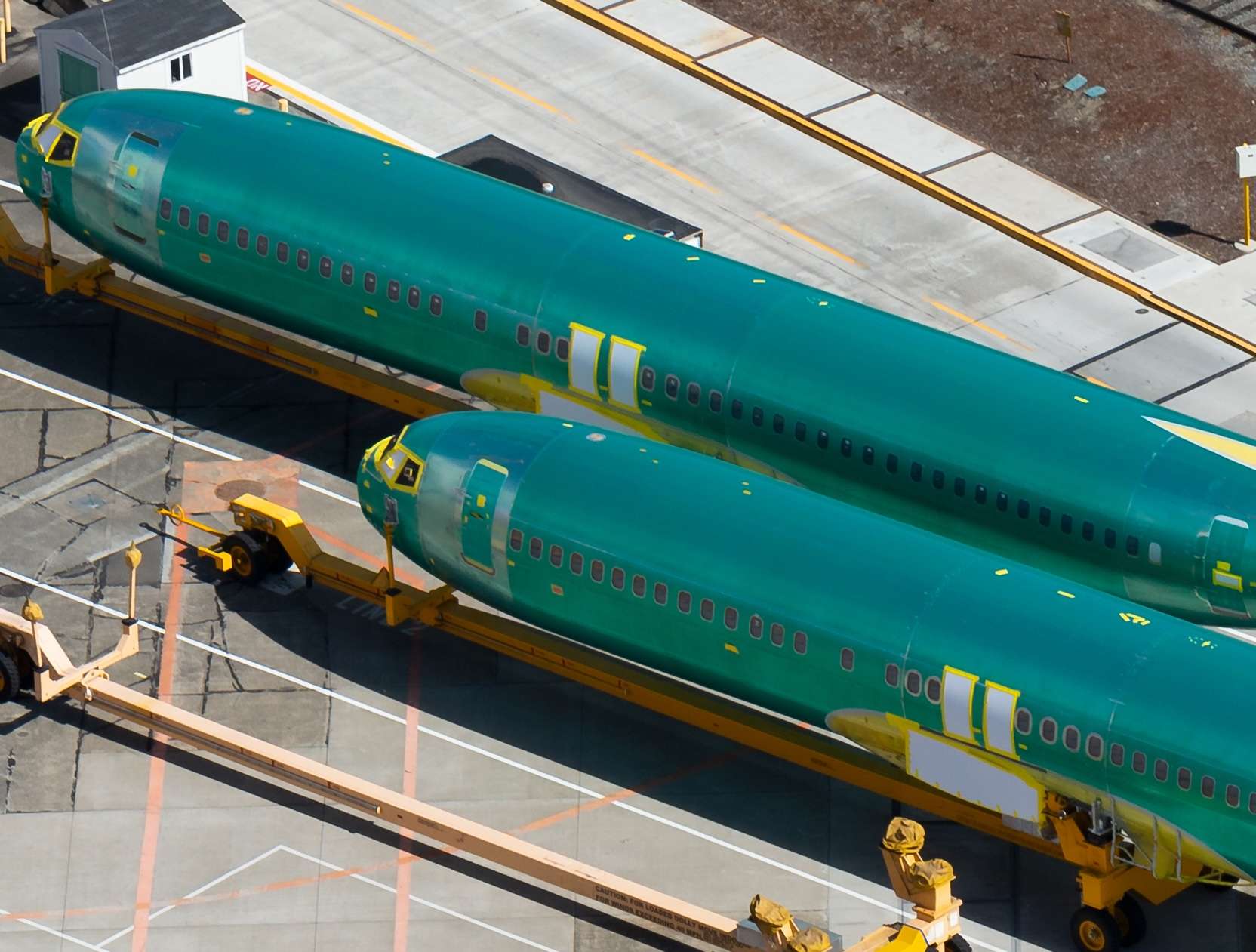
Boeing has at long last cleared another significant regulator hurdle involving its best-selling jet, the 737 MAX, on its pathway to recovery and higher production levels.
CEO Kelly Ortberg has confirmed that the planemaker has now completed a Federal Aviation Administration (FAA) review involving the quotas that will allow it to increase production to 47 units a month on the jet.
Boeing had previously been capped at 42 units, after being granted an increase from the previously imposed 38, which had been in place for around 18 months following the FAA’s barriers after an Alaska Airlines incident.
A Ramp Up To 47 Jets Per Month First
With a cap of 42 units per month for the 737 MAX, even with the progress Boeing has made, it’s still operating well below expectations and requirements, given the current backlog and order rates, with delivery slots snapped up into the 2030s.
However, the only way Boeing is going to be able to move past the 42 units per month is under the guidance of the FAA, and with each stage showing that it has made no sure a quick fix, but tangible cultural and ground work to lay the foundations for a sustainable future focused on safety over profits.

Now, Ortberg says that with the work that’s been done, the FAA has granted the clearance neccesary to increase the monthly rate by another five units. That said, the change isn’t expected to be overnight. The planemaker will take a few months to stabilise internally and with suppliers before comfortably reaching the 47 units per month, a measured approach that prioritises stability.
Ortberg, even with the small wait before there’s a visible increase, believes that the 47 will be attainable and neccesary, as it looks to respond to demand for its planes that’s only sharply rising, and to the backlog at its size after years of instability.
47 Is Nothing, 63 Is The Long-Term Goal
Alongside the planemaker confirming that it had achieved the steps neccesary to scale slowly towards the mid- to latter-year targets of 47 planes per month, there was an outline of the long-term goal.
Ortberg has set his sights now publicly on an ambition to be producing 63 737 MAX jets every single month, with this on the basis that the market will be able to absorb the higher production levels as jets like the 737-7 and 737-10 with order backlogs await their certification after years of delays.
However, reaching 63 MAX jets will not happen overnight; it’s more of a long-term target that, if achieved and, more importantly, sustained without quality hiccups, would show that the manufacturer’s recovery has made heavy strides in the right direction.

With a production tally of 63 per month in the 737 MAX program, the manufacturer would aim to ship just over 750 planes a year, give or take. However, the figure of 63 per month doesn’t necessarily mean that many aircraft types will be delivered regularly.
For airlines, they would be the big winners of scaled production increases, with higher MAX output ultimately resulting in delivery items coming down and existing inventory being shipped off after heavy delays, too. This facilitates growth that has long been planned but inaccessible due to constraints and the retirement of older, less efficient fleet types.

ABOUT THE AUTHOR
Daniel Fowkes is a Melbourne-based aviation analyst and journalist with over a decade of industry experience. As founder of Dj’s Aviation, he delivers trusted analysis on aircraft, airline strategy and global aviation trends for djsaviation.net
Related Articles




Stay Informed
Get the latest aviation news, analysis and route updates delivered to your inbox.
We respect your privacy. Unsubscribe at any time.
Enjoyed this story?
Make us your go-to for aviation news
Add us as a preferred source on Google and see our latest stories first in Top Stories.
Add Us On Your News FeedRelated articles
· Airlines
· Airbus A380
Would The Airbus A380 Work In India?
Bryan Shelmon
24/09/2026
· Aircraft
· Airbus
· Airlines
Airbus’ Forgotten A350-800 Order
Bryan Shelmon
24/09/2026
· Aircraft
· Airbus
· Routes
Airbus A321XLR Route Map: How One Jet Opens Thin Long-Haul Market
Bryan Shelmon
23/09/2026
· Analysis
· Airbus
· Aircraft
· Boeing
Airbus A350-1000 vs Boeing 777-9: The Next-Gen Widebody Matchup
Bryan Shelmon
22/09/2026