
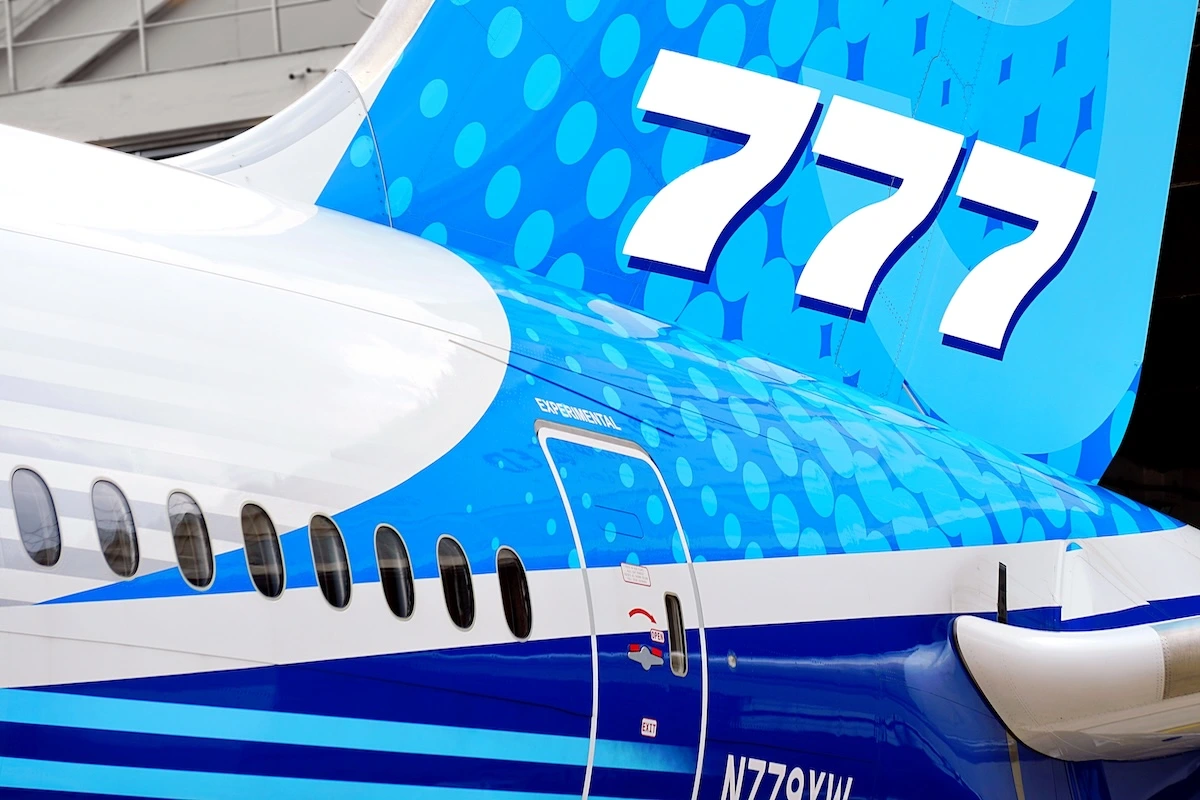
Boeing has finalised a trade deal with Indonesia that provides Americans with unprecedented market access and unlocks breakthroughs in manufacturing and more.
As part of the contract, cited in the White House press release, the procurement of approximately $13.5 billion in commercial aircraft and aviation-related goods from Boeing to overhaul airlines’ fleets.
The specifics of the deal remain under negotiation, as the United States Investment Minister Rosan Roselani said the long-discussed aircraft acquisition is still active, with plans to purchase 50 planes.
The prospective deal has also been hinged on Gardua Indonesia’s internal discussions to develop a network and fleet plan that is not only sustainable for the future but also achievable, with the deal being important for building in the 2030s and 2040s.
A New Era At Garuda Indonesia
A commitment to new Boeing planes, which will likely also include aircraft for the flag carrier Garuda Indonesia, comes after years of heightened turbulence.
The revised focus on the business is on its ability to be profitable in the long term and to enjoy sustained periods of growth in a competitive field where, from its home region and neighbouring airlines, competitors look to swoop for market share.

A $1.4 billion capital injection received across November 2025 from Danone Indonesia, a sovereign wealth fund, was crucial to recovery efforts but also came with a catch.
While the investment is crucial, it is deemed internally to be $400 million short of the initial expectation, with the hoped-for first figure being $1.8 billion. However, the cut to the cash injection has hurt the mainline division and Citilink as well.
With Garuda Indonesia planning to scale its fleet to over 150 planes in the coming years after years of instability, the business needs cash injections to fuel jet acquisitions as programs sell out and new-plane deliveries continue to balloon.
Boeing Continues To Beat Airbus?
Boeing beating Airbus to a new commercial aircraft contract in Indonesia is directly tied to the persistent trade deals the United States has been signing over the last 12 or so years.
Under the Agreement on Reciprocal Trade, Jakarta has committed to 50 Boeing aircraft in exchange for a far lower 19% US traffic rate, tying the trade move to the requirement for more planes and taking advantage of the agreement.
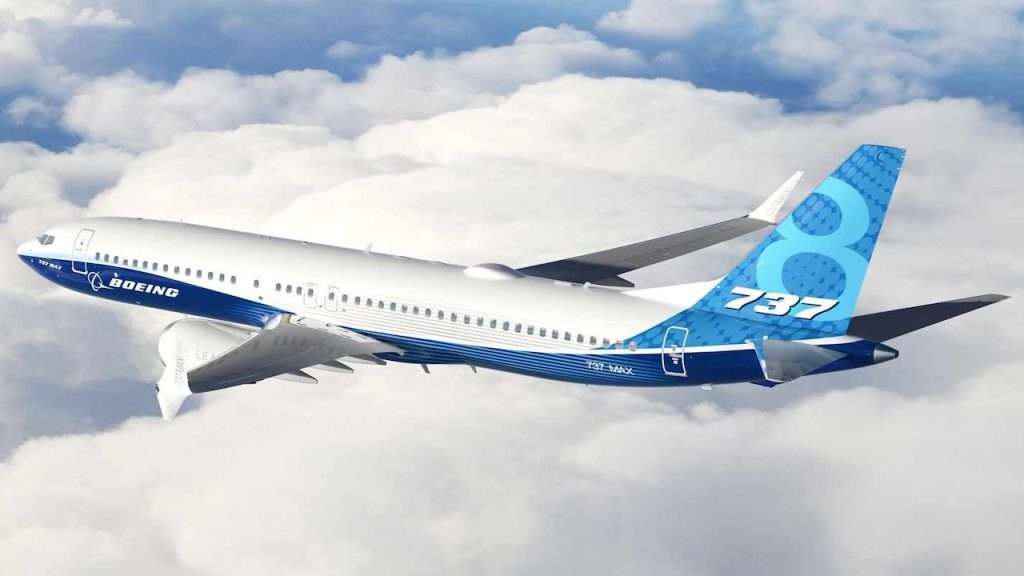
For Airbus, this is another frustrating reminder of what political access and the continued political tensions that impact the world can do to new aircraft signings.
The European manufacturing sector has been outspoken on more than one occasion about how these developments have seen it edged out of transactions despite its order being put forward as one of the better options, but trade ties dictate the final result.
This, among other reasons, is why Boeing was positioned to overtake Airbus in gross commercial aircraft orders across 2025 for the first time in years and end Airbus’s dominance.

ABOUT THE AUTHOR
Daniel Fowkes is a Melbourne-based aviation analyst and journalist with over a decade of industry experience. As founder of Dj’s Aviation, he delivers trusted analysis on aircraft, airline strategy and global aviation trends for djsaviation.net
Related Articles



Stay Informed
Get the latest aviation news, analysis and route updates delivered to your inbox.
We respect your privacy. Unsubscribe at any time.
Enjoyed this story?
Make us your go-to for aviation news
Add us as a preferred source on Google and see our latest stories first in Top Stories.
Add Us On Your News Feed