

Boeing aims to deliver 500 737-family aircraft in 2026, a 12% increase from 2025.
As pressure rises on the planemaker to stabilise its financials, work through an ever-growing backlog and meet customers’ capacity requirements by 2026, it is shaping up to be another critical year for Boeing in its recovery.
However, its target hinges on the ability to raise production rates, an approval that can only be granted by the FAA, which is reviewing the business practices, making for a big 12 months ahead.
Boeing’s 500 Jet Goal A Key Increase
As part of 2026 forecasting, Boeing provided greater detail on its 737 plans, with a target delivery of 500 units in 2026, aligned with planned production ramp-ups and expected certification timelines.
If Boeing can hit this figure, a 12% increase from 2025, it would represent further stability across the planemaker’s operations after years of extreme turbulence.
Additionally, within the 737 family, primary cash generation is crucial to driving the business turnaround and restoring its financial position, which has been a strong focus in recent times given the poor performance.
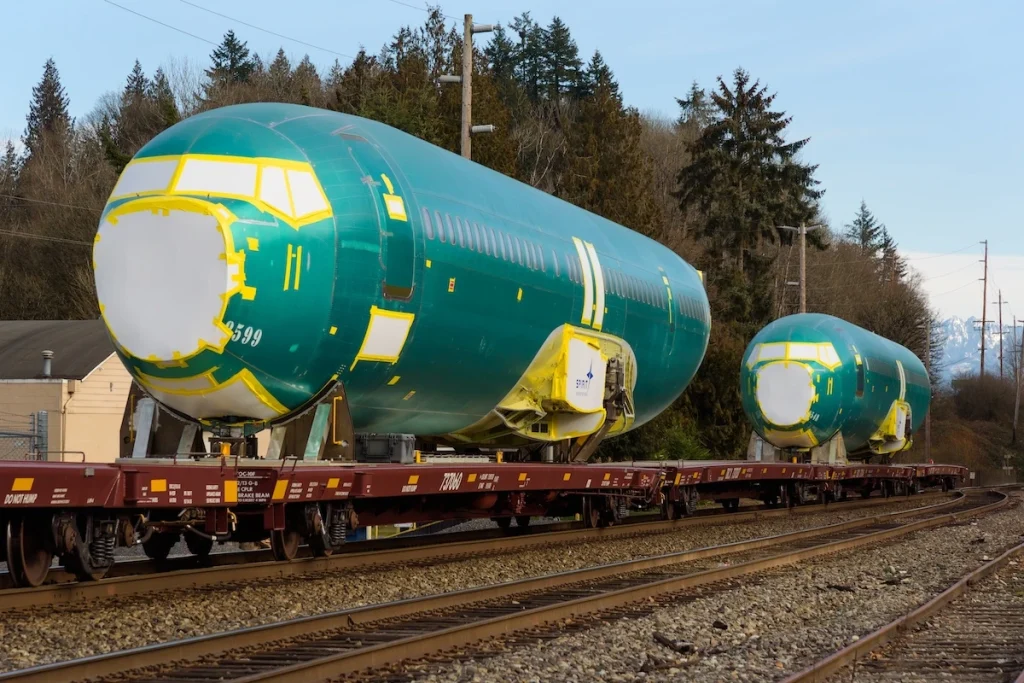
Some analysts remain sceptical about whether Boeing will be able to achieve this, with much of the success resting on the business’s ability to ramp monthly production rates smoothly, both from a quality standpoint and with suppliers.
Overall, beyond the single-aisle program, Boeing expects new aircraft deliveries across all programs to increase by around 10%, aided by higher 787 output.
A Long Road To Recovery For Boeing
For Boeing to be able to achieve a figure of 500 737 family jet deliveries in 2026, much has to go right. Still, the planemaker has already been working behind the scenes intently to make this a reality.
The business has already been working with suppliers to prepare for the increases and is in close communication with the FAA regarding potential future production increases.
Boeing, towards the end of 2025, was finally able to lift monthly output rates to 42 units, this up from 38, which the FAA had capped the planemaker at for more than 18 months.
The road to recovery hasn’t been easy for Boeing, nor is it complete. Lion Air and Ethiopian Airlines’ 737 MAX fatal accidents at the end of the 2010s were tragic; subsequent investigations revealed darker secrets about the MAX model’s origins.
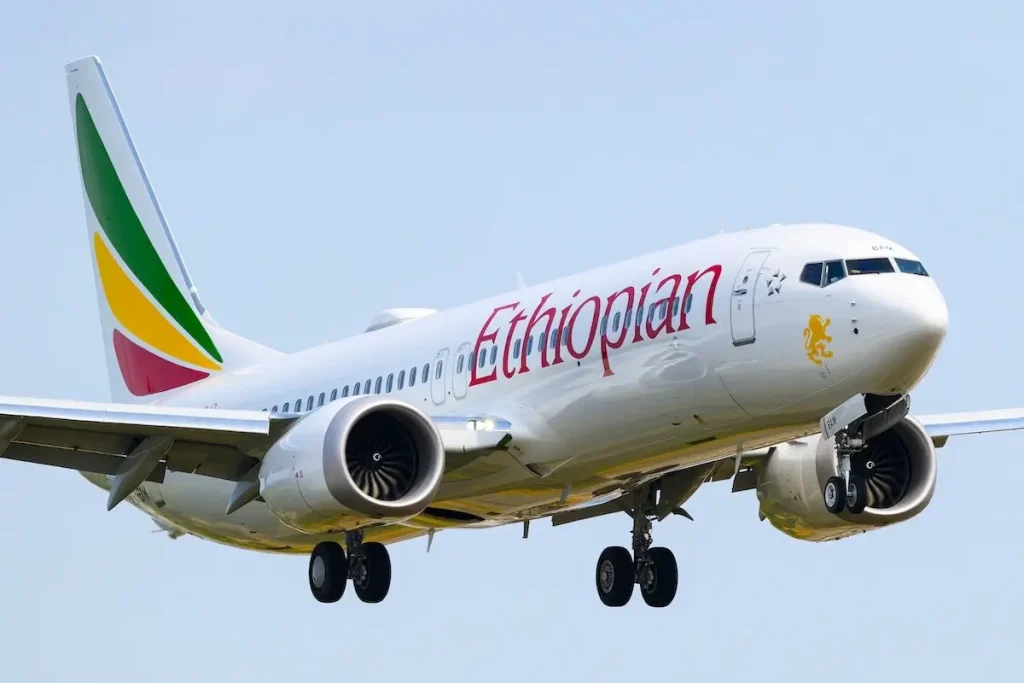
Those secrets revealed priorities focused on profits rather than safety and quality, in a race to compete with the emerging A320neo at launch, where, as a result, fundamental safety flaws crept into the program to secure certification sooner rather than later.
Boeing has been working to rebuild from this, placing greater emphasis on culture and on repairing it to create a more stable future, through not just training but also investments; these investments and their success are directly linked to the FAA permitting production rate increases across the 737 MAX.
Bottom Line: Turnaround Efforts Continue
Boeing’s road to recovery is long and incomplete, but the bid to continue increasing 737 MAX production rates and, in turn, annual deliveries is an essential step in the turnaround.
2026 will be another pivotal year for the program, as it pursues certification of the two remaining, long-delayed variants of the 737 MAX 7 and 737 MAX 10. These highly touted models have customers waiting patiently, and, if cleared for delivery, will already help monthly output rates.

ABOUT THE AUTHOR
Daniel Fowkes is a Melbourne-based aviation analyst and journalist with over a decade of industry experience. As founder of Dj’s Aviation, he delivers trusted analysis on aircraft, airline strategy and global aviation trends for djsaviation.net
Related Articles




Stay Informed
Get the latest aviation news, analysis and route updates delivered to your inbox.
We respect your privacy. Unsubscribe at any time.
Enjoyed this story?
Make us your go-to for aviation news
Add us as a preferred source on Google and see our latest stories first in Top Stories.
Add Us On Your News Feed