

Following the events of Air India flight AI171, the Indian government is now inspecting all Boeing 787 Dreamliners.
The fatal crash, and the first fatal one involving the 787 series since its introduction, claimed the lives of at least 270 people, both from the plane and the building that the jet impacted.
As part of the latest order, which arrived in the late hours of Friday, the country’s regulator confirmed that Air India should conduct significant checks on its Boeing 787 fleet.
The inspections are scheduled to occur in response to the crash and will focus on several areas that have been identified as a cause for concern and have been a leading focus of the investigation.
The Indian regulator’s confirmation involves the processes surrounding the takeoff parameters, especially the engine control systems, fuel-related systems, and the associated checks.
In a briefing in New Delhi, the orders were for 34 Dreamliners to be added to the country’s fleet with a matter of urgency, to maintain the highest safety standards in the wake of the tragic circumstances that occurred on flight AI171.
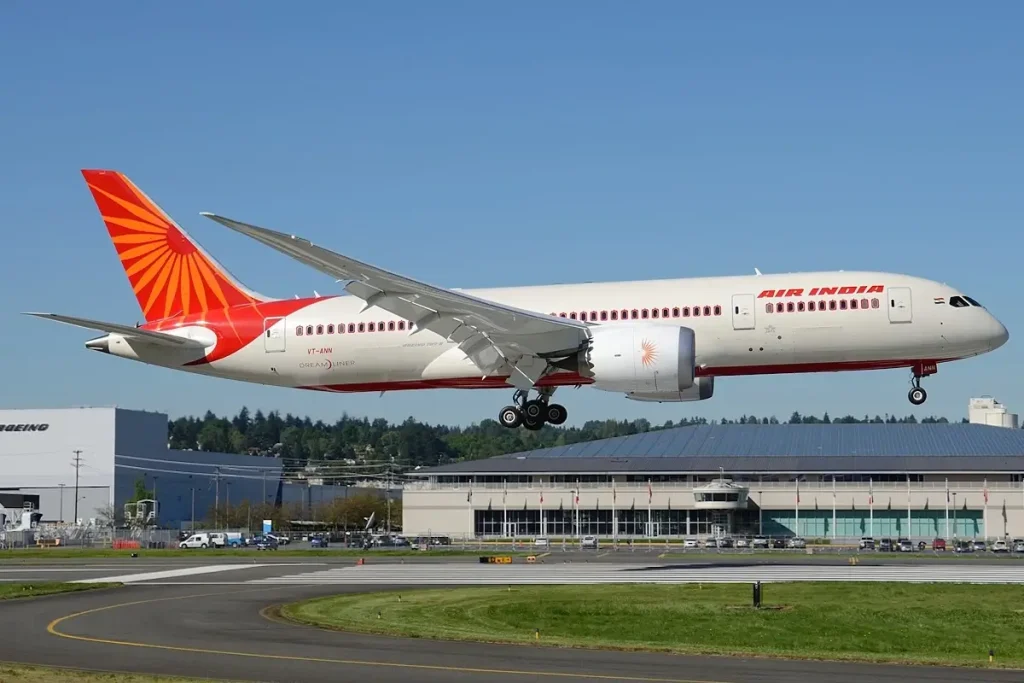
Given the recent nature of the accident and the limited information currently available, a thorough investigation must be conducted before a definitive cause can be determined. As a result, all work taking place is precautionary to ensure the fleet is maintained.
More Details On The 787 Crash
The Boeing 787-8 involved in the accident was operating a routine scheduled flight from Ahmedabad to London Gatwick.
However, shortly after departure, the aircraft struggled to gain altitude and subsequently crashed just moments after taking off.
The first flight of the Boeing 787-8 involved in the accident took place on December 14, 2013, with delivery to Air India on January 28, 2014. When the plane went down, it was 11 years and 6 months old.
Available flight data shows the type involved was VT-ANB, a 787-8 with a serial number of 36279. This particular aircraft had completed more than 41,000 hours of flight time and almost 8,000 takeoffs and landings, per Cirium.
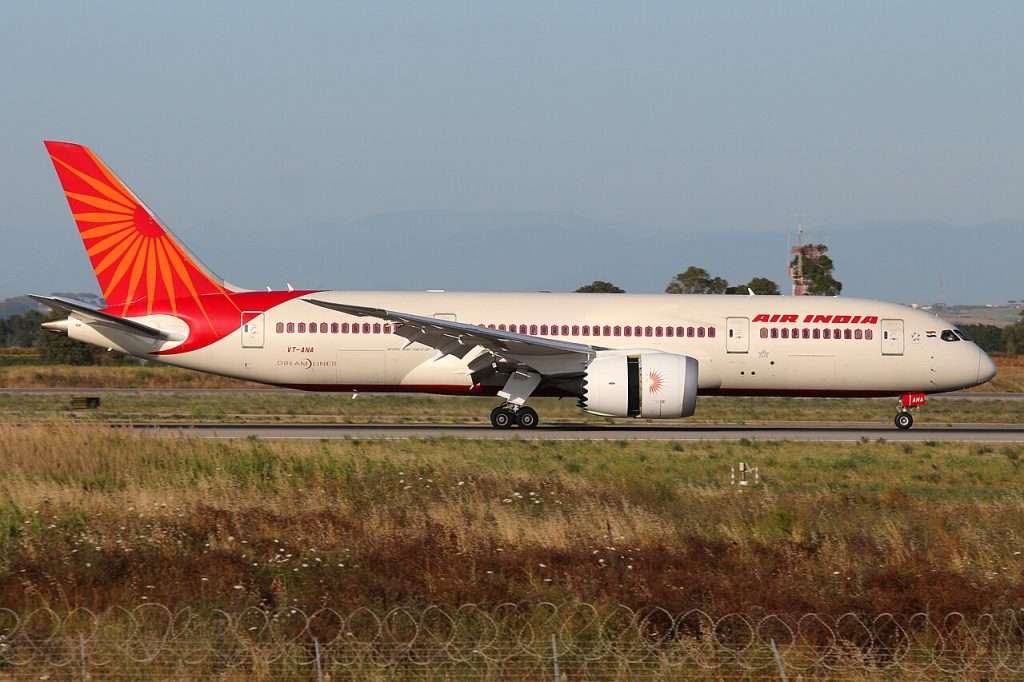
Additionally, data shows there were 700 cycles in the past 12 months; this figure is the average for this aircraft build. This is especially true when factoring in when the jet was first delivered.
According to local media, the crash site was the hostel of BJ Medical College, located in a residential area, and the incident occurred during lunchtime.
In a miracle, aboard the aircraft, there was a sole survivor, a British national of Indian origin. However, the other 241 crew and passengers did not make it, alongside those who were on the ground at the time.
Speaking to the Hindustan Times, the passenger, identified as Vishwash Kumar Ramesh, stated that a loud noise was heard after the plane departed, and then it crashed, adding, “It all happened so quickly.”

ABOUT THE AUTHOR
Daniel Fowkes is a Melbourne-based aviation analyst and journalist with over a decade of industry experience. As founder of Dj’s Aviation, he delivers trusted analysis on aircraft, airline strategy and global aviation trends for djsaviation.net
Related Articles




Stay Informed
Get the latest aviation news, analysis and route updates delivered to your inbox.
We respect your privacy. Unsubscribe at any time.
Enjoyed this story?
Make us your go-to for aviation news
Add us as a preferred source on Google and see our latest stories first in Top Stories.
Add Us On Your News Feed