
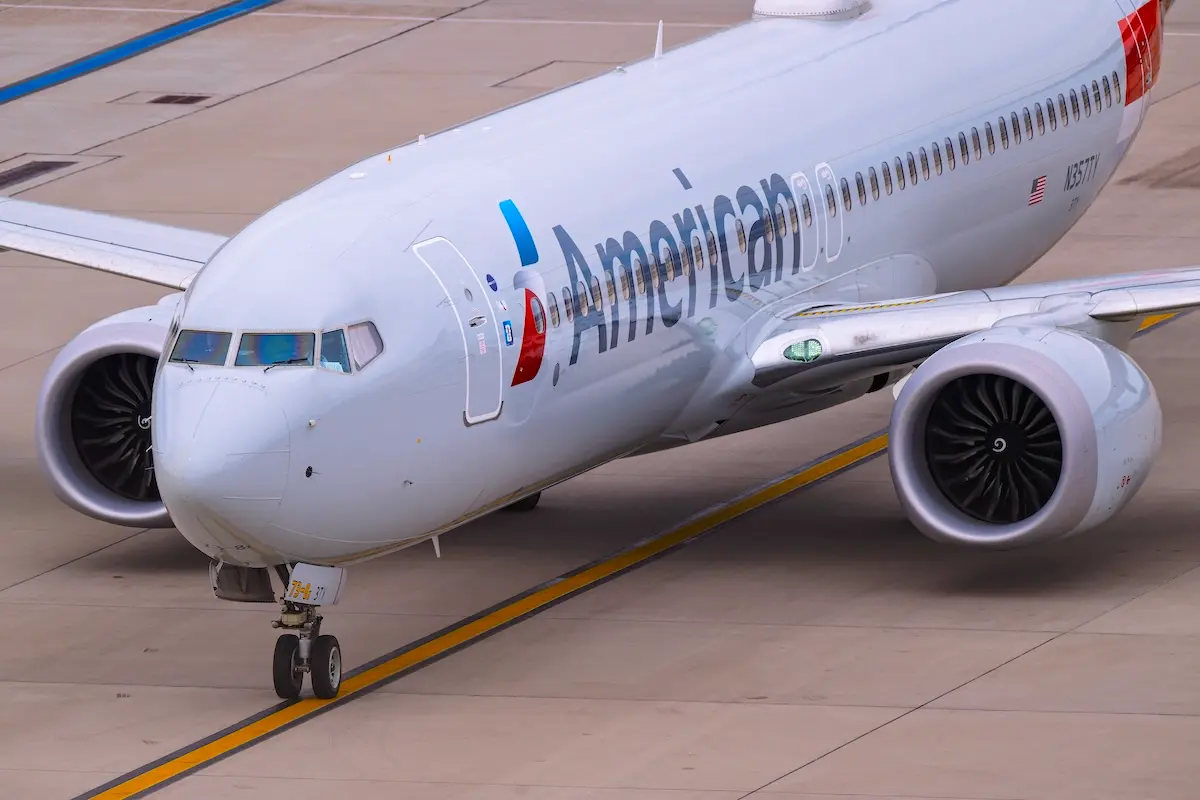
American Airlines is making a major change to its cabins by reversing a decade-old strategy, bringing seatback entertainment back to its narrowbody fleet.
With seatback entertainment returning, the airline has also confirmed it will expand premium seating to close the gap with competitors Delta Air Lines and United Airlines, while improving earnings and profitability.
American Airlines plans to fit more than 800 of its narrowbody aircraft with seatback screens in one of the largest single-cabin refurbishment strategies to date, with retrofits to begin in 2028 and work completed by the early 2030s.
New Airbus and Boeing narrowbody aircraft expected to be delivered from 2028 onward will come fitted with the systems, eliminating the need to retrofit factory-fresh aircraft.
The change is significant for the U.S. carrier, as the airline removed seatback entertainment screens across its domestic fleet for a decade as part of a strategic shift. During that time, American Airlines wanted passengers to stream on their own devices via Wi-Fi.
American Airlines Brings Back Seatback Screens
American Airlines’ revised approach reflects its response to a shift in the U.S. market. Based on its analysis, seatback screens have become more important to customers and have differentiated, for instance, Delta’s domestic and short-haul services.
United Airlines has also committed to screens for its future narrowbody deliveries, and with American Airlines having fallen behind its two competitors, upper management is making these investments to give it the best chance of long-term recovery and profitability.
The airline said that, as customer preferences evolve, especially among younger travellers, larger shared screens and personal device options have both increased in popularity. Its research found that relying solely on a personal device was less popular.
Improved satellite connectivity over the last decade has also enabled personalised experiences and device connectivity. Further investments in technology will open the door for seatback entertainment screens to extend beyond a pre-configured media player.
While American Airlines already operates aircraft with seatback screens, the retrofit programme aims to cover the vast majority of narrowbodies in its single-aisle fleet without seatback entertainment. The undertaking will be significant, with downtime, certification work, and high costs and resource demands, and it will span several years.
Premium Seating Is Also Vital to the Turnaround
American Airlines’ reversal on seatback entertainment screens on its narrowbody fleet is one of many components of recently announced initiatives to reduce the gap between the U.S. carrier and its competitors.
The larger and more immediate change is the planned increase in premium capacity. American Airlines has confirmed that premium seating will increase to around 40% of seats across narrowbody departures in the coming years, up from 25% in 2026.
These additional seats, American Airlines says, will include more domestic first-class seats and Main Cabin Extra seats, which provide not just additional legroom but other base-cabin benefits. Executives and analysts say the logic behind the decision is clear.
Premium travellers at American Airlines account for a large share of its ticket revenue, nearly half during the second quarter, despite accounting for less than one-third of seats. By increasing the share of premium seats, if demand supports it, American Airlines can sell them at higher fares and pair them with new loyalty benefits.
For American Airlines, which has struggled to manage rising operating costs with record revenues, premium seating offers a larger opportunity to grow revenue per departure without raising economy fares to cover outgoings.
American Airlines’ decision on premium seating is not isolated; its investment follows a broader shift among U.S. airlines. Delta and United are also dedicating a greater share of their cabins to premium seating while further investing in airport lounges and loyalty programmes.
To avoid lagging behind rivals in financial performance and customer satisfaction, American Airlines must keep closing the gap. Its chief executive, Robert Isom, acknowledges the meaningful gap between it and its competitors, and now it is about making the right choices to ensure a profitable and sustainable future.

ABOUT THE AUTHOR
Daniel Fowkes is a Melbourne-based aviation analyst and journalist with over a decade of industry experience. As founder of Dj’s Aviation, he delivers trusted analysis on aircraft, airline strategy and global aviation trends for djsaviation.net
Related Articles




Stay Informed
Get the latest aviation news, analysis and route updates delivered to your inbox.
We respect your privacy. Unsubscribe at any time.
Enjoyed this story?
Make us your go-to for aviation news
Add us as a preferred source on Google and see our latest stories first in Top Stories.
Add Us On Your News FeedRelated articles
· Airlines
Allegiant Air Buys Six More 737-8s From Boeing
Daniel Fowkes
26/10/2026
· Airlines
Emirates vs Qatar Airways: The Gulf Superhub Rivalry Compared
Bryan Shelmon
26/10/2026
· Airlines
Riyadh Air Is Moving Away From Riyadh
Daniel Fowkes
26/10/2026
· Airlines
Emirates Isn’t Worried At All
Daniel Fowkes
25/10/2026